

AI CERTS
2 hours ago
Consumer Ordering Automation: Swiggy Opens Chatbot Food Ordering
Instead, any compliant Bot handles the conversation, builds the cart, and confirms payment through secure handshakes. This shift exemplifies Consumer Ordering Automation, a trend redefining digital commerce. Professionals tracking retail technology must understand the mechanics, benefits, and emerging risks.
Moreover, the announcement arrives as quick-commerce volumes soar across India. Instamart alone exposes more than 40,000 SKUs through the new interface. Therefore, scale, convenience, and data converge, giving Consumer Ordering Automation fresh momentum. This article dives into technical details, business metrics, security concerns, and strategic implications.
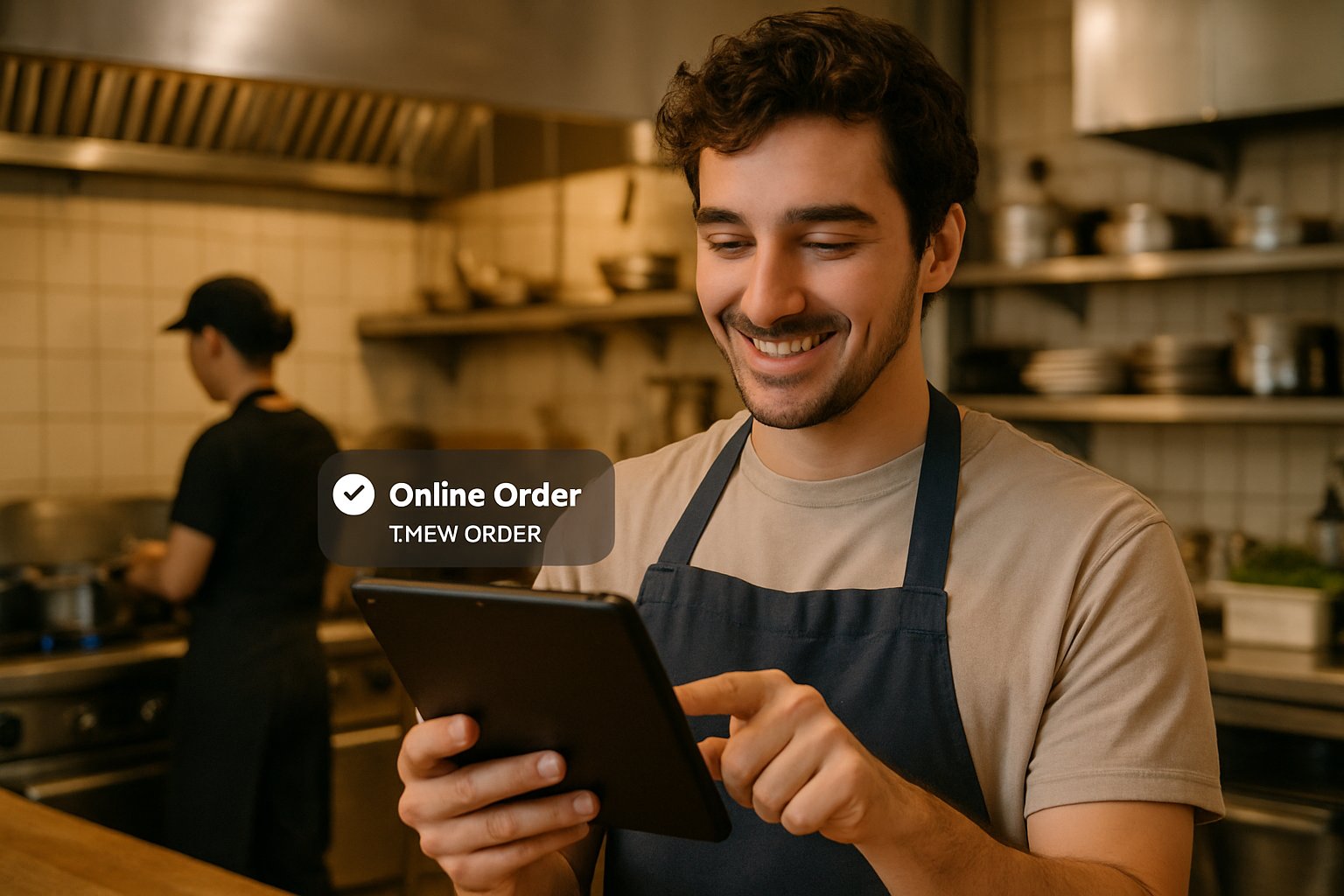
MCP Integration Core Details
Firstly, MCP treats every service as a set of Resources and Tools described in JSON. Agents such as ChatGPT retrieve menus or inventory through resource calls. Subsequently, they invoke tool endpoints to add items, apply offers, and trigger checkout. The Swiggy MCP server supports three verticals: Food delivery, Instamart, and Dineout.
Authentication relies on OAuth-style tokens issued by Swiggy when users link accounts. Nevertheless, assistants never receive raw card details; tokens abstract sensitive data. This design reduces friction while preserving compliance, thus advancing Consumer Ordering Automation further.
Protocol Mechanics Deep Overview
- Assistant sends item queries to /resources and receives structured results.
- Bot builds a cart with addItem tool calls and applies best coupons automatically.
- ChatGPT requests checkout, passing tokenised address and payment identifiers.
- Swiggy responds with live status updates over server-sent events.
These steps illustrate low-latency orchestration. Consequently, developers can replicate similar flows for other commerce domains.
The streamlined sequence underpins later opportunities. Meanwhile, users enjoy near-invisible order placement.
Operational User Flow Steps
Consider a home cook planning Thai curry. A simple prompt like “Order ingredients for four” triggers catalog discovery. Furthermore, the Bot compares brands, selects cost-effective packs, and populates an Instamart cart. A confirmation message summarises price, delivery window, and applied discounts.
In contrast, dining out starts with “Book a table at 8 pm”. The agent checks Dineout availability, suggests nearby venues, and reserves a slot once approved. Consequently, the user experiences Consumer Ordering Automation without navigating multiple pages.
Every flow ends with live tracking updates. Therefore, engagement shifts from tapping icons to conversational reassurance. This human-like loop nurtures loyalty and repeat behaviour.
The smooth process emphasises convenience. However, deeper business metrics reveal the strategic payoff ahead.
Business Impact Metrics Review
Swiggy reported 101 percent year-on-year Gross Order Value growth for Instamart in Q4 FY2025. Additionally, the average order reached ₹527, showing rising basket sizes. Analysts expect further uplift as carts become Bot-optimised.
Moreover, the integration exposes Swiggy to ChatGPT, Gemini, Claude, and other assistants that command massive daily traffic. Consequently, acquisition costs may fall because intent now originates inside third-party surfaces. This shift reinforces Consumer Ordering Automation as a revenue catalyst.
Key projected benefits include:
- Higher order frequency through saved shopping lists and quick reorders.
- Improved coupon utilisation, boosting perceived value without compressing margins.
- Broader geographic reach among first-time digital grocery shoppers.
These numbers highlight tangible upside. Nevertheless, rising traffic also magnifies operational risk, which demands proactive defence.
Mitigating threats therefore becomes paramount before scale accelerates further.
Security And Privacy Issues
Researchers uncovered several MCP vulnerabilities in late 2025. Anthropic patched server logic injection flaws and strengthened schema validation. However, expanded attack surfaces persist because transactional APIs now sit behind natural language prompts.
Unauthorized order placement, payment abuse, or data leaks could erode trust quickly. Consequently, Swiggy deploys scope-limited tokens, rate limits, and real-time anomaly detection. Furthermore, user permissions clearly list accessible actions during connector onboarding, reducing confusion.
Professionals can enhance their expertise with the AI Customer Service™ certification. The program covers conversational risk patterns, helping teams fortify Consumer Ordering Automation deployments.
Stronger defences safeguard user confidence. Meanwhile, competitive pressures continue to intensify across the segment.
Competitive Market Landscape Shifts
Zomato, Blinkit, and Zepto currently test internal agent frameworks. Nevertheless, none have public MCP endpoints yet. Therefore, Swiggy holds an early-mover advantage, building data moats around Bot-generated intent.
Open protocols also lower switching barriers. In contrast to proprietary SDKs, MCP allows rivals to integrate without licensing fees. Consequently, future differentiation will depend on catalog breadth, delivery reliability, and loyalty programs rather than raw connectivity.
The race will likely spur further Consumer Ordering Automation breakthroughs. Additionally, regulators may revisit liability norms when autonomous agents execute payments.
Competitive momentum clarifies urgency for robust rollouts. Subsequently, practitioners seek concrete guidance for implementation.
Practical Implementation Guidance Checklist
Technical leads planning MCP pilots should follow structured stages. Firstly, audit internal APIs for idempotency and clear error codes. Secondly, publish minimal-needed resources, then iteratively expand coverage. Moreover, embed observability hooks to trace each Bot action.
Stakeholders should also prepare customer support scripts. In contrast to app flows, conversational errors surface different pain points. Therefore, align help-desk dashboards with agent telemetry to diagnose issues fast.
Finally, measure outcomes using A/B experiments. Track cart creation time, coupon redemption, and net promoter score. These metrics validate whether Consumer Ordering Automation truly drives incremental value.
Following disciplined steps minimises surprises. Consequently, teams accelerate learning cycles and avoid expensive rework.
Future Outlook And Scenarios
Analysts predict agentic commerce will represent 20 percent of digital orders within three years. Furthermore, voice-first interactions could dominate rural onboarding where app literacy lags. Swiggy’s early bet positions it to influence standards, tooling, and best practices.
However, governance debates will intensify around data sovereignty, refund handling, and dark-pattern avoidance. Industry working groups, including the Agentic AI Foundation, already draft shared guidelines. Therefore, collaboration may tame fragmentation while letting Consumer Ordering Automation flourish.
Securing sustained trust remains the decisive variable. Nevertheless, continuous protocol hardening and transparent audits can uphold confidence among regulators and users alike.
Upcoming milestones warrant close scrutiny. Meanwhile, engineers prepare for rapid feature iterations driven by real-world feedback.
In summary, Swiggy’s MCP rollout unlocks powerful new channels, tighter personalisation, and larger baskets. Moreover, security controls and open standards prove critical to safeguard adoption. Consumer Ordering Automation now moves from concept to daily reality across India. Professionals should monitor metrics, refine defences, and seize emerging opportunities. Explore certifications, share insights, and lead the next retail transformation wave.


