

AI CERTS
2 hours ago
Confer Debut Unveils Privacy-First AI Chat Platform
Moxie Marlinspike, the cryptographer behind Signal, has returned with a bold mission. Consequently, he launched Confer, an end-to-end encrypted assistant that processes conversations inside hardware enclaves. This blend of secure messaging roots and large language models positions the service as a leading example of Privacy-First AI. Moreover, early reports suggest business users are eager for confidential brainstorming without fear of data mining.
Public access began in December 2025, and mainstream coverage followed weeks later. Meanwhile, executives assessing generative Chatbots see rising regulatory pressure around data retention. Therefore, Confer’s technical architecture deserves close examination.
Market Needs Grow
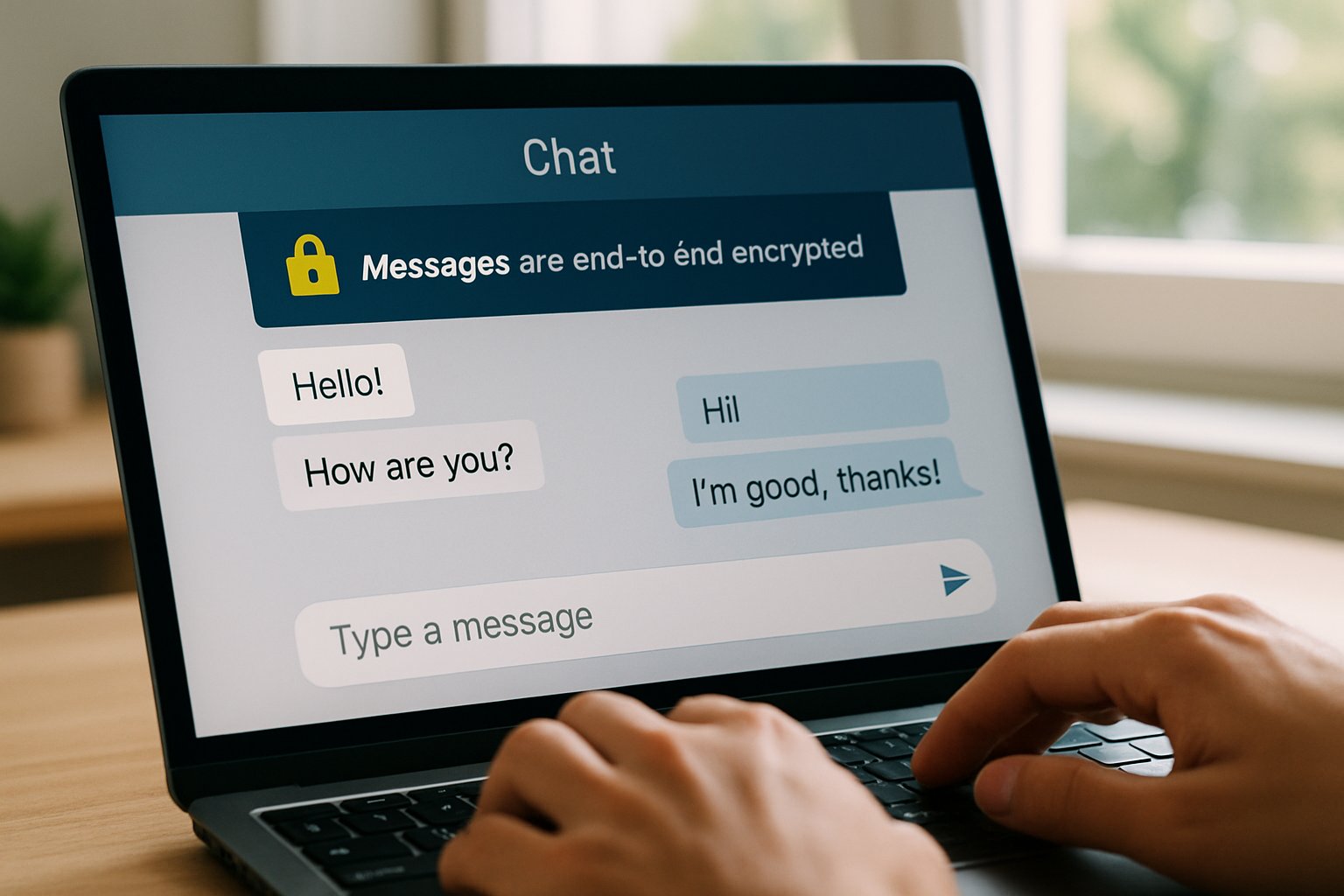
Generative Chatbots now inhabit boardrooms, help desks, and product pipelines. However, many deployments still funnel prompts into centralized clouds that can foster Data Leakage. In contrast, compliance teams demand tighter proof of confidentiality. Consequently, Marlinspike framed chat interfaces as “a medium that actively invites confession.” That warning resonates across sectors seeking another layer of assurance. Enterprises hope one platform can pair creative language output with verifiable secrecy. Privacy-First AI appears tailor-made for that requirement.
These market forces explain Confer’s timing. Nevertheless, user enthusiasm remains tempered by doubts about new cryptographic stacks. The next section unpacks how the system aims to deliver.
Confer’s Core Design
Confer encrypts every message on the client using passkeys derived through the WebAuthn PRF extension. Subsequently, ciphertext travels to a server-side Trusted Execution Environment where inference occurs. Remote attestation proves the enclave’s code before any decryption. Furthermore, only those attested binaries can access session keys. This workflow exemplifies Privacy-First AI in practice while leveraging familiar authentication standards.
The company claims chats never train future models, limiting potential Data Leakage vectors. Additionally, open-weight models inside the enclave allow external auditing, although exact model names remain undisclosed. These architectural choices echo lessons Marlinspike learned while building Signal.
The design sounds robust. However, encryption lives or dies by technical nuance, so a deeper dive helps.
Encryption Under Hood
At a cryptographic level, Confer combines client-side symmetric encryption with server-side confidential computing. Moreover, the hardware TEE—such as AMD SEV-SNP or Intel TDX—isolates runtime memory from cloud operators. Consequently, operators cannot view plaintext or keys.
Key material originates from browser passkeys. In contrast to seed phrases, passkeys sync across devices through platform vendors. Therefore, onboarding feels like an ordinary login instead of a crypto hurdle. Privacy-First AI gains adoption when friction stays low.
Independent researchers, however, note TEEs face side-channel attacks and attestation centralization risks. Nevertheless, Confer publishes enclave hashes, inviting outside validation.
- 20 daily messages in the free tier rely on a “base” model estimated at 13 B parameters.
- Paid users receive unlimited chats and “advanced” personalization for roughly $35 monthly.
- All tiers share identical encryption guarantees, limiting Data Leakage regardless of spend.
These technical safeguards impress security professionals. However, platform compatibility poses another hurdle, as the next section shows.
Platform Support Limits
WebAuthn passkey PRF support remains strongest on recent iOS, macOS, Android, and Chromium browsers. Consequently, Windows or Linux desktops often require third-party authenticators. Moreover, some corporate fleets disable passkey storage, complicating rollout.
Remote workers also face varied hardware enclave access depending on cloud region. Nevertheless, Confer promises gradual expansion as vendor ecosystems mature. For organizations prioritizing Privacy-First AI, testing device fleets early is prudent.
Hardware gaps aside, cost still influences procurement. Pricing clarity follows.
Pricing And Tiers
Confer adopts a freemium model familiar to SaaS buyers. Free usage includes five simultaneous chats and twenty daily messages. Additionally, subscribers pay $34.99 each month for unlimited prompts, faster inference, and upcoming enterprise controls.
Marlinspike argues the fee offsets confidential hardware overhead. Meanwhile, mainstream Chatbots financed by advertising risk Data Leakage threats. Enterprises weighing budgets against regulatory fines may consider the premium worth paying. Privacy-First AI therefore shifts the cost equation toward security investment.
These numbers establish baseline business models. However, drawbacks merit balanced attention.
Weighing Key Tradeoffs
Security researchers praise the Signal alumnus for transparency. Nevertheless, “end-to-TEE” is not device-only encryption. Attackers could exploit micro-architectural leaks or compromise attestation servers. Furthermore, reliance on chip vendors introduces jurisdictional exposure if governments pressure hardware makers.
Model quality also lags behind proprietary giants in some creative tasks. Consequently, early testers reported occasional factual drift. Moreover, confidential computing inflates latency compared with conventional serving pipelines. Still, many users value assurance over speed. In contrast, Chatbots without enclave protection remain vulnerable to accidental training spills.
Professionals can deepen their understanding through the AI Prompt Engineer Essentials™ certification. The coursework spotlights secure prompt design, reinforcing Privacy-First AI principles while mitigating Data Leakage.
These considerations illustrate realistic expectations. The final section assesses future directions.
Strategic Outlook Ahead
Marlinspike plans to open-source enclave code and publish reproducible builds. Moreover, he invites third-party audits to strengthen confidence. Consequently, Confer could catalyze a broader confidential computing movement within Chatbots.
Enterprise adoption depends on continued platform support, price stability, and verifiable resilience. Nevertheless, an expanding threat landscape keeps demand high for Privacy-First AI solutions. Partnerships with cloud vendors may further cut latency and cost, positioning the service for mainstream traction.
These projections highlight growth pathways. However, only transparent engineering will convert curiosity into durable trust.
Confer places cryptographic rigor at the heart of conversational technology. Moreover, its hardware-backed model reduces Data Leakage risks while honoring user autonomy. Regulatory momentum, rising consumer awareness, and industry fatigue with surveillance capitalism all favor this trajectory. Consequently, companies exploring secure Chatbots should pilot the platform, evaluate device compatibility, and pursue relevant certifications. Finally, safeguard your innovation pipelines by championing Privacy-First AI today.


