

AI CERTS
2 hours ago
Compute Scaling Drives OpenAI Stargate Megacenters
Compute Scaling Roadmap Overview
OpenAI unveiled Stargate on 21 January 2025. The initiative targets roughly 10 GW of fresh AI capacity, equal to several million GPUs. Furthermore, an immediate $100 billion tranche was promised to launch construction. This bold roadmap illustrates the scale that modern Compute Scaling requires. Nevertheless, reporters noted that only parts of the Abilene, Texas site are currently online. Subsequent updates increased announced capacity to nearly 7 GW, yet definitive contracts still lag the rhetoric.
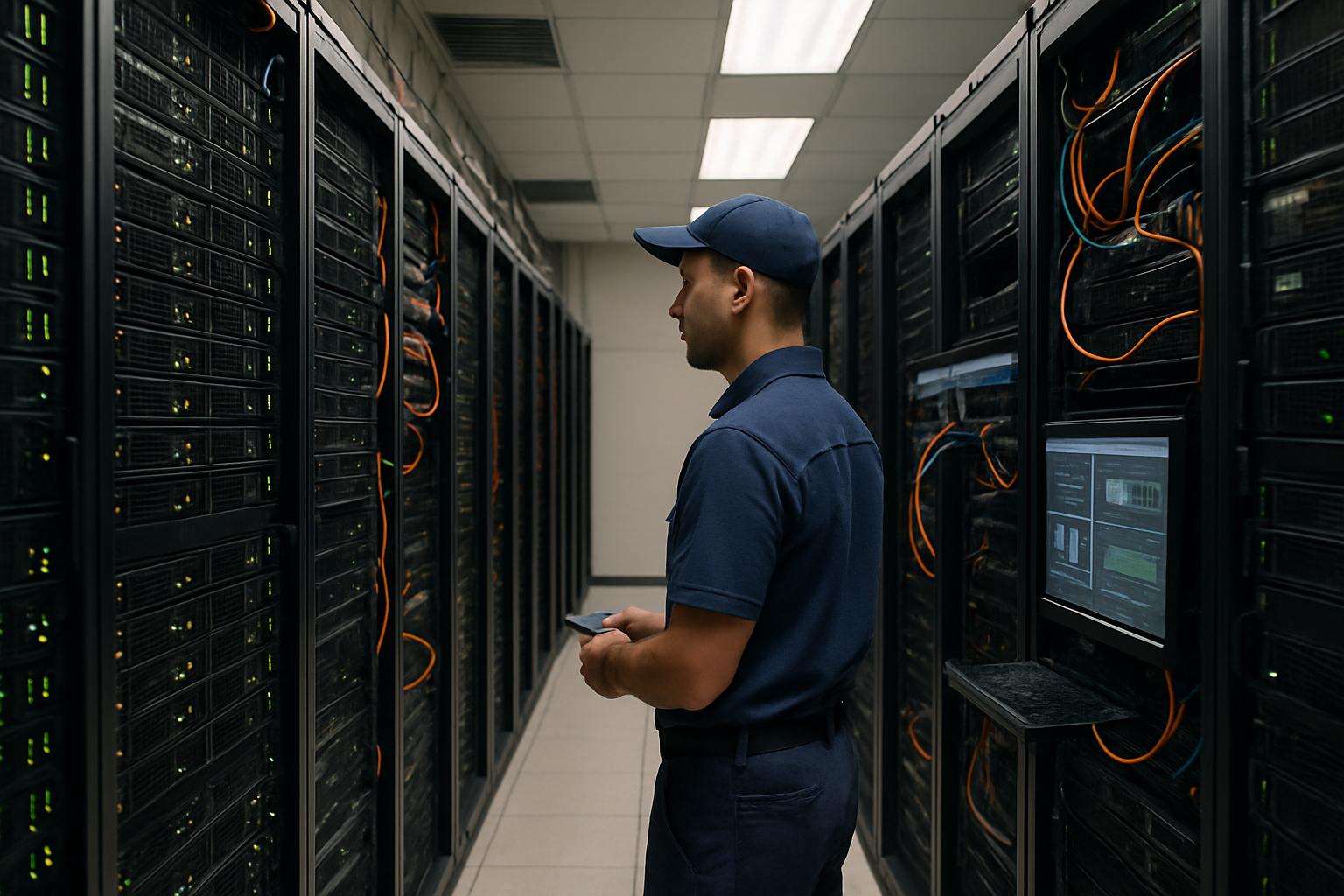
These milestones sketch impressive ambition. Nevertheless, actual megawatts delivered will determine impact. Therefore, sustained capital deployment and rapid site permitting must accelerate.
Hardware Demand Forecasting Trends
Stargate partners reference more than two million accelerator chips. Additionally, NVIDIA’s roadmap suggests even denser racks ahead. In contrast, energy analysts caution that algorithmic efficiency could curb raw hardware needs. Compute Scaling projections should therefore balance silicon purchases with model-level optimizations. Meanwhile, vendors negotiate multi-year supply deals to lock pricing before shortages bite.
Chip counts headline press releases. However, interconnection filings and purchase orders will provide firmer evidence. Consequently, journalists continue tracking utility dockets for clues.
Money And Partnership Dynamics
Stargate’s capex dwarfs typical infrastructure plays. SoftBank chairs the venture, while Oracle, Microsoft, Arm, and NVIDIA sit alongside. Additionally, Oracle agreed to build 4.5 GW of U.S. capacity, claiming over 100,000 jobs during construction. Compute Scaling at this magnitude tests even deep-pocketed investors. Therefore, financing rounds now circle sovereign wealth funds, chipmakers, and energy developers.
Independent outlets report friction between SoftBank financiers and OpenAI operators. Nevertheless, OpenAI continues signing separate cloud deals outside the joint venture. This dual approach spreads risk yet complicates governance.
Economic Job Claims Scrutinized
Company statements cite hundreds of thousands of roles. However, permanent datacenter staffing remains modest. Construction crews swell headcounts early, then depart. Consequently, local officials seek clarity on lasting employment. Furthermore, analysts highlight automation that trims long-term labor needs.
Transparent job accounting would aid public trust. Meanwhile, professionals can enhance relevant skills through the AI Project Manager™ certification.
Grid And Energy Impact
Lawrence Berkeley National Laboratory estimated U.S. data centers consumed 4.4 % of electricity in 2023. Projections place that share as high as 12 % by 2028. Stargate alone could add several percentage points if fully realized. Consequently, utilities face unprecedented loads.
Key energy facts:
- $7–$12 million per megawatt typical build cost
- Up to 1.2 PUE targeted for efficient halls
- 4.5 GW Oracle build equals many mid-size power plants
- Each gigawatt powers roughly 750,000 U.S. homes
Moreover, water use for cooling attracts environmental scrutiny. In contrast, advocates argue that colocated renewables and storage can offset draws. Compute Scaling therefore intersects directly with decarbonization strategy.
Energy planners request detailed load forecasts. Subsequently, state commissions may enforce conditional approvals tied to renewable procurement.
Possible Future Outlook Pathways
Three scenarios dominate expert debate. First, funding solidifies, and builds proceed on schedule. Second, partial financing delays phased rollouts, lowering near-term targets. Third, algorithmic breakthroughs reduce hardware intensity, shifting emphasis to smarter software instead of brute-force Compute Scaling.
Stakeholders monitor contract signings to gauge which pathway prevails. Meanwhile, grid integration studies will refine impact assessments.
Risks And Skeptic Views
Financing risk leads the list. Elon Musk publicly questioned SoftBank’s liquidity. Furthermore, Wall Street Journal reporting documents delayed deal closures. Governance complexity also looms, given overlapping interests across partners.
Environmental groups raise concerns about emissions, water, and land use. Additionally, concentration of compute power sparks geopolitical debate. Compute Scaling on this singular scale could centralize AI capability within few corporate hands.
Nevertheless, proponents counter that national security requires domestic capacity. They argue rival nations are racing toward similar mega-facilities.
These uncertainties underscore a pivotal phase. However, transparent milestones can reassure investors and regulators.
In summary, Stargate embodies the frontier where ambition meets physical limits. Consequently, every new permit, chip shipment, or interconnection request warrants scrutiny. The next quarter will test whether headline numbers translate into steel, silicon, and electrons.


