

AI CERTS
3 hours ago
Competitive Intelligence: Anthropic’s Legal AI Shake-Up
This article dissects the launch, market jolt, adoption metrics, and risk calculus for professionals. Furthermore, it examines implications for European Markets and strict Data Sovereignty requirements. Readers will gain actionable insights, certification pathways, and a roadmap to navigate rapid change. Meanwhile, every claim stems from verified sources noted in the briefing. Maintain focus; each insight fits within twenty clear words.
Market Shock Waves Rippling
Investors reacted swiftly once the Legal plugin became public on February second. Moreover, Thomson Reuters shares fell nearly eighteen percent during early sessions. In contrast, Anthropic’s private valuation remained stable after its $13 billion Series F. European Markets mirrored Wall Street, signaling global concerns about margin compression. Consequently, analysts framed the drop as a repricing of content-aggregation moats. Nevertheless, some hedge funds opened long positions anticipating partnership announcements. Furthermore, savvy legal teams captured new Competitive Intelligence from the sell-off trends. Stock gyrations illustrate market sensitivity to autonomous legal workflows. However, price swings alone reveal only part of the disruption story. Next, the article examines how the agent works under the hood.
Agentic Tool Details Unveiled
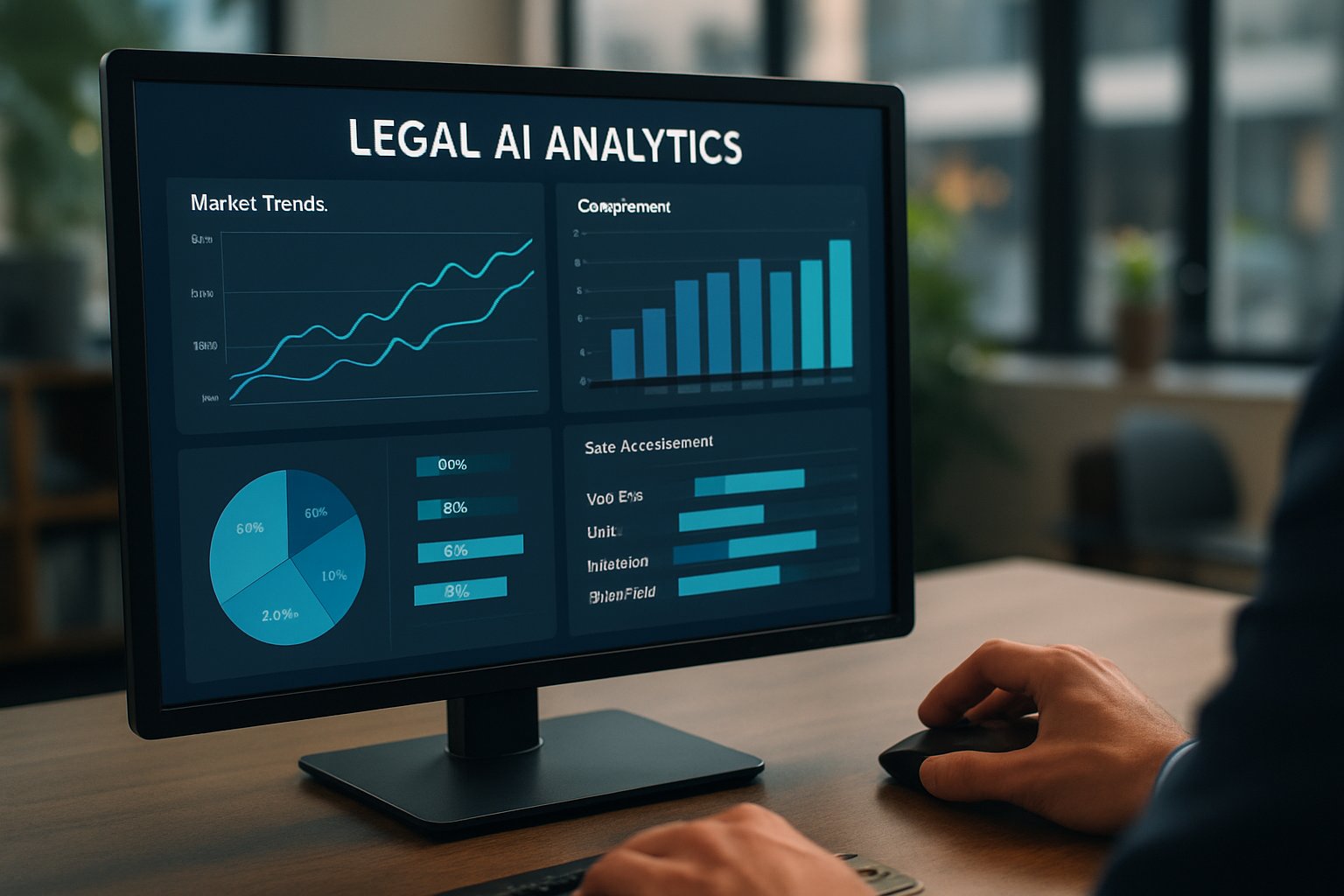
Claude Cowork combines persistent memory, document access, and plugin calls within one desktop workspace. Additionally, the Legal plugin bundles clause libraries, negotiation playbooks, and redline macros. Users trigger step-by-step routines that flag risky language and suggest revisions. Meanwhile, Anthropic cautions that outputs need attorney review before client delivery. Competitive Intelligence dashboards inside Cowork highlight frequently negotiated clauses. Data Sovereignty controls include regional processing and optional no-training retention clauses. Moreover, the company released the plugin code under an open-source license to spur audits. In contrast, rival incumbents guard proprietary logic, limiting external scrutiny.
Key Technical Concept Primer
Agentic AI refers to models that autonomously complete multi-step tasks across tools. Therefore, Claude Cowork stores workflow context and reconnects as tasks evolve. Hallucination risk declines when plugins enforce rule-based checks and retrieval citations. Consequently, adoption hinges on balancing autonomy with verifiable evidence trails. The architecture blends flexibility with guardrails acceptable to cautious counsel. Nevertheless, scale matters only if users engage consistently. Adoption metrics offer clearer evidence.
Adoption Metrics And Insights
Anthropic highlighted a Korean startup hitting six thousand users within six months. Moreover, twenty percent of the nation’s lawyers reportedly joined the service. Free-to-paid conversion reached sixty percent, demonstrating willingness to pay for speed. European Markets show similar pilot traction according to confidential vendor briefings. Gathering Competitive Intelligence on jurisdictional preferences guides product localization. Additionally, law schools in Paris and Berlin now embed Cowork in elective courses. Data Sovereignty remains a decisive adoption factor for public sector buyers.
- 2.3 million work hours saved, Anthropic case study reports.
- 79% second-month retention across early legal users.
- $29.7B 2023 global legal-tech revenue, Statista estimates.
- US$9.23B 2024 ALSP market size.
Consequently, vendors integrating Claude aim to capture subscription upgrades across these cohorts. Adoption data validates demand for automated review at enterprise scale. However, growth can stall if risk concerns outweigh savings. The next section investigates those concerns.
Evolving Legal Risk Landscape
Law firms fear hallucinations that could slip into filings unnoticed. Therefore, malpractice carriers demand human review until benchmarks mature. Data Sovereignty questions also persist, especially for cross-border European Markets clients. Moreover, Anthropic’s $1.5 billion copyright settlement keeps intellectual-property debates vivid. In contrast, some experts view the judge’s fair-use language as a protective precedent. Nevertheless, vendors must offer contractual guarantees on training data provenance. Consequently, firms lacking Competitive Intelligence risk mispricing AI investments. Regulatory and liability pressures shape procurement checklists. Consequently, platforms that address these issues gain trust quickly. Strategic responses from incumbents illustrate this dynamic.
Strategic Responses Now Emerging
Thomson Reuters accelerated CoCounsel rollouts and teased multi-model support after the sell-off. Additionally, LexisNexis partnered with Google Gemini to diversify model pipelines. Harvey added Anthropic models but kept OpenAI options, hedging vendor lock-in. Meanwhile, boutique ALSPs market blended human-AI offerings targeting price-sensitive European Markets clients. Consequently, corporate legal departments now develop Competitive Intelligence dashboards tracking model capabilities. Professionals can enhance expertise with the AI Legal Specialist™ certification. Such credentials signal governance knowledge during vendor negotiations. Incumbents respond with speed, openness, and ecosystem bets. However, data shows newer entrants still gain ground. Understanding future outlooks becomes vital.
Outlook For Legal Practitioners
Competitive Intelligence now underpins resourcing, hiring, and technology roadmaps across legal teams. Moreover, boards ask general counsel for quantified automation savings projections. Subsequently, firms invest in pilot sandboxes that respect Data Sovereignty obligations. In contrast, some regulators may soon codify minimum audit standards for agentic AI. Therefore, early certification and policy literacy will differentiate practitioners. Competitive Intelligence teams already benchmark clause accuracy, response latency, and regional uptime. Furthermore, leadership demands insights tailored to European Markets risk matrices. Consequently, tool vendors publish transparent performance dashboards to win bids. Practitioners who master data, policy, and AI orchestration will set market norms. Nevertheless, continuous learning remains essential. The final section distills actionable steps.
Key Takeaways And Actions
First, monitor stock and partnership signals for fresh Competitive Intelligence. Second, demand contractual guardrails that satisfy Data Sovereignty and hallucination criteria. Third, pilot regional groups to gauge cross-border acceptance. Fourth, pursue formal credentials that evidence governance competence. Fifth, embed Competitive Intelligence metrics in quarterly business reviews. Consequently, teams will align budget, risk appetite, and innovation velocity. Professionals seeking structured knowledge can enrol in the earlier linked certification. Actionable steps close the strategy-execution gap. Therefore, proactive moves secure advantage in the unfolding AI legal era.
In summary, Anthropic’s Legal plugin marks a decisive shift for AI in professional services. Moreover, rapid adoption and market tremors prove that agentic workflows will shape fee structures. Nevertheless, governance, accuracy, and jurisdictional controls still dictate purchasing timelines. Therefore, professionals who pursue certified knowledge and act on today’s insights will lead tomorrow’s transformations. Start by enrolling in the linked credential and share this analysis with your team today.


