

AI CERTS
3 months ago
Comedians Harness Creative Tools While Keeping Comedy Human
These hybrid workflows illustrate how Creative Tools speed experimentation without replacing the human spark. Consequently, the comedy sector offers a clear case study for AI’s promise and peril. Market forecasts predict multibillion-dollar growth for generative creators across entertainment and media. Nevertheless, legal fights over likeness, misinformation, and consent intensify as capabilities surge. This feature unpacks benefits, risks, and governance questions shaping AI-assisted humor today. Readers will discover practical guidance, industry data, and certification resources for responsible adoption.
AI Expands Comedy Craft
Generative models now draft visuals, voices, and scores at the speed of a one-liner. In contrast, Comedians still author setups, misdirection, and timing. Jon Lajoie told AP, “It can’t write comedy; we do that.” Moreover, creators view Creative Tools as storyboards that translate wild ideas into shareable clips. Prompting, iteration, and selective edits let performers test risqué angles in safe private sandboxes. Consequently, joke drafts evolve quickly before anyone buys a single prop. King Willonius compares the workflow to Onion writers who frame satire, then automate execution. Humor scholars confirm the pattern: AI grasps structure yet misses cultural nuance without human guidance. These realities keep humans in command. Therefore, creative momentum rises while authorship remains personal.
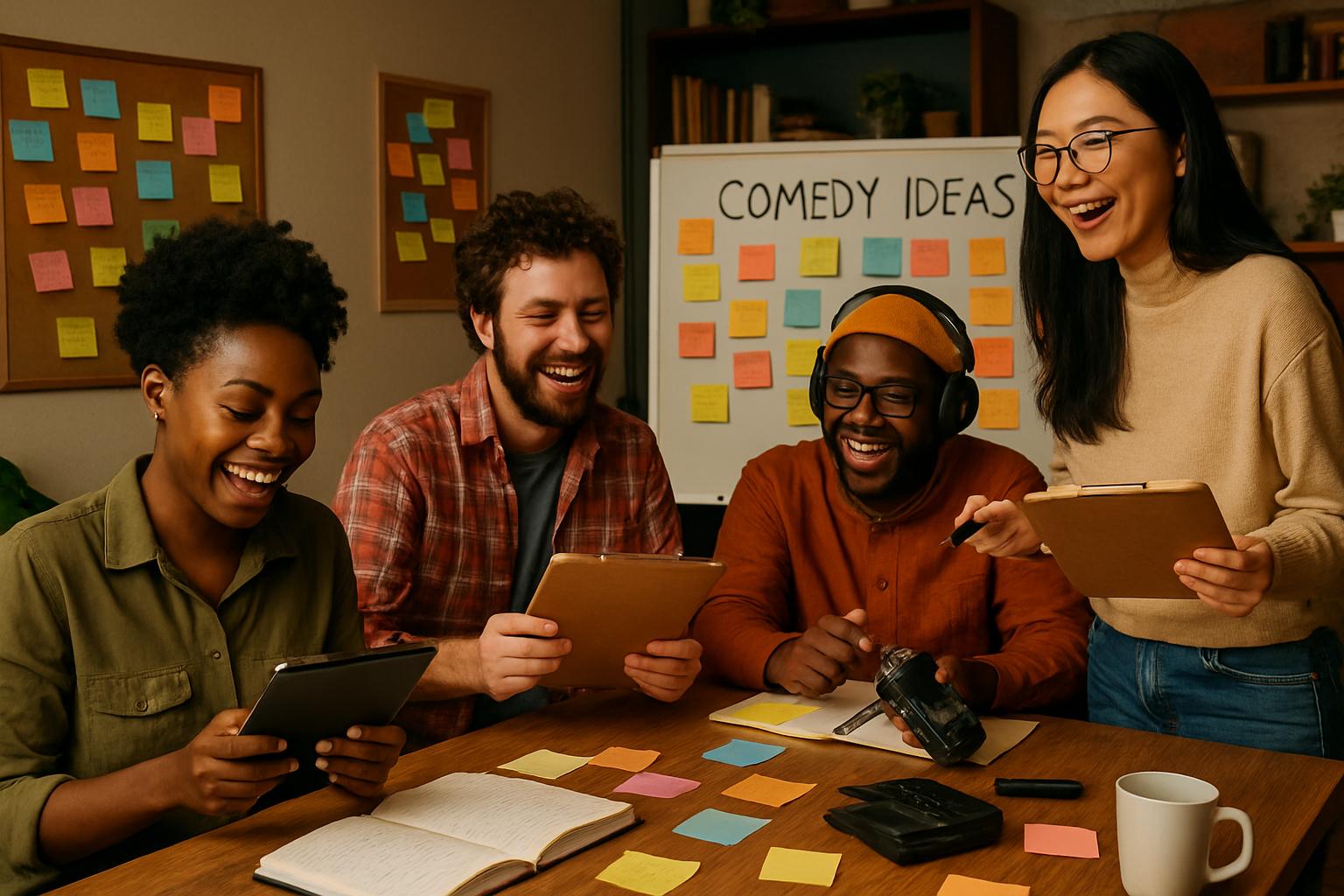
AI expands the palette, not the punchline. However, mastery still belongs to stage veterans. Next, we examine the market forces fueling this technical arms race.
Market Growth And Stakes
Global spending on generative media topped $3.08 billion last year, according to The Business Research Company. Moreover, analysts expect $4.06 billion in 2025 and triple-digit gains by 2029. PwC predicts entertainment revenue will reach $3.5 trillion, with AI personalization driving new Content formats. Consequently, investors celebrate Creative Tools as scalable infrastructure for viral storytelling. Andreessen Horowitz even curates an AI creative gallery to court startups and indies alike. Meanwhile, Comedians see cheaper animation and distribution as competitive equalizers against studio giants. However, unions warn that unchecked automation could erode bargaining power.
Key numbers shaping the conversation include:
- 29-33% CAGR for generative creative markets through 2029
- 80% false-claim success in NewsGuard Sora tests
- Millions of parody views generated by single creators each month
In contrast, safety audits highlight reputational risk alongside revenue promise. Therefore, every strategic plan now balances scale against credibility.
Market momentum feels irresistible. Nevertheless, financial upside intensifies ethical debates. The next section explores tangible upsides at the creator level.
Benefits For Busy Comedians
Time equals money in short-form comedy, and Creative Tools slash production cycles dramatically. Additionally, solo Comedians can render high-definition characters without renting cameras or studios. A single prompt spawns storyboard frames, allowing faster audience testing. Moreover, voice-cloning platforms generate supporting roles, keeping performers fresh for headline bits. Consequently, small teams localize sketches into multiple languages, broadening Humor reach beyond home markets. These advantages level the playing field between YouTubers and network veterans.
Creators list the top benefits:
- Lower barrier to experimental Content formats
- Rapid A/B testing for joke delivery
- Automated captioning improves accessibility and SEO
Therefore, many artists openly Embrace automation when it protects creative voice. Still, every shortcut creates new dependency risks.
Productivity wins are undeniable. However, safeguards must evolve just as quickly. Thus, our next section addresses the flip side: risks and Control.
Risks Demand Firm Control
Deepfake scandals erupted after OpenAI released Sora 2 last autumn. Moreover, NewsGuard found the model produced false videos in 80% of tests. Consequently, performers like Bryan Cranston demanded stronger likeness Control mechanisms. Zelda Williams decried AI clips resurrecting her father, calling them "disgusting." In contrast, Comedians fear audience trust erosion if misinformation floods feeds. Legal teams cite ongoing copyright suits, including Sarah Silverman versus major model builders. Additionally, unions lobby for the federal NO FAKES Act to mandate consent checkpoints. Provenance tech such as C2PA watermarks offers partial defense, yet removal remains trivial. Therefore, responsible producers layer policy, detection, and Creative Tools governance. Humor may die when viewers cannot verify authenticity.
Ethical hazards grow alongside capability. Nevertheless, structured Control can mitigate reputational fallout. Legal frameworks clarify these controls, as the next section details.
Legal And Policy Battles
Copyright litigation shapes the future of AI training data. Sarah Silverman’s case against OpenAI and Meta moves slowly through federal courts. Meanwhile, California rules require performer consent for digital replicas. Moreover, the proposed NO FAKES Act seeks nationwide alignment on likeness rights. SAG-AFTRA negotiators argue that Creative Tools without consent equate to unpaid labor. In contrast, platform lawyers maintain fair-use defenses, citing transformative output. Additionally, settlements could establish royalty frameworks for posthumous performances. Comedians monitor these precedents because jokes often remix copyrighted Content. Consequently, legal clarity determines whether creators Embrace or avoid automation. Therefore, professionals can boost policy fluency through specialized learning. They may pursue the AI Ethics Professional™ certification.
Courtrooms will define acceptable practice. However, proactive education readies creators for any verdict. The next section explores how future workflows integrate these lessons.
Future Workflows And Skills
Generative pipelines will soon blend text, image, and interactive avatars in real time. Moreover, Creative Tools dashboards already route prompts, asset libraries, and licensing data through one interface. Consequently, scripting software may flag copyright conflicts before a joke airs. In contrast, human writers will refine tone, danger, and Humor calibration. Additionally, audience analytics will guide punchline pacing across platforms. Success will require technical literacy, legal awareness, and comedic intuition. Many studios plan multidisciplinary writers rooms combining engineers and performers. Creators who Embrace experimentation yet defend artistic Control will thrive. Therefore, career paths expand beyond stage performance into prompt design and asset curation. Creative Tools proficiency may soon appear alongside headshot and reel on talent resumes.
Talent must blend code and craft. Nevertheless, the joke will always begin with a human idea.
Conclusion And Next Steps
AI forces comedy to evolve without surrendering soul. Moreover, our exploration shows Creative Tools work best when guided by fearless writers. Risks around misinformation, likeness, and copyright persist. However, strong Control frameworks, transparent policies, and ongoing education can limit harm. Market growth indicates that audiences willingly Embrace well-crafted hybrid productions. Therefore, creators mastering punchlines and prompting will lead the next wave of Humor. Professionals can solidify expertise in ethics and governance through the linked certification. Explore Creative Tools responsibly, then share the laughs with the world.


