

AI CERTS
3 months ago
Chinese Smartphone Memory Cost Surge and Consumer Impact
Meanwhile, carriers and e-tailers watch demand elasticity closely. In contrast, memory manufacturers celebrate improved earnings. The coming quarters will reveal whether alarmist headlines prove correct. For professionals tracking the Smartphone supply chain, objective data remains essential. Consequently, investors seek clarity on shipment forecasts. Additionally, regulators evaluate subsidy extensions. Moreover, historical cycles show that component inflation can reshape competitive hierarchies. Therefore, understanding evidence, not rumors, is critical.
Memory Prices Surge Up
Recent supply data confirms an escalating Memory Cost problem for makers. Moreover, Counterpoint records a 50% year-to-date surge in bulk DRAM.
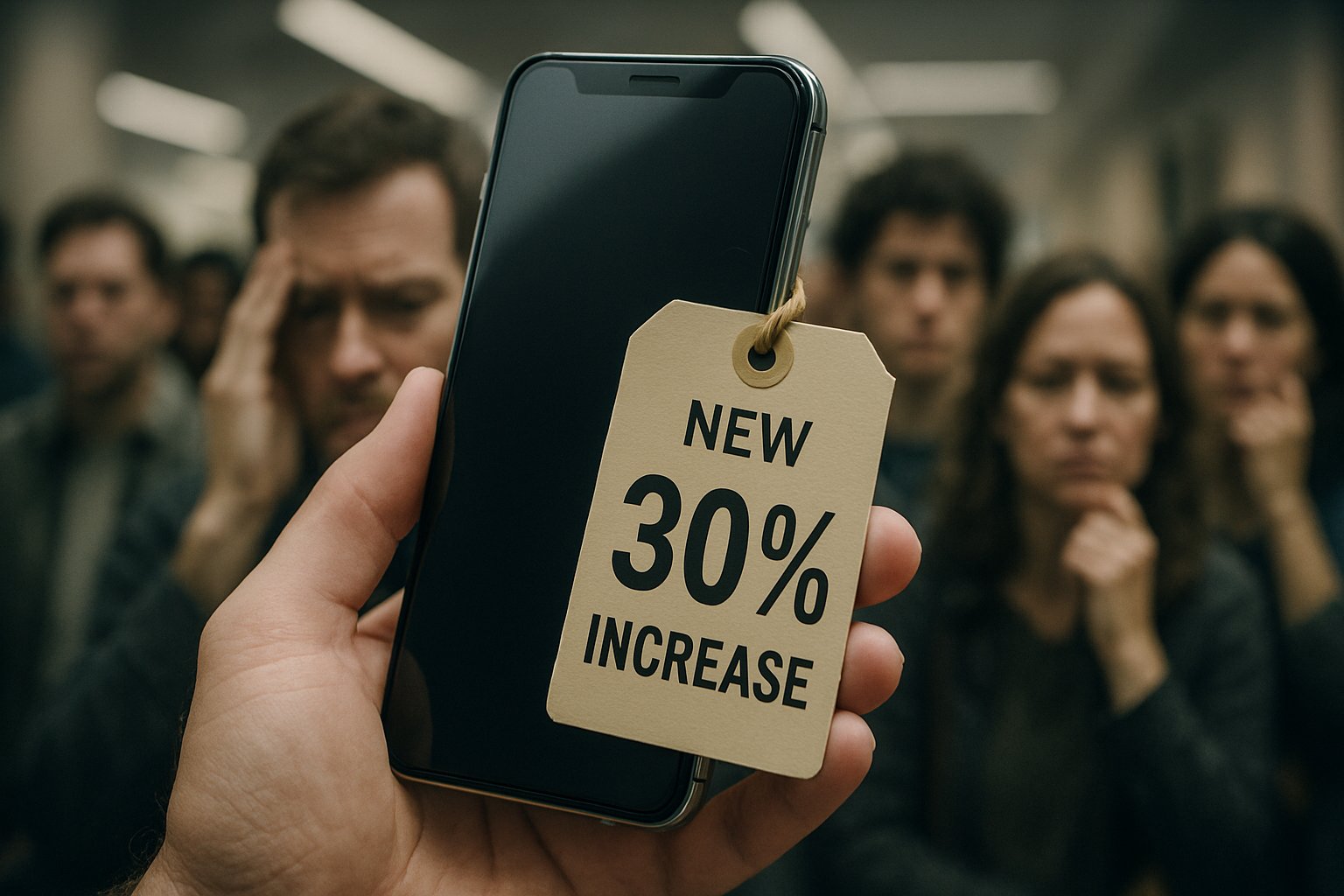
Chipmakers shifted capacity toward lucrative HBM serving AI accelerators. Consequently, commodity LPDDR supply tightened sharply. Reuters adds that server DDR contracts climbed 60% in extreme cases. Therefore, Smartphone vendors suddenly face BOM inflation unseen since 2021.
- 50% DRAM rise during 2025.
- Projected 30% extra jump in Q4 2025.
- Potential 20% further hike early 2026.
- ASP for Chinese Handset market forecast at USD 465 in 2026.
These figures threaten to add 20–30% to some model retail tags if wholly passed through. However, larger makers still weigh partial absorption to defend share.
Component inflation is real and sizable. Nevertheless, the ultimate Consumer Impact depends on vendor strategy. Consequently, assessing corporate responses offers clearer insight.
Vendors Alter Pricing Schemes
Manufacturers now deploy multiple tactics to blunt rising Memory Cost. Some brands nudge launch Price upward, yet sweeten bundles to maintain perceived value. Additionally, they release higher-spec SKUs to move ASPs rather than touch entry models directly.
Realme Retail Price Signals
Realme India CMO Francis Wong warns Handset tags may rise 20-30% by June if costs persist. Furthermore, the Realme GT8 debuted CNY 300 higher than its predecessor. Nevertheless, holiday promotions partly offset this lift. Such calibrated steps show how Realme protects volume while guarding margins, mitigating Consumer Impact.
Xiaomi Cost Pressure Quote
Xiaomi President Lu Weibing stated that soaring Memory Cost has “transferred to pricing.” Consequently, the Redmi K90 base Price climbed to CNY 2,599. However, Xiaomi cut one SKU by CNY 300 after user backlash. Additionally, vivo and OPPO raised flagship tags by CNY 200–300.
These actions highlight selective increases rather than blanket adjustments. Therefore, Consumer Impact varies across segments. Some buyers will escape hikes through promotions. In contrast, premium shoppers may pay more. The next section explores forecasts shaping these choices.
Market Forecast Trends Ahead
Industry research firms project more turbulence. IDC expects global Smartphone shipments to dip 0.9% in 2026. Moreover, average selling Price should reach USD 465.
Counterpoint foresees an additional 20% Memory Cost jump early 2026. Consequently, vendors may shift focus to higher margin Handset categories. Additionally, Canalys reports that Chinese subsidies helped Q1 2025 shipments grow 5%.
Such macro indicators signal rising pressure on mid-range devices. Therefore, analysts warn that Consumer Impact could intensify if subsidies lapse.
Forecasts frame strategic planning for every stakeholder. Subsequently, we assess risks and prospects.
Threats And Consumer Opportunities
Rising costs threaten budget Handset accessibility. However, memory suppliers, including Samsung and SK Hynix, enjoy windfalls.
Manufacturers might downgrade camera modules to compensate for Memory Cost. Nevertheless, that compromise risks user satisfaction. Meanwhile, higher ASPs could slow Smartphone replacement cycles. Such delays amplify Consumer Impact across developing markets.
Upside exists for premium segments. Consequently, brands can package larger storage and superior displays at smaller relative uplifts. Moreover, investors may favor suppliers with diversified revenue.
- Mid-tier Handset demand may soften, increasing Consumer Impact.
- Service revenue could gain importance.
- Memory Cost volatility encourages component hedging.
Opportunities coexist with risks. Therefore, informed purchasing choices matter. The following guidance helps buyers navigate uncertainty.
Strategies For Budget Buyers
Consumers still hold leverage despite headlines. Firstly, track e-commerce flash deals. Many vendors run timed drops to offset higher Memory Cost.
Secondly, evaluate previous-generation flagship lines. These units deliver robust performance at lower Price.
Thirdly, consider storage variants carefully. Additionally, external cloud services may reduce on-device demand. Such tactics minimize Consumer Impact. Realme often issues coupons through official stores.
Professionals can enhance their expertise with the AI+ Healthcare™ certification. Moreover, skilled negotiators often secure bundled accessories.
Adopting disciplined buying steps can preserve budgets. Consequently, policy context deserves equal attention.
Policy Outlook And Timeline
Beijing subsidy programs cushioned Q1 2025 prices. However, expiry could align with peak Memory Cost.
Regulators also monitor AI server demand redirection. In contrast, chipmakers plan capacity expansions finishing 2027.
Therefore, the next 18 months remain volatile. Meanwhile, Consumer Impact will hinge on subsidy renewals.
Stakeholders should revisit forecasts quarterly. Subsequently, risk mitigation can adjust.
Policy actions may moderate shocks. Nevertheless, structural supply issues persist until new fabs arrive.
Conclusion And Next Steps
Memory Cost inflation is reshaping the Chinese Smartphone landscape. Vendors selectively raise Price while leaning on promotions and premium mix. Consequently, Consumer Impact varies by segment and timing. Handset buyers can still find value through vigilant deal hunting, strategic model choices, and subsidy awareness. Moreover, capacity expansions promise relief beyond 2027, yet short-term volatility persists. Professionals should track quarterly data, engage suppliers proactively, and consider certifications to sharpen market insight. Therefore, explore trends regularly and act decisively to stay ahead of shifting costs.


