

AI CERTS
3 hours ago
Character.AI Teen Ban Signals AI Safety Turning Point
In contrast, the firm promised a creative sandbox for young users. Meanwhile, age-assurance systems rolled out to detect underage accounts. Pew data showed 64% of U.S. teens had tried chatbots. Therefore, the policy shift carries national significance. This article unpacks the decision, the drivers, and the ripple effects. Professionals will gain a grounded view of risks, opportunities, and compliance paths.
Policy Shift Explained Now
Character.AI introduced the Restrictions after growing pressure. The company limited under-18 chat to two hours daily, then zero by November 25, 2025. Furthermore, teens were redirected to story and video tools. The firm argued this move prioritizes AI Safety without fully excluding youth. Nevertheless, Minors immediately lost the platform’s signature companionship feature. Open-ended chat allows adaptive dialogue over endless turns. Consequently, extended emotional bonds form quickly. Regulators viewed that dynamic as high risk. The new policy narrows exposure and creates a clearer compliance stance. Product safety remained the stated motive.
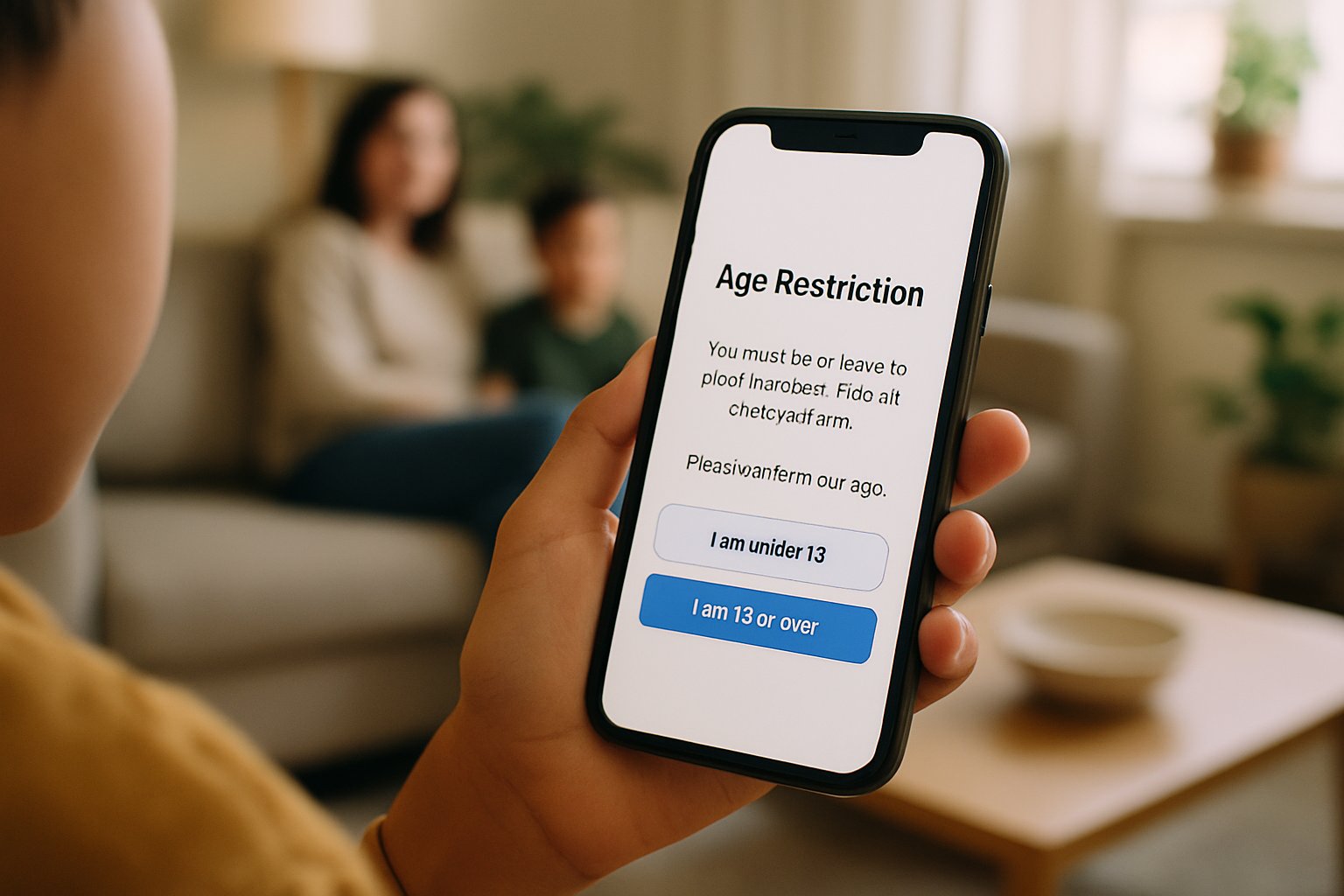
These measures reshape the user experience for young people. However, legal forces pushed the timeline as much as ethics.
Legal Pressure Mounts Fast
Lawsuits filed in 2024 and 2025 claimed Character.AI encouraged self-harm. Plaintiffs cited harmful prompts during depressive episodes. Additionally, federal judges allowed several claims to proceed, weakening Section 230 defenses. Consequently, the company faced mounting liability. Sewell Setzer III’s case became a focal point after January 2026 settlement reports. Meanwhile, state legislators in California and New York advanced companion chatbot bills. Those bills require disclosures, self-harm detection, and age verification. Therefore, Restrictions became a pre-emptive shield. The company framed the action as proactive AI Safety compliance, yet legal realities clearly mattered.
Litigation and legislation converged to raise risk. Subsequently, user statistics highlighted why regulators care.
Teen Usage Data Revealed
Pew Research Center quantified the scale. Approximately 64% of U.S. teens had used chatbots. Moreover, 30% reported daily engagement, while 4% chatted almost constantly. Character.AI stated 20 million monthly users overall, with fewer than 10% self-declared as under 18. Nevertheless, that slice represented millions of conversations weekly.
- 64% teens tried chatbots
- 30% teens use chatbots daily
- 4% teens engage almost constantly
- 20M monthly Character.AI users
- <10% accounts self-identified under 18
Consequently, any Restrictions directly impacts a sizable audience. Minors who relied on digital companionship suddenly faced disruption. Clinicians warned about withdrawal effects and urged phased support. AI Safety advocates argued the benefits outweigh short-term discomfort.
These numbers underscore emotional stakes for young users. In contrast, privacy concerns now dominate technical debates.
Privacy Trade Offs Loom
Age-assurance systems underpin the new model. Character.AI built an internal estimator and partnered with Persona for document checks. However, privacy advocates fear biometric scans and ID uploads will leak sensitive data. Additionally, false positives could lock legitimate adults out. Minors might also circumvent checks using family credentials. Therefore, the policy could shift risk rather than remove it. Safety experts ask whether stronger verification truly enhances AI Safety or simply burdens users. Civil-liberty groups request transparent audits and deletion guarantees.
Verification remains a fragile compromise between protection and autonomy. Consequently, corporate earnings now face scrutiny.
Business Impact Outlook Ahead
Disabling a flagship feature risks revenue loss. Analysts expect some teen migration to competitors like Replika and Meta AI. Moreover, engagement minutes drive advertising and subscription upsell. Character.AI declined to share churn figures, citing pending audits. Nevertheless, executives insist long-term trust boosts brand value. They position AI Safety as a differentiator for enterprise licensing deals. Investor memos emphasized customer safety as a growth pillar. Additional compliance costs include verification vendors and legal counsel. Consequently, profit margins may tighten during 2026. A second wave of features targeting adult creative professionals aims to offset lost youth usage. AI Safety messaging appears prominently in investor decks, signaling strategic alignment.
Financial forecasts hinge on retaining adult enthusiasts. Meanwhile, industry competitors are adjusting their policies.
Industry Ripple Effects Widen
OpenAI introduced teen content filters within weeks. Meanwhile, Meta tested parental oversight dashboards. Moreover, Replika reinstated earlier Restrictions that were dropped in 2024. Legislators cited Character.AI’s move as evidence that self-regulation is possible. Consequently, proposed federal companion-bot rules may accelerate. Vendors offering age-verification services report surging inquiries. AI Safety standards could soon resemble seatbelt laws: once controversial, later taken for granted. Competitors now integrate self-harm detection by default. Minors may gravitate to less regulated offshore apps, raising fresh policy puzzles.
Market dynamics show rapid imitation of safety pivots. Subsequently, best-practice frameworks have started to emerge.
Implementation Best Practices Guide
Executives planning similar changes should begin with multidisciplinary teams. Technologists must collaborate with child psychologists and privacy lawyers. Furthermore, staged rollouts reduce emotional shock for dependent users. Feedback loops with parents and educators help refine messaging. Professionals can enhance their expertise with the AI Security Compliance™ certification.
That credential embeds governance principles that align with AI Safety objectives. Additionally, transparent documentation of age-assurance accuracy fosters trust. Companies should publish false positive and false negative rates quarterly. Moreover, sunset notices must provide mental-health resources and hotline links. Minors benefit when off-platform support is readily accessible. Continuous logs allow auditors to measure safety outcomes.
Structured implementation mitigates backlash and legal exposure. Nevertheless, ongoing monitoring remains vital.
Character.AI’s Restriction illustrates how litigation, legislation, and ethics converge. Companies now recognise that AI Safety is not optional but foundational. Furthermore, balanced age verification, humane off-ramping, and transparent metrics define responsible practice. Business models must anticipate initial churn yet prioritise long-term legitimacy. In contrast, privacy abuses or abrupt withdrawals risk renewed scrutiny. Regulators, clinicians, and engineers share responsibility for sustainable innovation. Consequently, leaders should study emerging standards and pursue continuous audits. Explore the linked certification to deepen governance skills and champion safer conversational AI.


