

AI CERTS
2 hours ago
capMedical bets on Healthcare AI Longevity revolution
However, licensing remains pending, and financing is modest. This report unpacks the strategy, market forces, and hurdles shaping capMedical’s early trajectory.
Market Forces Drive Demand
Preventive health spending keeps rising. Fortune Business Insights estimates the AI healthcare market could hit US$1,033 billion by 2034. Meanwhile, ageing populations and chronic disease costs pressure health systems. Consequently, corporate-wellness budgets seek measurable returns. These macro trends create fertile ground for Healthcare AI Longevity services.
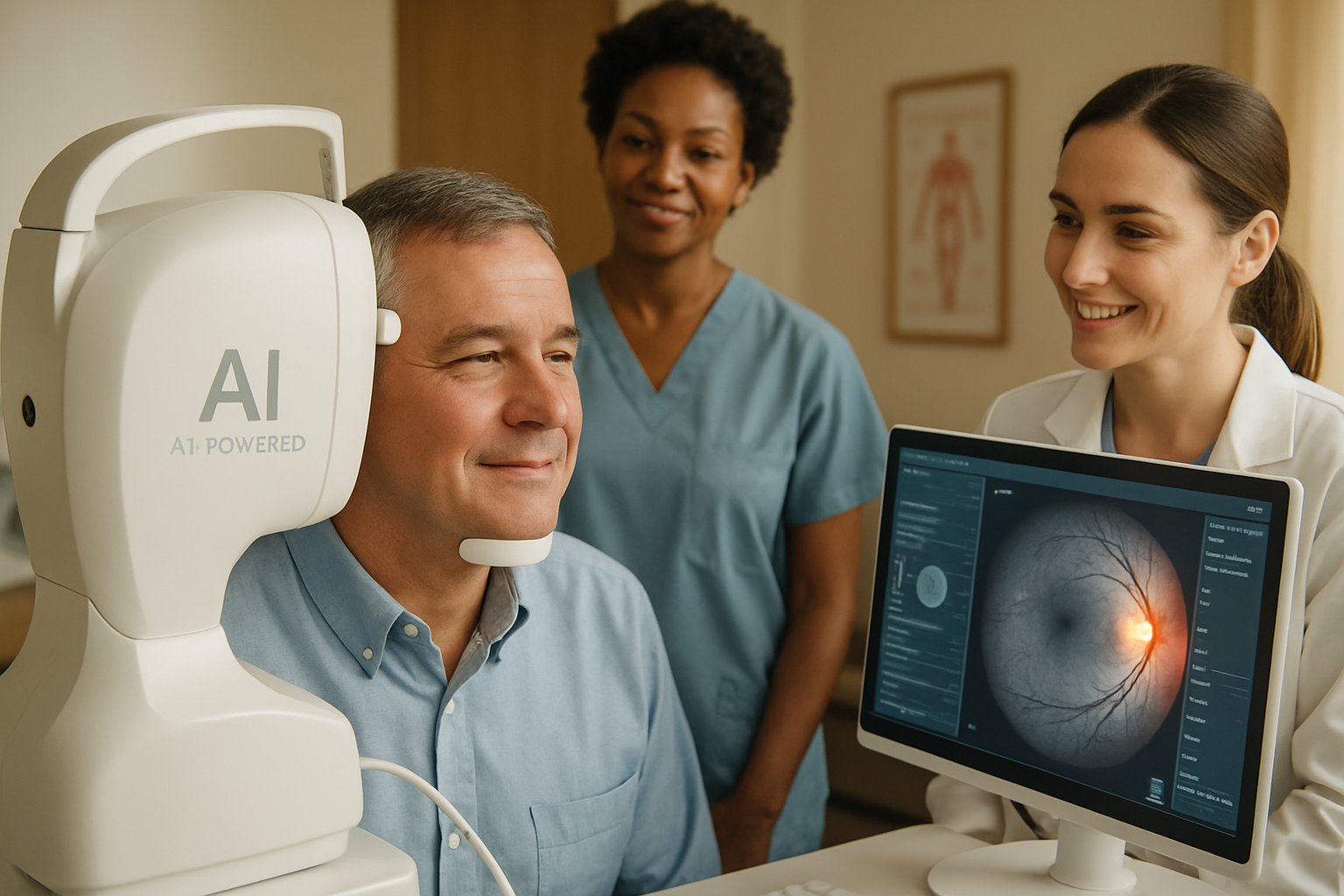
capMedical cites consumer willingness to pay from US$500 to US$15,000 for deeper screening. Moreover, early detection promises productivity gains and lower downstream treatment costs. These factors support the company’s price bands. Nevertheless, sceptics warn that evidence gaps and regulatory friction can stifle adoption.
The growth backdrop underpins capMedical’s optimism. However, the next section explains how the subsidiary plans to translate demand into revenue.
capMedical Business Model Details
The subsidiary offers three programme tiers. Entry packages cost about US$500 and cover foundational biomarkers. Mid-tier plans, near US$5,000, add metabolic, cardiovascular, and inflammation mapping. Premium bundles, priced around US$15,000, integrate multi-system imaging and genomics.
capMedical intends dual distribution. Consumer channels will target affluent individuals who value proactive health. In contrast, corporate channels will pitch aggregated screening for executive teams. Furthermore, the company claims its consolidated stack differentiates it from single-test rivals.
Professionals can enhance their expertise with the AI Executive Essentials™ certification, aligning skills with emerging AI-driven models. These business details set the stage for the required technology stack, discussed next.
Technology And Clinical Stack
capMedical’s stack combines laboratory analytics, imaging AI, and clinician dashboards. Advanced blood panels feed predictive algorithms that spotlight risk clusters. Additionally, CT or MRI scans generate data for early tumour or plaque detection. The company asserts that integrating these streams yields actionable recommendations.
However, biomarker validity varies widely. The NIH notes many markers still lack screening-grade evidence. Therefore, capMedical must demonstrate clinical utility to win trust. Moreover, AI model explainability and HIPAA compliance will shape procurement decisions.
Key components include:
- CLIA-certified labs for high-throughput assays
- FDA-cleared imaging hardware partnerships
- Cloud platforms securing longitudinal health data
- Physician networks for specialist interpretation
This technological foundation appears robust on paper. Nevertheless, real-world execution hinges on regulatory clearance, which the following section explores.
Regulatory And Licensing Hurdles
capMedical incorporated on 7 October 2025, yet it still awaits state medical licences. California was flagged as the first target jurisdiction. Moreover, any laboratory work requires CLIA compliance, while AI diagnostics may trigger FDA oversight. Consequently, timelines could slip without early engagement.
Professor Ronjon Nag acknowledged these challenges in February 2026 filings. He emphasised “ongoing licensing discussions” with R42 Group LLC. Nevertheless, no licences or binding agreements are public. Therefore, investors should monitor regulatory milestones closely.
Uncertainty around permits adds operational risk. However, transparent disclosures could reassure stakeholders, leading us to financial considerations.
Financial Viability Reality Check
The 10 February 2026 placing raised only £252,500. Start-up clinical networks often consume millions before revenue. Furthermore, capMedical must fund lab contracts, imaging slots, and marketing.
Consequently, the current cash pool appears thin for nationwide rollout. Additional rounds or strategic partners seem inevitable. Moreover, premium pricing narrows the addressable base until evidence drives reimbursement.
These fiscal constraints highlight execution risk. However, market competition intensifies the urgency to scale, as the next section illustrates.
Competitive Landscape Quick Snapshot
Several players already offer preventive screens. Human Longevity Inc markets comprehensive genome and imaging packages. In contrast, large health systems bundle executive physicals with advanced labs. Start-ups such as Prenuvo focus on whole-body MRI subscriptions.
capMedical positions itself between boutique clinics and enterprise vendors. Moreover, integration across multiple body systems could differentiate the brand. Nevertheless, established incumbents enjoy deeper capital reserves and clinical data.
Competition pressures capMedical to validate outcomes quickly. The strategic road map addresses these stakes next.
Strategic Outlook Moving Ahead
capMedical aims to pilot programmes in 2026, subject to licences. Subsequently, UK expansion may follow once operating playbooks mature. Partnerships with hospital groups could accelerate credibility. Additionally, publishing peer-reviewed results would counter scepticism around Healthcare AI Longevity.
Management also references corporate wellness deals as an early revenue path. Consequently, employer endorsements could lower customer acquisition costs. Meanwhile, continuous algorithm tuning should sharpen predictive accuracy.
These steps could propel capMedical toward sustainable growth. However, disciplined capital allocation and transparent reporting will remain critical.
capMedical’s story intertwines bold vision and material risk. The market craves preventive solutions, yet regulators demand proof. Therefore, balanced execution will decide whether Healthcare AI Longevity ambitions translate to measurable impact. Industry observers should track licences, partner announcements, and clinical publications as leading indicators.
Conclusion
capMedical embodies the promise and peril of Healthcare AI Longevity. Robust market tailwinds support its tiered preventive platform. Moreover, integrated diagnostics could deliver unique customer value. Nevertheless, modest funding, licensing gaps, and fierce rivals temper enthusiasm. Consequently, sustained success will hinge on evidence generation, strategic partnerships, and fresh capital.
Professionals eager to navigate this dynamic space should acquire advanced competencies. Therefore, consider the AI Executive Essentials™ certification to stay competitive in the evolving AI-driven health sector.


