

AI CERTs
3 hours ago
California DROP Boosts AI Privacy Compliance
Californians are seizing unprecedented control over their personal information. The new Delete Request and Opt-out Platform, DROP, opened on 1 January 2026. With one verified click, users can demand deletion across more than 500 registered data brokers. This sweeping capability places AI Privacy at center stage for regulators, companies, and consumers alike. Consequently, the platform signals a landmark shift in data governance beyond the state’s borders. Moreover, early reports show over 150,000 sign-ups within weeks, underscoring massive public appetite for control. Meanwhile, brokers face strict access cadences, audit obligations, and steep per-request penalties beginning August 2026. Therefore, Security leaders and policy teams must grasp timelines, technical duties, and strategic responses immediately. This article unpacks DROP’s mechanics, enforcement stakes, and evolving business implications. It also maps certifications and resources that strengthen compliance capabilities.
California DROP Overview Basics
DROP was mandated by the Delete Act, signed in 2023 by Governor Newsom. Residents verify identity through the California Identity Gateway or Login.gov, then submit a single deletion and opt-out request. Subsequently, the platform distributes hashed identifiers to every registered broker. In contrast to scattered forms, consumers receive one dashboard for status updates. That simplicity explains the surge of 100,000 requests during the first week alone.
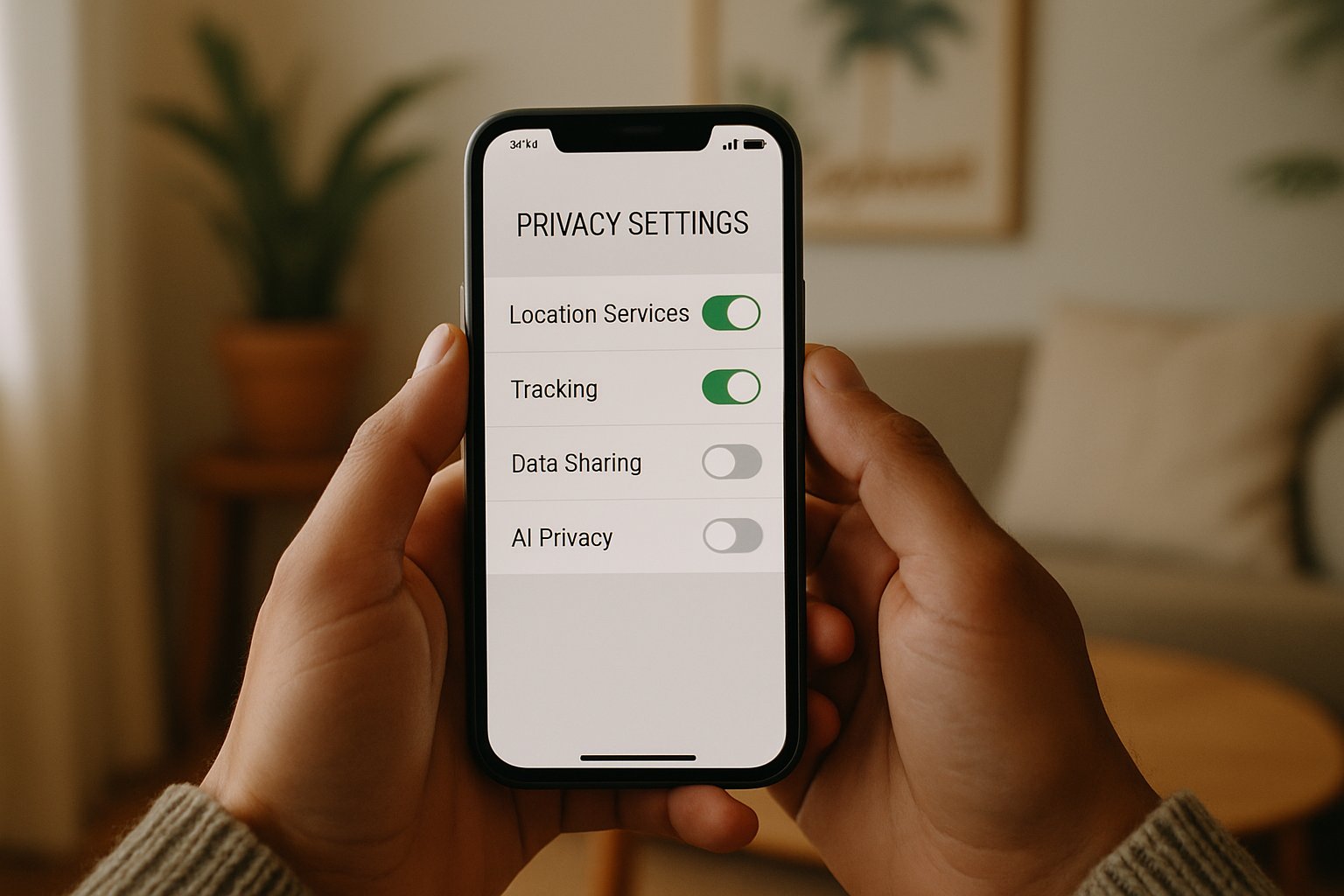
Tom Kemp, Executive Director of the California Privacy Protection Agency, stated, “Californians will soon be able to delete their data from hundreds of data brokers with one simple action.” His comment captures the promise of stronger AI Privacy protections. Nevertheless, DROP’s scope remains limited to brokers, not social networks or banks with direct relationships.
These fundamentals illustrate why media coverage exploded. However, understanding the legal clock is equally critical.
Regulatory Timeline And Fines
The regulations establish three milestone dates. First, consumer sign-ups began 1 January 2026. Second, broker processing obligations start 1 August 2026. Third, independent audits commence 1 January 2028.
- $200 per day for each unprocessed deletion request
- $200 per day for failure to register as a broker
- Audits required every three years thereafter
Consequently, fines can multiply quickly. Analysts warn a backlog of 50,000 untouched requests could reach $10 million within one month. Furthermore, SB 361 strengthened disclosure mandates, raising the compliance stakes.
The timeline underscores pressing Security planning. Therefore, the next section explains how brokers must operationalize compliance.
Operational Flow For Brokers
Each broker must access DROP at least every 45 days. Moreover, many integrate the official API to automate downloads of hashed consumer identifiers. Matching rules require deletion when confidence thresholds are met; otherwise, brokers must block further sale or sharing.
After processing, brokers file status reports within the same 45-day window. Subsequently, they maintain suppression lists to keep deleted profiles from re-entering datasets. Security teams should audit hashing, matching, and logging routines to avoid enforcement exposure.
These steps demand coordinated engineering and legal oversight. However, early adoption signals reveal obstacles beyond code.
Early Adoption And Impact
Senator Josh Becker celebrated more than 150,000 sign-ups by late January 2026. Meanwhile, privacy advocates like EFF argue that streamlined opt-outs reduce scam calls, AI impersonation, and identity theft. Residents already report fewer unsolicited marketing emails.
Nevertheless, data on long-term effectiveness will surface after August 2026 when processing begins. Therefore, firms should prepare dashboards tracking request volumes, match rates, and consumer complaints. Doing so bolsters AI Privacy credibility and limits penalty risk.
Early metrics validate consumer appetite. Yet, industry groups voice contrasting concerns.
Industry Concerns And Critiques
The Consumer Data Industry Association warns DROP could hamper fraud prevention and small-business advertising. In contrast, privacy NGOs dismiss those claims, noting existing exemptions for credit reporting activities. Moreover, advertisers fear revenue loss from blocked targeted ads.
Dan Smith of CDIA highlighted “unintended consequences” during legislative hearings. Consequently, brokers lobby for federal preemption to override California’s stricter rules. Nevertheless, enforcement actions have already begun, including fines for unregistered firms.
Debate will intensify as real costs emerge. However, businesses can mitigate risk through proactive Security investments.
Strategic Steps For Security
Companies should appoint cross-functional teams spanning legal, engineering, and product marketing. Additionally, firms must document data flows, identifier schemas, and deletion protocols. Automated reconciliation reports will demonstrate timely action to auditors.
Professionals can enhance expertise with the AI-Ethical Hacker™ certification. The program reinforces skills in penetration testing, risk assessment, and incident response—capabilities crucial for sustaining AI Privacy programs. Furthermore, training supports continuous improvement ahead of the 2028 audit cycle.
These strategic steps harden infrastructure. Consequently, they position organizations to manage the platform’s next evolution.
Future Outlook And Recommendations
Regulators plan to publish aggregate broker performance metrics after August 2026. Moreover, CalPrivacy may refine matching guidelines as machine learning techniques evolve. Residents nationwide already demand similar tools, suggesting other states will copy DROP.
Therefore, multistate organizations should design scalable frameworks rather than California-specific patches. Establishing unified deletion APIs, consent dashboards, and suppression pipelines future-proofs compliance. Meanwhile, privacy engineers should monitor wording discrepancies, such as the 90-day reference on consumer pages versus the controlling 45-day rule.
The horizon promises expanded oversight. Nevertheless, early preparation secures competitive advantages and strengthens AI Privacy trust.
Conclusion And Next Steps
DROP represents a national test case for comprehensive AI Privacy rights. California Residents can now block the sale of their data through one streamlined portal. Consequently, brokers must modernize systems, document actions, and invest in Security certifications. Moreover, organizations adopting proactive governance will avoid fines and gain consumer confidence.
Prepare early, monitor enforcement updates, and upskill teams with relevant credentials. Finally, explore advanced certifications to deepen knowledge and lead the future of responsible data stewardship.


