

AI CERTS
3 hours ago
ByteDance’s Seedance 2.0 Ups Generative Video Stakes
Meanwhile, Chinese media stocks jumped as the tool reached Dreamina and will hit CapCut later this month. Early testers posted clips showing coherent characters, smooth transitions, and lip-synced dialogue across eight languages. However, experts also warned of deepfake risks and copyright headaches. The company claims safeguards are improving, yet policy debate intensifies. This article unpacks Seedance 2.0’s specs, market impact, workflow implications, competitive positioning, and unresolved challenges for professionals building or vetting next-generation Video AI pipelines.
Generative Video Market Momentum
Investor enthusiasm surfaced immediately after the announcement. Furthermore, shares of listed Chinese media firms climbed between three and seven percent during the week. Market watchers linked the spike to expected demand for faster content pipelines powered by Multi-shot automation. ByteDance framed Seedance 2.0 as a productivity accelerator, and agencies agreed. In contrast, some studios fear additional pricing pressure once Video AI tools become mainstream.
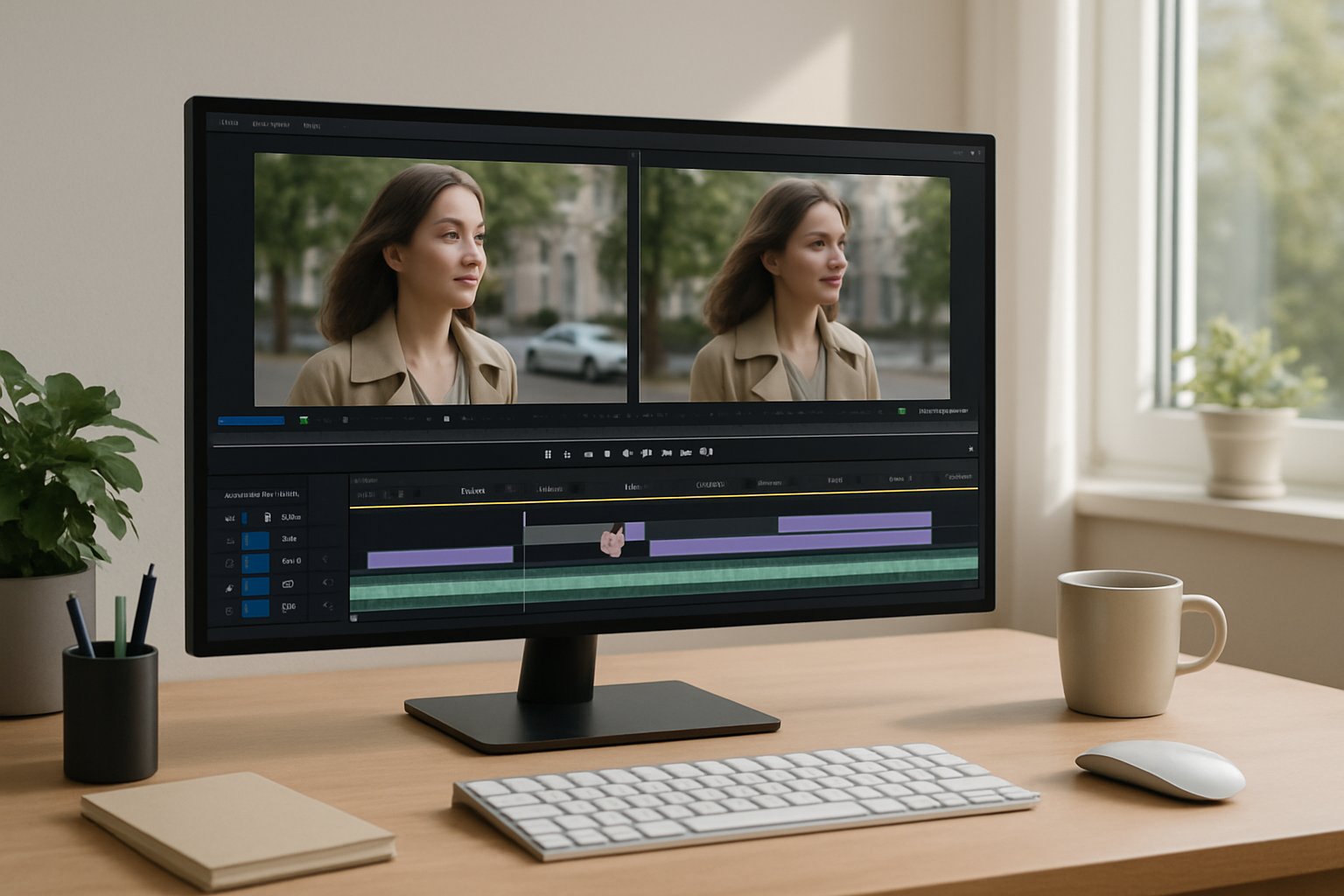
OpenAI, Google, and Kuaishou already field Generative Video engines, yet many creators call Seedance outputs more cinematic. TIME quoted several editors praising character continuity and cost advantages. Moreover, early CapCut usage numbers show thousands of projects within days, despite the service only supporting 720p–1080p exports. These metrics suggest mass adoption potential once global rollout begins. Consequently, demand for advanced training on creative pipelines will rise. Professionals can enhance their expertise with the AI Design Certification™.
The financial response underscores commercial appetite for streamlined Creation workflows. Nevertheless, technical details decide long-term value, which we explore next.
Key Tech Specs Explained
Seedance 2.0 accepts text prompts plus up to twelve reference assets. Additionally, users may combine nine images, three video clips, and three audio snippets per project. The engine then plans shots, blends styles, and outputs 5–12-second clips at 720p or 1080p. Such structure marks a shift from earlier Generative Video systems limited to single shots.
Core specifications include:
- Native dual-branch generation for pixels and sound, ensuring tight lip sync.
- Beat-matched camera cuts driven by audio rhythm.
- In-model editing for extending scenes without full regeneration.
- Multi-language speech support, currently listing eight tongues.
- Character and lighting consistency across every shot.
- Shot-level metadata supports downstream Generative Video analytics.
The architecture remains proprietary, yet ByteDance confirms the Model builds on Seedance 1.x diffusion modules with novel cross-modal attention layers. Consequently, coherence improves when Multi-shot scenes exceed ten seconds. Researchers still await a peer-reviewed paper detailing training data and safety filters.
These specifications reveal a focused push toward reliable storytelling rather than single-clip tricks. Consequently, the next section reviews how workflows may evolve.
Workflow Changes Lie Ahead
Directors once stitched separate renders inside editing suites. Modern Generative Video workflows condense that routine into one prompt-driven cycle. Moreover, native audio eliminates external foley passes, shrinking schedules further. Indie teams can now draft animatics before lunch, iterate, and present polished pitches the same afternoon.
The shift particularly benefits advertising agencies where turnaround speed drives revenue. Furthermore, Version-in-place editing lets clients swap mascots or taglines without rerendering whole sequences. Creation teams therefore gain agility while reducing render farm expenses.
Nevertheless, experienced editors retain value. Sophisticated color grading, narrative pacing, and compliance checks still demand human judgment. In contrast, repetitive assembly work may decline as Video AI handles mechanical splicing.
Workflow consolidation promises efficiency but also labor upheaval. Consequently, competitive dynamics across platforms merit closer inspection next.
Competitive Landscape Shifts Fast
Seedance 2.0 joins a crowded Generative Video field now featuring other Video AI titans such as OpenAI’s Sora. Moreover, each Model touts unique strengths, yet cost, coherence, and audio integration set differentiation parameters.
Key comparisons at launch:
- Sora: 4K renders, single-shot focus, higher pricing tiers.
- Veo: strong motion physics, limited audio pipeline.
- Kling: domestic Chinese focus, competitive pricing, solid sequence control.
- Runway and Pika: web convenience, shorter clips, community assets.
TIME reported that Seedance credits cost 30–40 percent less than several Western alternatives. Additionally, CapCut will bundle promotional quotas, further pressuring rivals. However, absence of a public API limits enterprise experimentation compared with OpenAI’s early partner program.
Competitive jockeying intensifies as platforms chase creator loyalty. Nevertheless, looming ethical and regulatory risks could reshape the battle, as the next section examines.
Risk Factors Multiply Rapidly
Hyper-realistic audio plus visuals empower unprecedented impersonation. Unchecked Generative Video forgeries could erode societal trust. Feng Ji warned that fake footage may overwhelm current review systems. Moreover, Eric Lu claimed the Model eagerly recreates copyrighted characters given minimal prompts, sparking legal concern.
Privacy challenges intensify when users feed selfies or voice notes. Consequently, regulators may demand stricter verification and watermarking. Meanwhile, misinformation researchers fear election interference fueled by cheap Multi-shot fabrications.
Robust Policy Guardrails Needed
Several proposals circulate. Additionally, watermark standards, consent tracking, and prompt logging could deter abuse. Every Model should embed searchable watermarks. However, global coordination lags behind technological velocity.
Unchecked risks threaten public trust and adoption. Therefore, strategy teams must weigh safeguards while plotting next moves, addressed in the final section.
Strategic Next Steps Considerations
Studios evaluating Generative Video pilots should begin with limited internal storyboards, avoiding sensitive likenesses until policies mature. Furthermore, side-by-side benchmarks against existing Video AI tools will clarify relative strengths in Creation speed and cost.
ByteDance plans broader CapCut integration by month’s end; enterprise licensing details remain vague. Consequently, procurement leaders should monitor API announcements and ask direct questions about data retention. Professionals can enhance production design insight through the previously mentioned AI Design Certification™.
Strategic pilots, transparent vendor dialogue, and staff upskilling build defensible capabilities. Consequently, readers can move toward informed deployment.
Seedance 2.0 lifts Generative Video capability from novelty to near-professional output while keeping budgets low. Moreover, integrated Multi-shot planning, native audio, and agile editing compress production timelines.
Nevertheless, the same strengths magnify deepfake, copyright, and labor challenges. Consequently, success hinges on balanced governance, transparent Model documentation, and continuous staff training.
Industry leaders should experiment responsibly, monitor policy developments, and secure relevant skills today. Consider starting with the AI Design Certification™ and push your next storyboard toward safe, impactful innovation.


