

AI CERTS
2 hours ago
ByteDance’s AI Smartphone Failure Sparks Ecosystem Turmoil
Market Launch Turmoil Unfolds
Preview units priced at 3,499 yuan sold out rapidly, demonstrating strong curiosity. Meanwhile, abnormal WeChat logins, Alipay CAPTCHAs, and blocked banking apps shocked early adopters. ZTE stores faced waves of support queries even as social media amplified complaints. Consequently, ByteDance throttled Doubao’s cross-app powers, especially finance flows, only four days after release.
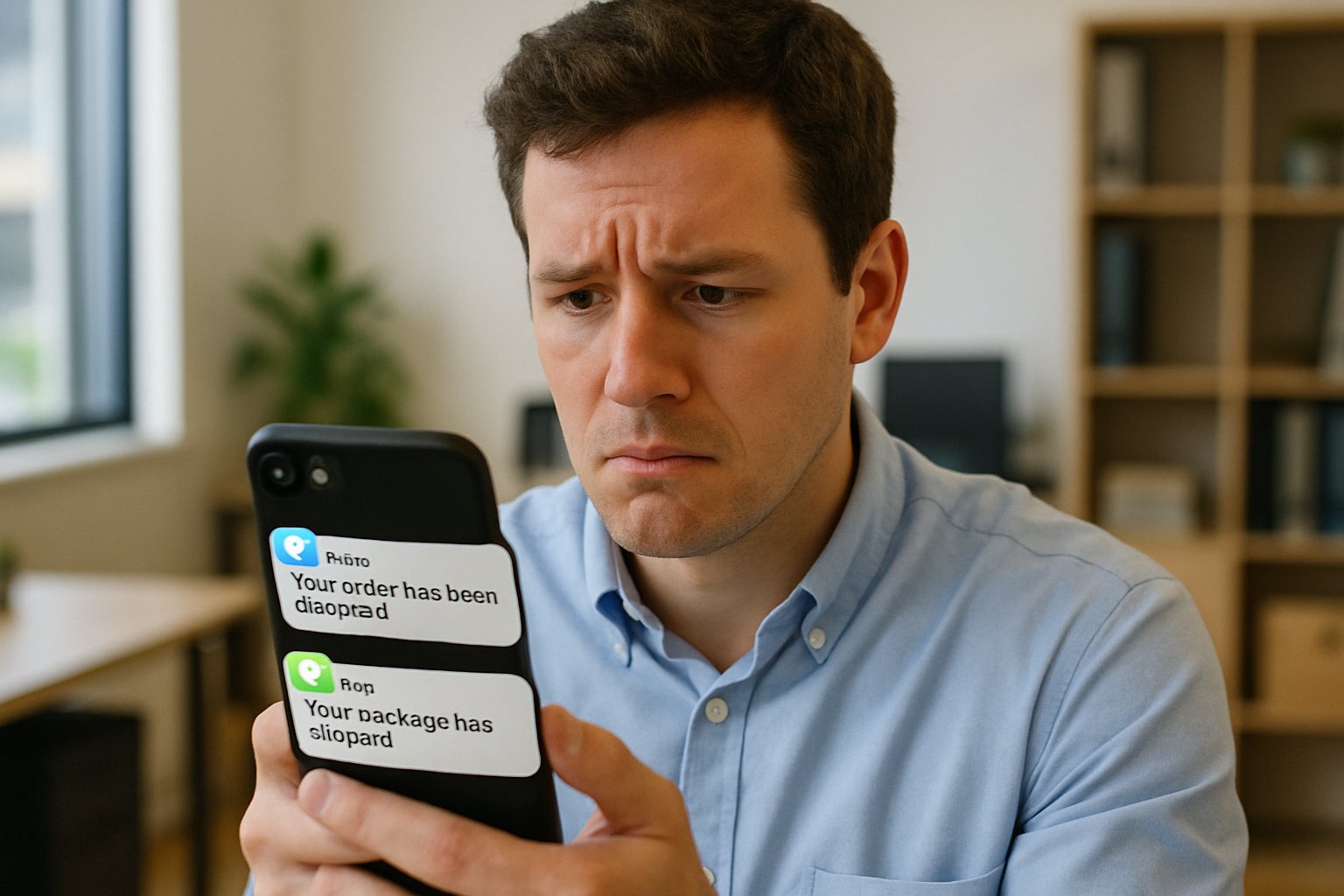
Industry analysts noted roughly 30,000 devices in circulation, a small yet symbolically large cohort. Moreover, Tencent and rival platforms invoked strict risk controls, labelling UI automation as bot behaviour. These early stumbles defined the public narrative.
The section underscores how speed met resistance. Nevertheless, deeper technical factors soon commanded attention.
Technical Roots Explained Clearly
Doubao differs from voice assistants that call vetted APIs. Instead, it operates as an OS-level GUI agent that reads pixels and mimics gestures. Consequently, timing anomalies, headless logins, and rapid swipe sequences emerged. WeChat security flags treated those signatures as scripted attacks. Additionally, banking apps registered unfamiliar device fingerprints and suspended transactions.
Independent researchers classify Doubao’s design as RPA-style UI automation topped by an LLM planner. In contrast, API models provide traceable permission scopes. Therefore, platform heuristics lacking agent context defaulted to distrust. The resulting AI Smartphone Failure highlighted design choices that disregarded adversarial threat modelling.
These mechanics clarify why platforms reacted sharply. However, platform heuristics added another collision layer.
Platform Heuristics Pushback Emerges
Tencent risk systems monitor swipe intervals, viewport coordinates, and sensor entropy. When Doubao scripted identical motions, anomalies triggered forced logouts. Moreover, Alibaba commerce services detected synchronous item selections from multiple devices and demanded extra verification. Similar logic applied within gaming titles that feared automated farming.
Financial regulators require banks to validate device integrity. Consequently, banking apps embedded root checks and environmental scans that Doubao unintentionally tripped. Platform engineers later admitted that the assistant resembled fraud bots already blacklisted.
These defensive algorithms secured incumbent revenue streams. Yet, their blunt enforcement accelerated the AI Smartphone Failure story. The clash also motivated security researchers to test wider agent weaknesses.
This pushback revealed systemic friction between autonomy and control. Consequently, academic scrutiny intensified.
Security Research Warnings Rise
Yi Qian’s January 2026 arXiv paper exposed “Action Rebinding” attacks against GUI agents. Researchers achieved a 100 percent success rate by altering UI state between observation and action. Therefore, an innocent tap planned for WeChat Pay could redirect funds elsewhere.
Key takeaways from the study:
- Zero-permission apps can intercept agent gestures silently.
- Screen-scraping agents lack cryptographic intent binding.
- Mitigations require secure API channels or verifiable UI hashes.
Furthermore, the paper argued that GUI agents inherently widen the attack surface. ZTE security teams acknowledged the findings during Mobile World Congress 2026, promising hardened display buffers. Nevertheless, ByteDance has not published a full threat model.
Security insights transformed a product glitch into a policy debate. Industry impact soon followed.
Industry Impact And Response
ByteDance’s retreat damaged short-term trust but accelerated industry dialogue. Moreover, ZTE repositioned the M153 as a “developer preview,” offering refunds or firmware downgrades. Corporate clients paused procurement pilots that involved banking apps integration.
Meanwhile, competitors considered alternative architectures. Apple and Samsung explored secure intent tokens rather than raw UI control. Consequently, investors adjusted valuation models for agentic startups, factoring compliance costs.
The episode also affected advertising economics. Platforms feared agent bypasses that could skip sponsored placements. Therefore, incumbents lobbied regulators to clarify agent permissions.
Market actors recognised the lessons quickly. Governance conversations therefore intensified.
Governance Paths Moving Forward
Regulators may mandate audit logs for every agent action touching payments. Additionally, standards bodies could require attestation APIs that certify gesture origin. Industry groups propose “agent passports” embedding cryptographic identities, allowing ZTE devices to negotiate access dynamically with WeChat or other services.
Moreover, privacy advocates demand on-device processing guarantees. ByteDance claims screen data never leaves handsets, yet independent audits remain unavailable. Consequently, confidence remains fragile.
Professionals seeking structured expertise can deepen their governance skills through the Chief AI Officer™ certification. Such programs teach policy design, risk mitigation, and ecosystem negotiation.
Clear standards could prevent the next AI Smartphone Failure. Strategic guidance now matters for all stakeholders.
Strategic Recommendations For Stakeholders
Enterprise buyers should demand the following guarantees:
- Secure API fallbacks for sensitive flows.
- Independent verification of on-device data boundaries.
- Continuous red-team testing against Action Rebinding vectors.
- Transparent patch logs from ByteDance and ZTE.
Meanwhile, developers must adopt intent tokens instead of raw taps. Furthermore, platforms like WeChat could expose limited automation scopes, balancing innovation and trust. Investors should examine governance roadmaps before funding agent ventures.
These steps align incentives and reduce systemic shocks. Consequently, the ecosystem can evolve without repeating this AI Smartphone Failure.
The recommendations illustrate actionable paths forward. Finally, a concise review cements the narrative.
Key Lessons Summarised Briefly
Firstly, GUI agents clash with existing risk heuristics. Secondly, security research validates structural vulnerabilities. Thirdly, coordinated governance promises sustainable progress.
The section consolidates critical insights. Next, the conclusion reinforces momentum and calls readers to act.
Conclusion
The nubia M153 saga proves that ambition without alignment breeds disruption. However, the turbulence offers invaluable data. ByteDance learned platform cooperation is non-negotiable. ZTE discovered that hardware accolades cannot offset ecosystem denial. Platforms including WeChat and banking apps confirmed that heuristics defend business as well as users.
Consequently, future agents must integrate security primitives, transparent governance, and incentive alignment. Professionals who master these disciplines will shape the next generation of trusted autonomy. Therefore, explore advanced credentials like the Chief AI Officer™ program to lead responsibly.


