

AI CERTS
4 months ago
ByteDance AI quietly scales global apps strategy
Quiet Launch Strategy Moves
Forbes revealed in January 2024 that ByteDance AI shipped four generative Apps abroad—Cici AI, Coze, ChitChop, and BagelBell. Additionally, those products appeared under Singapore-based entities rather than the core ByteDance brand. A company spokesperson said the tools were “still testing,” underscoring a low-noise approach. Meanwhile, privacy policies allowed data sharing across corporate units, raising transparency questions. In contrast, domestic chatbot Doubao carried the ByteDance flag openly. Analysts argue the stealth tactic let teams test user experience without immediate geopolitical heat.
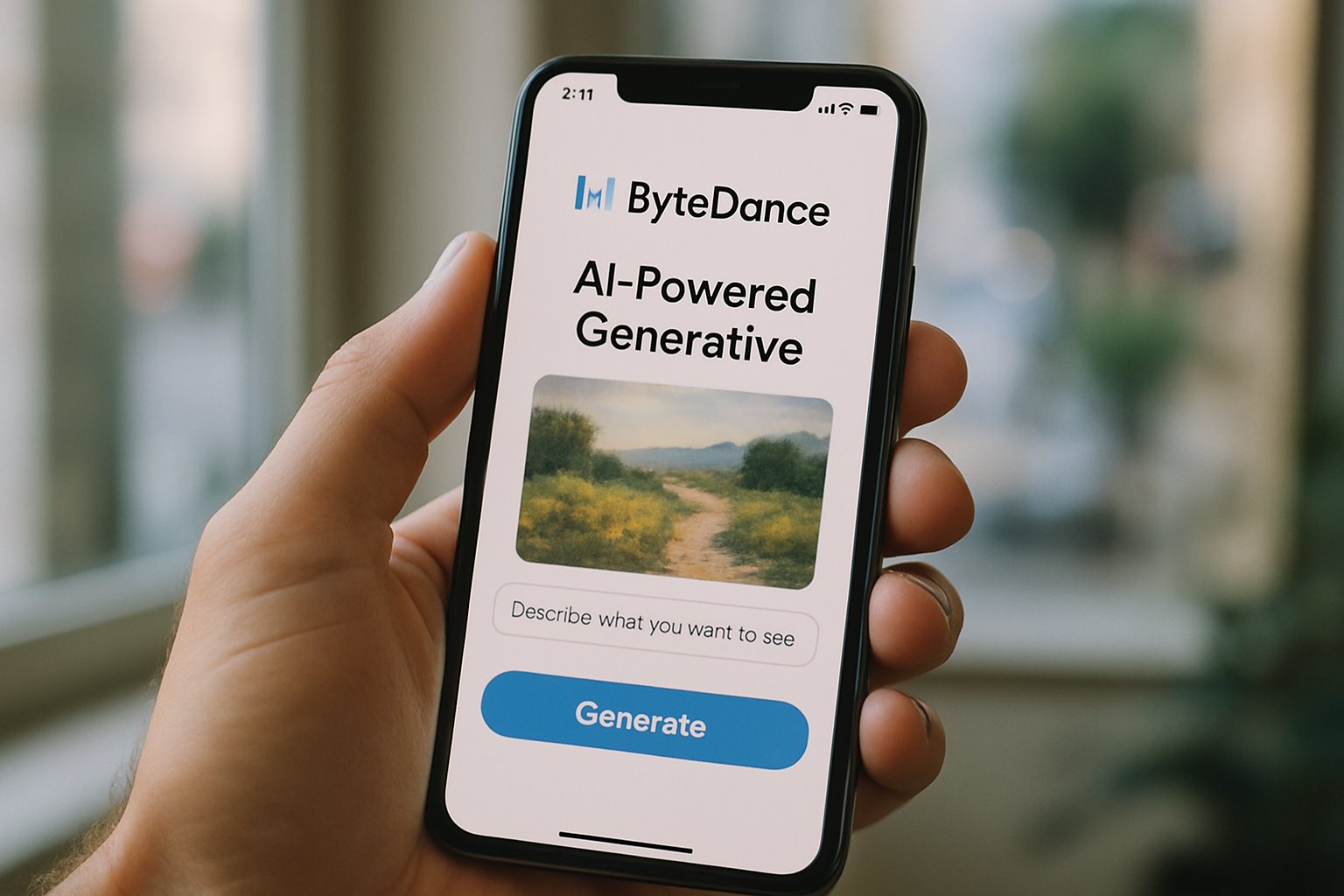
These launch tactics illustrate agile experimentation. However, stealth also magnified trust concerns once links emerged.
Therefore, understanding uptake patterns becomes essential before assessing long-term stakes.
Rapid Global Uptake Trend
Despite limited marketing, adoption surged. Forbes reported Cici exceeded ten million Google Play downloads within months. Wired later tracked ad campaigns in Mexico, the UK, and Southeast Asia that boosted store rankings. Moreover, Gauth, the homework helper, crossed ten million Android installs and claimed support for 200 million students.
- 10M+ Cici downloads by January 2024
- 10M+ Gauth downloads by April 2024
- Regional marketing pushes logged in Q3 2025
Consequently, ByteDance leverages TikTok to funnel discovery traffic toward vertical Apps. Analysts note that social video cross-promotion shortens user-acquisition cycles compared with rivals.
These numbers confirm market appetite. Nevertheless, sustaining engagement will require continuous feature Release cadence.
Subsequently, attention shifts to performance inside China.
Doubao Dominates China Market
QuestMobile and Aicpb trackers estimate Doubao monthly users between 42 million and 172 million during 2024-2025. Moreover, ByteDance AI cut model token prices several times, undercutting Alibaba and Baidu. TrendForce reports describe aggressive multimodal upgrades, including image and code generation. Consequently, developers flocked to Doubao APIs, intensifying domestic competition. TikTok’s Chinese sibling, Douyin, also routed traffic to Doubao mini-programs, enhancing retention.
Industry observers state that price and distribution give ByteDance AI structural advantages in China. However, analysts warn that sustained subsidy burn could strain compute budgets if regulation tightens.
Doubao’s surge highlights scale potential. In contrast, overseas tools still chase equivalent momentum.
Vendor Friction Exposed Issues
The Verge uncovered internal references to “Project Seed,” alleging OpenAI outputs helped train in-house models. Subsequently, OpenAI suspended ByteDance’s API account “while we further investigate,” according to spokesperson Niko Felix. Moreover, the policy dispute emphasized the difference between API usage and model training. Microsoft Azure intermediated some GPT calls for external Apps, complicating licensing optics.
ByteDance AI issued statements that non-China services rely partially on third-party models, while Doubao is fully proprietary. Nevertheless, vendor distrust now shadows global partnership prospects. Furthermore, policymakers already skeptical about TikTok data flows may cite this episode when drafting AI export rules.
Friction with suppliers introduces operational risk. Therefore, future Release roadmaps must hedge against dependency gaps.
Consequently, cost strategy emerges as another defensive lever.
Competitive Pricing Pressure Tactics
TrendForce noted ByteDance AI lowered enterprise model prices up to 40 percent below peers in late 2025. Additionally, the company bulk-purchased Nvidia chips to secure compute capacity. Moreover, internal talent reports show rapid AI hiring, outpacing several domestic giants. Consequently, rivals face a dilemma: match prices and erode margin, or maintain premium positioning and risk share loss. Analysts liken the dynamic to earlier TikTok ad-rate strategies that disrupted social media economics.
Pricing moves attract developers quickly. However, profitability hinges on scale and sustained hardware access.
Meanwhile, broader ecosystem risks persist.
Opportunities And Risks Ahead
ByteDance AI sits at the intersection of consumer reach and infrastructure ambition. Moreover, education-focused Apps like Gauth illustrate vertical diversification. Professionals can enhance their expertise with the AI+ UX Designer™ certification. Additionally, policy scrutiny remains intense in Washington, Brussels, and Beijing. Consequently, transparent branding and data governance will influence future approvals. Analysts also question if continual feature Release speed can satisfy users while meeting safety thresholds.
The opportunity landscape appears vast. Nevertheless, reputational missteps could amplify regulatory headwinds.
Therefore, balanced execution becomes imperative for sustained advantage.
Final Takeaway Insights Summary
ByteDance AI blended stealthy launches, TikTok leverage, and aggressive pricing to reshape global generative markets. Furthermore, Doubao’s domestic dominance underscores how distribution and cost can accelerate traction in China. However, vendor conflicts like the OpenAI suspension reveal fragility beneath the momentum. Moreover, varied app portfolios reduce exposure yet multiply compliance challenges. Consequently, stakeholders should monitor policy shifts, supplier relations, and user sentiment.
Industry professionals should audit their own dependency chains, reassess partnership clauses, and explore upskilling paths. Additionally, continuous certification ensures readiness for evolving AI design demands.
Act now to secure strategic positioning before the next disruptive Release.


