

AI CERTs
3 hours ago
Burger King Pilots Hospitality AI Service ‘Patty’
Few brands deploy AI headsets at drive-thru windows. Nevertheless, Burger King just did. On 26 February 2026, the chain revealed Patty, an OpenAI-powered assistant. The voice agent sits inside the broader BK Assistant platform. Consequently, executives describe the release as a transformative Hospitality AI Service for daily operations.
Roughly 500 US restaurants already run the pilot. Meanwhile, fewer than 100 sites also test automated drive-thru ordering. Investors heard the news during Restaurant Brands International’s Investor Day. Analysts immediately weighed benefits against surveillance risks. Observers view the rollout as a landmark Hospitality AI Service deployment for quick-service brands.
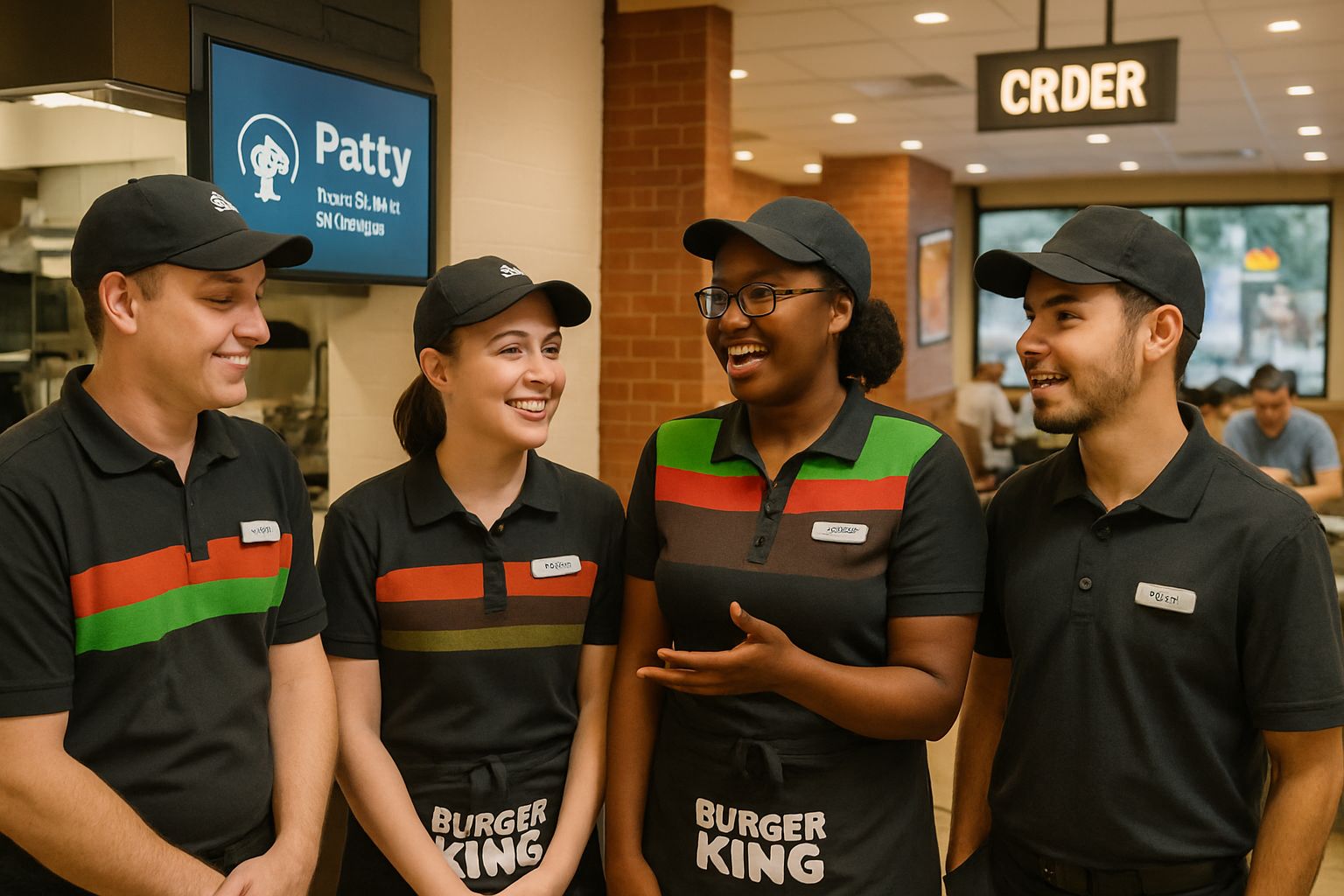
AI Pilot Rollout Scope
Burger King labels Patty’s debut a limited pilot, not a full deployment. Currently, about 500 US restaurants stream Patty’s guidance through employee headsets. Additionally, drive-thru order automation runs in fewer than 100 outlets.
In contrast, the web and app dashboard reaches corporate teams for early feedback. RBI targets nationwide availability of the Hospitality AI Service by late 2026. Furthermore, the group oversees roughly 33,000 restaurants worldwide, highlighting massive potential scale.
Executives promise that out-of-stock items vanish from every menu within 15 minutes. Therefore, centralized controls could replace many manual phone calls between managers and suppliers. Observers will watch whether franchisees embrace the timeline.
These numbers confirm early but ambitious reach. However, practical benefits must still prove durable in busy kitchens. Next, we explore promised operational gains.
Operational Benefits Promised Today
Patty integrates recipe lookups, maintenance tips, and inventory status into one headset query. Moreover, staff can ask for fryer cleaning steps without leaving their station. Managers receive live alerts when equipment temperatures drift outside safe ranges.
Consequently, unplanned downtime could shrink and food safety may improve. The Hospitality AI Service also compiles drive-thru audio, counting words such as “please”. Subsequently, software surfaces restaurant insights on aggregated friendliness patterns.
Burger King claims the data guides coaching rather than discipline. Thibault Roux told reporters, “This is all meant to be a coaching tool.” Additionally, the platform can adjust digital menus when stock runs out. A bullet list clarifies the stated gains:
- 15-minute menu updates across all channels.
- Voice answers for over 5,000 recipe questions.
- Real-time equipment telemetry from ovens, fryers, and freezers.
Therefore, Burger King argues that efficiency will drive margins higher. Yet independent analysts await verified cost savings from the pilot. Burger King intends to bundle the Hospitality AI Service within its franchise tech suite.
The toolkit could streamline many repetitive tasks. Nevertheless, proof will come from hard financial data. With benefits laid out, attention shifts to coaching dynamics for managers.
Coaching Focus For Managers
Unlike earlier analytics, Patty emphasizes guidance rather than punitive metrics. Keyword counts and tone scores funnel into dashboards visible to shift managers. Furthermore, the interface groups results by team, not individuals, according to the company.
Managers can recognize exemplary crews or schedule targeted training sessions. In contrast, Burger King states that no personal scores enter HR records. However, labor advocates remain skeptical about future policy changes.
The Hospitality AI Service stores text transcripts for model improvement, the company admits. Consequently, questions arise about retention periods and access controls. Privacy experts recommend clear consent forms and independent audits.
More restaurant insights could help scheduling, yet workers fear constant listening. Coaching ambitions look positive on paper. However, trust depends on transparent governance. The debate intensifies when ethics and surveillance enter the spotlight.
Privacy And Ethics Debate
Continuous audio capture inevitably triggers surveillance concerns. Moreover, social media users called Patty “dystopian”. The Guardian highlighted workers worrying about micromanagement algorithms.
Additionally, tone detection accuracy across accents remains unverified. RBI has not yet published fairness audits for the Hospitality AI Service. Consequently, bias risks may undermine staff morale.
Meanwhile, Burger King insists raw audio is not used for discipline. Nevertheless, the absence of written guarantees keeps critics vocal. Privacy scholars urge limits on data retention beyond 30 days.
Managers must also handle guest consent if ambient pickup occurs. Burger King has promised future briefings on these unresolved areas. Ethical gaps threaten adoption momentum. Consequently, industry peers watch closely for policy precedents.
Those peers also influence competitive strategy across quick-service giants.
Competitive Industry Landscape
Quick-service chains increasingly chase automation advantages. McDonald’s recently shifted from IBM to Google for voice ordering. Furthermore, Yum Brands partners with Nvidia on kitchen analytics.
Wendy’s, in contrast, pilots an in-car ordering assistant with FreshAI. Consequently, Burger King positions Patty as a differentiating Hospitality AI Service. Market analysts predict accelerated spending on restaurant insights platforms.
Additionally, suppliers now bundle hardware, software, and cloud subscriptions. Franchisees face vendor lock-in risks if standards remain proprietary. Therefore, open architecture could become a selling point.
Competitive moves signal a broader automation race. Nevertheless, clarity on ROI will decide long-term winners. Looking ahead, unanswered technical questions will shape Patty’s roadmap.
Future Roadmap And Unknowns
RBI plans national rollout by December 2026. However, executives must finalize data governance policies first. Detailed model names and guardrails remain undisclosed.
Additionally, accuracy testing for non-English speakers is pending. Employee opt-out options also lack clarity during the pilot. Consequently, unions may demand negotiated safeguards.
Independent audits could bolster credibility for the Hospitality AI Service. Professionals can enhance their expertise with the AI Customer Service Leader™ certification. Moreover, Burger King may integrate real-time drive-thru language translation later.
Restaurant insights from such features could unlock new menu personalization. Subsequently, data monetization opportunities might follow. Major unknowns concern policy, accuracy, and scale. However, timely transparency can convert doubts into loyalty.
The discussion now turns to final takeaways for industry readers.
Key Takeaways And Action
Burger King’s Patty illustrates how AI transforms frontline workflows. Operational gains, coaching dashboards, and rapid inventory edits promise efficiency. Nevertheless, privacy and bias challenges require rigorous governance.
Managers should request clear data policies before deployment. Furthermore, vendors must publish fairness audits to sustain trust. Hospitality AI Service adoption appears inevitable across the sector.
Consequently, early certification can improve career leverage. Explore the linked course to stay competitive in customer experience design.


