

AI CERTS
2 hours ago
Build 2026 Relocates to San Francisco: What Developers Must Know
Build 2026 will feature smaller crowds, deeper technical labs, and direct access to Microsoft engineers. Furthermore, GitHub executives promise a workshop-first experience that balances scale and intimacy. Satya Nadella has already teased the Bay Area shift on social media. Meanwhile, city officials expect another substantial tourism bump after Microsoft Ignite’s recent windfall. This article unpacks what the relocation means for every Developer considering attendance or sponsorship.
Event Location Shift Explained
Moving Build 2026 south was not accidental. Microsoft sponsorship documents list June 2–3, 2026 and clearly identify Fort Mason as host. Public event pages for Build 2026 mirror the sponsorship data. Therefore, the corporate paperwork removes any lingering doubt raised by earlier leaks.
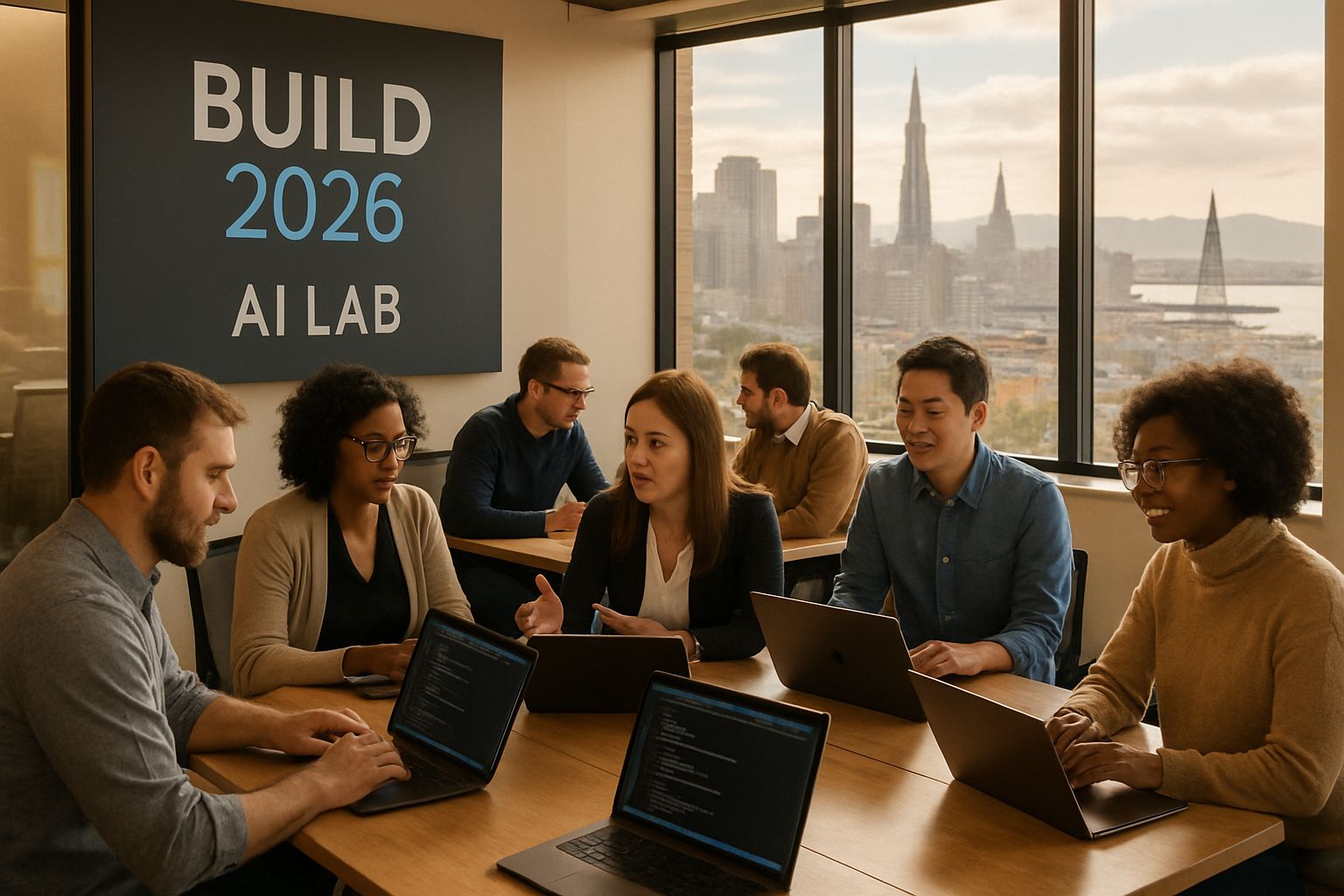
Organizers describe the campus as ideal for modular workshop spaces and waterfront networking events. In contrast, Seattle’s convention center excels at massive keynote halls but offers less flexible lab space. Consequently, developers may gain richer hands-on time even if overall capacity drops to roughly 2,500 guests.
The paperwork and venue layout underline Microsoft’s deliberate choice. Next, we examine how the redesigned agenda will operate.
Hands-On Format Details Revealed
Developers have asked what “hands-on” truly implies. Microsoft answers with a schedule dominated by small group labs, code reviews, and hackathons. Moreover, each lab pairs a product engineer with no more than twenty participants.
GitHub COO Kyle Daigle states that great conferences balance sprawl and personalization. Consequently, Build 2026 trims the typical keynote marathon and adds extended workshop blocks. Attendees will still see Nadella’s opening note, yet sessions quickly split into thematic rooms.
Sample agenda items spotlight Copilot extensibility, Azure Foundry deployment, and real-time Responsible AI tooling. Additionally, Developer feedback sessions are embedded after each technical block, closing the loop instantly. These structural tweaks prioritize depth over breadth.
The following section quantifies expected economic gains for the host city.
Economic Impact For City
Microsoft events reliably move local hotel and restaurant metrics. San Francisco Travel reports Ignite 2026 delivered $68 million and 68,000 room nights. Therefore, analysts expect Build 2026 to bring a proportionate, if smaller, windfall. The venue's capacity sits at roughly half Ignite’s Moscone footprint, yet premium rates could offset volume.
- Digital reach: Microsoft claims 745,000 online registrations across flagship events.
- Sponsor satisfaction: 90% of attendees rated sponsor sessions as valuable last year.
- Projected in-person spend: Analysts peg average visitor outlay at $1,500 over two days.
These numbers signal meaningful revenue for San Francisco businesses despite the attendee cap. However, the Bay Area benefit extends beyond hotel receipts, as the next section explains.
Bay Area Ecosystem Benefits
Locating the summit near venture capital hubs enables rapid cross-pollination. Startups can demo prototypes, collect real-time feedback, and court Azure partnership managers in one hallway. Moreover, Microsoft gains a real-time pulse on the region’s AI research trends.
Proximity also shortens commute times for Microsoft Research, OpenAI, and GitHub staff already based in San Francisco. Consequently, engineers may appear in greater numbers, enriching hallway discussions. Fort Mason offers outdoor terraces that encourage informal evening meetups overlooking the Golden Gate.
The ecosystem thus receives shared insight, investment, and talent magnetism. Yet community reactions remain mixed, as the following section highlights.
Community Reactions And Concerns
Seattle developers feel sidelined by the relocation. In contrast, San Francisco leaders celebrate another marquee tech win. However, critics question conference exclusivity because only 2,500 seats exist for Build 2026.
Travel costs also rise; downtown hotel averages exceed Seattle rates by 20 percent. Nevertheless, Microsoft argues that virtual access offsets the smaller physical footprint. Environmental advocates dispute that claim, noting additional cross-country flights for many coding communities.
Emotions will likely soften once the agenda and ticket lottery finalize. Microsoft’s strategic rationale merits deeper inspection, covered next.
Strategic Signals From Microsoft
Satya Nadella’s teaser positions the relocation as an experiment rather than a permanent divorce from Seattle. Moreover, internal messaging frames Build 2026 as a laboratory for future flagship formats. If the hands-on approach succeeds, Ignite and Inspire could adopt similar capacity limits.
Microsoft also underscores its AI leadership narrative by embedding Copilot across every workshop description. Subsequently, investors interpret the move as confidence in monetizing developer-centric AI tooling. Professionals can enhance related skills through the AI Customer Service Strategist™ certification.
Microsoft thus broadcasts both product vision and community commitment. Attendees now need practical planning guidance.
Planning Tips For Attendees
Early preparation remains essential because tickets will sell quickly. Therefore, aspiring attendees should monitor Build 2026 registration feeds and partner raffles. Flexibility helps; some slots open when corporate sponsors release unused allocations.
- Book San Francisco hotels with free cancellation to hedge pricing swings.
- Reserve flights to arrive June 1 for morning badge pickup at Fort Mason.
- Sync schedules with team peers to divide simultaneous labs and share notes.
Following these steps maximizes limited learning time on site. Finally, we conclude with broader implications for the ecosystem.
Build 2026 marks more than a venue swap; it heralds Microsoft’s pivot toward AI-first, lab-centric engagement. Fort Mason’s compact halls promise richer discourse, while digital broadcasts widen reach. Consequently, San Francisco pockets economic gains and developers secure closer access to engineering teams. Nevertheless, capacity limits demand early, strategic planning. Additionally, ongoing feedback will decide whether the company repeats this model in 2027. Stay informed, refine your AI skill set, and consider earning the linked certification to strengthen your competitive edge.


