

AI CERTs
2 hours ago
Boston Dynamics’ Atlas Pricing: ROI, Risks, and Roadmap
Factory leaders face relentless cost pressure and labor shortages. Consequently, many are watching humanoid robots for relief. Few announcements sparked more debate than January’s unveiling of the electric Atlas. The showcase came from Boston Dynamics and its majority owner Hyundai at CES 2026. Rumors soon swirled that the humanoid would be “priced to undercut workers.” However, public documents reveal no official sticker price, only analyst estimates tied to labor economics. This article dissects those numbers, evaluates return on investment, and explores broader Factory Automation implications. Moreover, we outline deployment timelines and policy tensions surrounding Atlas Robot adoption. By the end, executives will grasp realistic costs, benefits, and next steps.
Humanoid Robotics Market Context
Global investors increasingly treat humanoids as the next platform shift. Goldman Sachs projects a $38 billion humanoid market by 2035. Meanwhile, Morgan Stanley and others forecast even larger component demand across sensors and AI chips. Such projections fuel aggressive production targets like Hyundai’s plan for 30,000 Atlas units annually by 2028. Boston Dynamics sits at the center of this race after commercializing Spot and Stretch. In contrast, Tesla, Figure, and several Chinese firms promise cheaper volumes but remain pre-production. Consequently, market expectations hinge on whether any vendor proves reliable performance inside demanding Factory Automation lines. Analysts consider Atlas Robot one of the most advanced contenders thanks to its dexterous hands. Overall, forecasts show huge demand yet rely on untested large-scale deployment. Consequently, pricing clarity becomes the next critical variable.
Atlas Pricing Rumors Explained
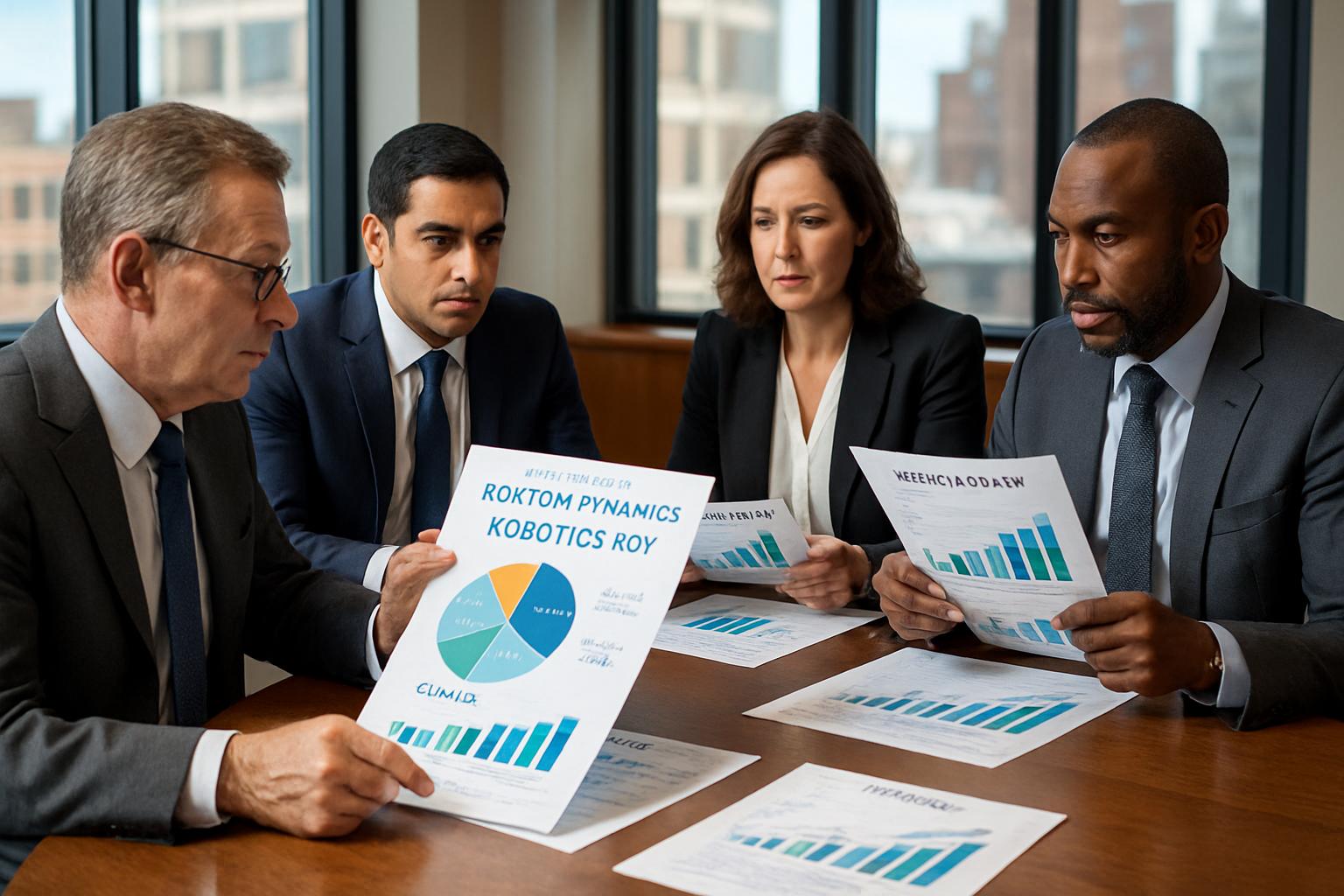
Public statements from Boston Dynamics omit any specific price for Atlas. However, securities analysts in Seoul quoted a $130k–$140k target band. Those figures assume employers want payback within two years against one shift’s labor. Samsung Securities used an $80,000 annual worker cost for the comparison. Therefore, an upfront $130,000 purchase equals roughly 1.6 years of that expense. Alternatively, social media chatter cites a Robot-as-a-Service lease near $12,500 per month. That lease totals about $150,000 yearly, yet the robot could cover multiple shifts nonstop. Atlas Robot operating 24/7 might replace two or three workers, improving ROI despite higher annual payments. Nevertheless, these models exclude maintenance, integration, and safety retrofits that influence true cost of ownership. In short, rumor prices suggest competitive economics, but hard contracts remain absent. Subsequently, labor cost comparisons require deeper ROI analysis discussed next.
ROI Versus Labor Costs
Return calculations hinge on productivity, uptime, and multi-shift coverage. Moreover, employers must add integration engineering, technician salaries, and energy expenses. Academic studies suggest downtime can stretch payback beyond optimistic analyst slides. Boston Dynamics advertises automatic battery swaps and quick task teaching to reduce downtime. In contrast, early Spot deployments showed unexpected maintenance that required on-site specialists. Consequently, analysts recommend scenario modeling rather than single-point estimates. A conservative model might allocate 15% of capital annually for service contracts and spares. Under that assumption, Atlas Robot reaching two-year ROI must replace at least two shifts consistently. Furthermore, human supervisors remain necessary for troubleshooting, adding hidden labor to Factory Automation projects. These variables complicate headline comparisons; the following section examines technical capabilities underpinning them.
Electric Atlas Capabilities Overview
Atlas stands 1.5 meters tall and handles 50-kilogram loads. The 56 degrees of freedom allow near-human reach and wrist articulation. Additionally, tactile sensors in the hands enable nuanced parts sequencing. Water resistance and a -20 °C operating floor suit cold-room Factory Automation niches. Battery swaps reportedly take under one minute, minimizing line disruptions. Boston Dynamics claims many tasks can be taught within a day using demonstration learning. Google DeepMind supplies policy networks that adapt motions to unseen edge cases. Moreover, Hyundai’s Robot Metaplant Application Center will stream real assembly data for continual retraining. Nevertheless, the company has not published verified mean-time-between-failure statistics. Overall, technical sophistication supports the ROI narrative; deployment timelines show when results might materialize. Therefore, the next section maps key milestones.
Deployment Roadmap And Timeline
Hyundai outlined a phased rollout during CES 2026. Initially, Atlas Robot will perform parts sequencing at the Savannah Metaplant in 2028. Subsequently, more complex assembly tasks should enter production around 2030. The automaker expects annual output of 30,000 humanoids once its dedicated facility reaches volume. Meanwhile, NVIDIA and component partners must scale actuators and compute to hit that target. Boston Dynamics will use the RMAC lab to collect motion data and refine behaviors before factory installs. Furthermore, pilot customers outside Hyundai remain unnamed, suggesting a controlled launch strategy. Industry watchers say feedback loops from those pilots will determine reliability perceptions. Consequently, real-world metrics may not surface until late 2029. These dates place commercialization within typical capital planning cycles; policy implications arise in parallel. In contrast, the next section addresses worker impact and regulation.
Risk And Policy Tensions
Labor advocates fear accelerated job displacement as humanoids mature. Nevertheless, Hyundai frames Atlas as complementing workers by taking hazardous roles. UAW representatives have not released a formal response to the Savannah pilot. Policy makers may demand transparency on pricing, safety certifications, and retraining initiatives. Furthermore, OSHA guidelines for collaborative robots could evolve once Atlas enters heavy assembly. Academic experts also highlight liability questions if humanoids injure supervisors. Boston Dynamics says built-in force limits and perception stacks mitigate risks, yet empirical evidence remains sparse. In contrast, optimistic economists argue productivity gains will create upstream jobs in software, logistics, and maintenance. Consequently, the net employment effect will depend on regional policies and retraining budgets. Overall, stakeholders must weigh economic upside against social disruption; strategic takeaways follow. Subsequently, executives can synthesize lessons for near-term planning.
Strategic Takeaways For Leaders
Complex signals can overwhelm decision makers evaluating humanoid adoption. Therefore, distilling action items helps advance grounded strategies.
- Request official pricing from Boston Dynamics before modeling ROI.
- Compare Atlas uptime guarantees with existing automation assets.
- Budget integration, safety, and service inside Factory Automation capital plans.
- Engage workforce councils early to manage reskilling programs.
- Monitor component supply trends to anticipate cost changes.
Additionally, professionals can sharpen due-diligence writing through the AI Writer™ certification. Consequently, teams communicate findings effectively to boards and regulators. Firms that act early may capture productivity tailwinds while shaping safety standards. Overall, disciplined planning converts hype into measurable gains. The concluding section recaps essential insights and invites further exploration.
Humanoid robots are nearing factory primetime, yet many variables persist. Boston Dynamics provides impressive engineering, but transparent pricing remains elusive. However, analyst estimates indicate competitive economics when multi-shift labor is considered. Technical reliability, safety certification, and policy clarity will decide adoption pace. Executives should integrate conservative assumptions and demand contractual uptime guarantees. Boston Dynamics will face scrutiny if real deployments lag the promised roadmap. Therefore, stay informed and explore the certification above to guide your organization through the automation wave.


