

AI CERTs
1 week ago
Biometric Marketing Privacy Faces Retail Pupillometry Scrutiny
Bright store lights are not the only things reflecting in shoppers’ eyes. Consequently, retailers are experimenting with pupillometry to gauge hidden preferences. However, the practice sparks intense Biometric Marketing Privacy debate across the industry. Regulators, technologists, and consumer advocates now ask whether the benefits outweigh looming legal and ethical costs.
Meanwhile, market analysts forecast rapid expansion for neuromarketing tools that measure eye activity. In contrast, peer-reviewed studies reveal modest predictive gains over traditional gaze metrics. This introduction sets the stage for a closer look at science, markets, risks, and next steps.
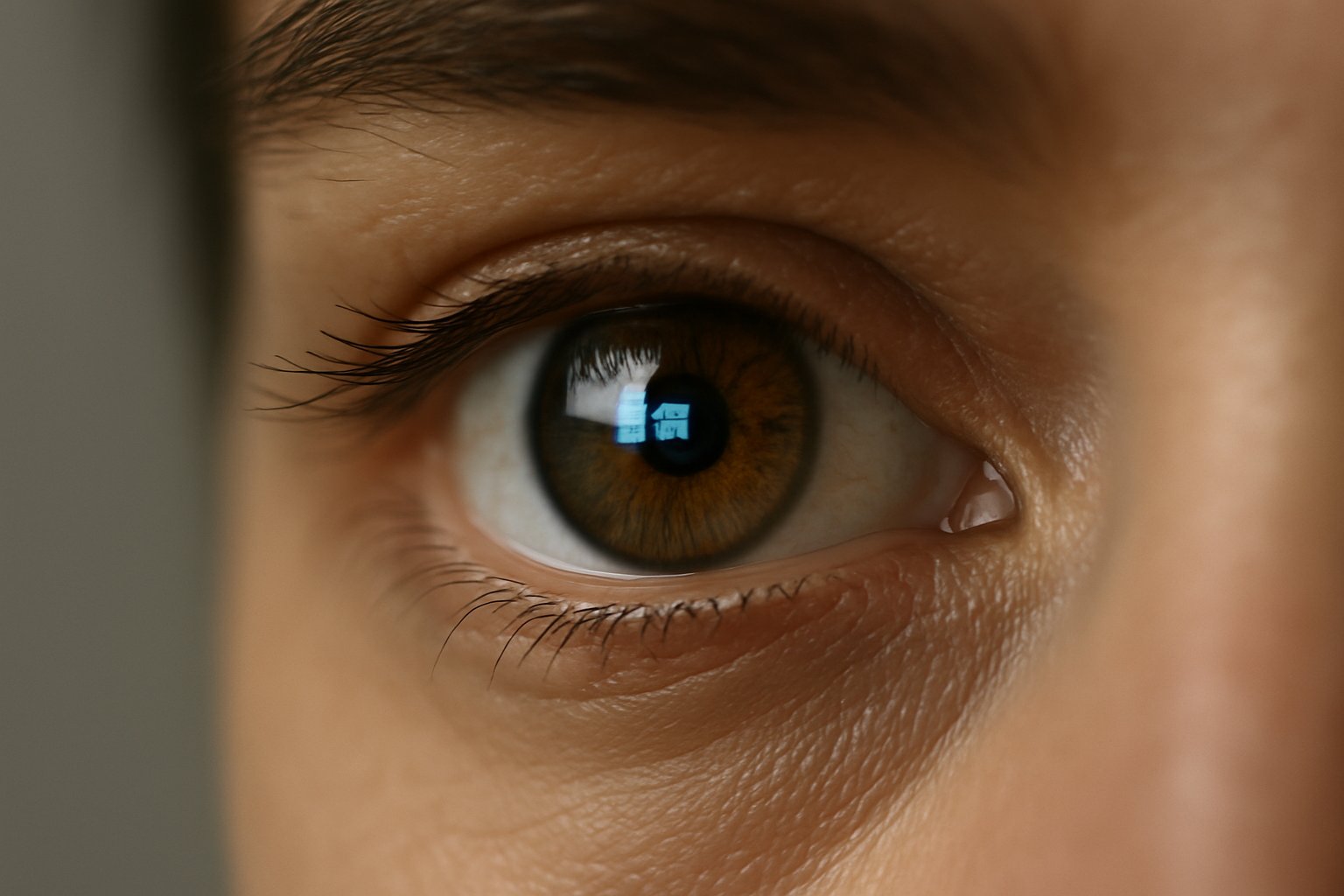
Pupil Tracking Enters Retail
Early adopters run controlled lab sessions where participants wear eye-tracking glasses. Pupil size, gaze, and Behavior metrics converge to refine shelf layouts and signage. Moreover, small in-store pilots recruit shoppers who give explicit consent before sensors activate.
Online tests provide another route. Webcam systems adjust screen luminance, reducing light confounds while capturing real-time Data on arousal. Nevertheless, continuous aisle Surveillance without notice remains rare, partly due to unpredictable lighting.
These pilots hint at commercial promise. However, widescale deployment still lacks independently verified case studies.
The method’s limited scope underlines our first takeaway. Yet, the underlying science demands deeper review next.
Neuromarketing Science Explained Clearly
Pupillometry tracks diameter changes linked to cognitive load and emotional arousal. Additionally, sympathetic nervous activity drives these involuntary responses. Ambient brightness dominates the signal, creating major confounds inside dynamic Retail environments.
Academic work by van Loon et al. shows pupil metrics increase prediction accuracy only slightly. Therefore, gaze duration and click-through remain stronger indicators of shopper Behavior. Furthermore, vendors admit lighting control is essential for reliable Data streams.
Researchers also warn about personal variability. Age, fatigue, and medications shift baseline dilation, complicating models. Consequently, algorithms must normalize signals per individual, raising processing costs.
Science offers actionable nuance yet highlights practical boundaries. Subsequently, commercial interest continues due to projected revenue.
Market Growth Signals Demand
Analyst reports place the neuromarketing sector near USD 1.5–1.9 billion for 2025. Moreover, compound annual growth forecasts range from 7% to 12%. Eye-tracking hardware alone approaches similar valuations, driven by XR headsets and automotive sensors.
- Neuromarketing solutions: up to USD 1.9 billion by 2025
- Eye-tracking devices: roughly USD 1.45 billion the same year
- Projected CAGR: high single to double digits through 2030
Vendor optimism feeds Retail interest, promising single-digit conversion lifts after store redesigns. However, critics counter that many claims rely on vendor Data without peer review. Consequently, finance leaders demand clearer ROI models before signing multi-store deals.
Growing budgets intensify Biometric Marketing Privacy concerns. Therefore, legal departments now scrutinize pilot proposals more closely, as the next section explains.
Legal Risks Loom Large
United States statutes, including Illinois BIPA, regulate collection of biometric identifiers. Furthermore, recent Surveillance lawsuits produced multimillion-dollar settlements against face recognition firms. Retail executives fear similar outcomes if pupil Data is mishandled.
Privacy advocates argue that eye movement and dilation reveal sensitive mental states. Consequently, regulators call for explicit consent, minimization, and short retention windows. Biometric Marketing Privacy compliance thus becomes a board-level priority.
Professionals can strengthen governance frameworks with the AI Project Manager™ certification. Moreover, certified leaders learn to balance innovation with lawful processing standards.
These obligations increase deployment costs and delay timelines. Nevertheless, failure to act invites class-action exposure and reputational harm.
Legal complexity shapes strategic decisions. Subsequently, technical barriers also slow momentum.
Technical Hurdles Slow Adoption
Real stores feature shifting shadows, reflective packaging, and unpredictable shopper paths. Therefore, long-range cameras struggle to capture clean pupil images. Additionally, calibration drifts when customers move outside optimal angles.
Machine-learning models need high-quality Behavior Data to avoid bias. However, noisy inputs force engineers to discard large fractions of frames. Consequently, analytics pipelines become expensive and latency rises.
Hardware costs continue falling thanks to cross-industry sensor production. Yet, integration with existing store networks presents cybersecurity challenges. Surveillance infrastructure must encrypt streams to protect Biometric Marketing Privacy under strict retention rules.
Technical gaps currently cap scale. Nevertheless, ethical questions may pose even tougher obstacles.
Ethics And Future Steps
Critics warn that involuntary physiological signals could enable manipulative messaging. Moreover, transparent notice banners rarely convey the depth of Data collected. Consumers may revolt if they learn subtle stimuli guide purchasing Behavior.
Industry groups propose voluntary standards for disclosure and opt-in controls. In contrast, civil-society organizations demand outright bans on covert eye Surveillance. Debate intensifies as sensor prices drop and competitive pressures rise.
Stakeholders should pursue balanced solutions that respect Biometric Marketing Privacy while unlocking modest performance gains. Clear governance, independent audits, and limited scope trials can build public trust.
Ethical alignment will determine market trajectory. Consequently, executives must weigh short-term returns against long-term legitimacy.
Conclusion
Retailers see promise in linking pupil signals, gaze, and purchase Behavior. However, scientific limits, technical noise, and strict laws constrain immediate expansion. Biometric Marketing Privacy remains the decisive theme shaping investment choices. Moreover, responsible leaders who integrate robust consent frameworks can still extract insights without alienating shoppers.
Consequently, forward-looking professionals should monitor legal updates and deepen skillsets. Explore certifications and industry research today to stay ahead of evolving compliance demands.


