

AI CERTS
3 hours ago
Bill Gates Withdrawal: Inside India AI Summit Shake-Up
India positioned the India AI Impact event as a proving ground for responsible deployment across the Global South. Consequently, any headline overshadowing that objective risked derailing a hard-won diplomatic showcase. Understanding the forces behind the Bill Gates Withdrawal therefore offers valuable lessons on crisis management at scale. Additionally, managers can extract strategic cues for handling reputational threats in real time. We will also highlight certification pathways that help professionals navigate this evolving landscape.
Context Behind The Decision
On 19 February 2026, the Bill & Melinda Gates Foundation abruptly announced the Bill Gates Withdrawal from his 12-minute keynote. However, the statement framed the exit as a move to keep the India conference focused on core priorities.
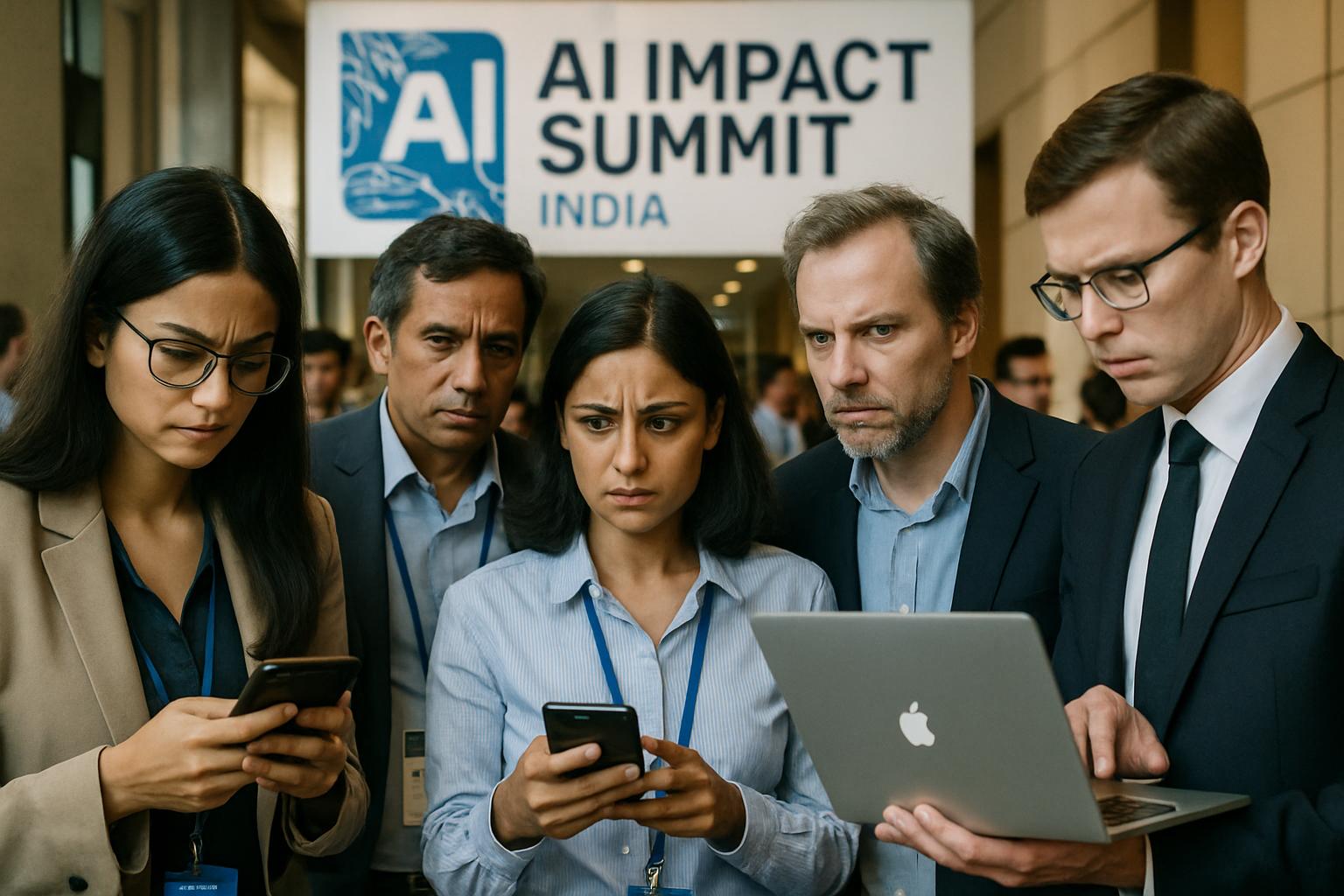
Foundation officials substituted Ankur Vora, president for Africa and India programs, to deliver prepared remarks. Meanwhile, Microsoft’s co-founder remained silent on social platforms regarding the change.
Organiser sources, cited by AP, confirmed they received less than four hours notice. Such tight timing forced real-time agenda adjustments and additional security briefings.
The withdrawal created immediate logistical strain yet prevented potential headline distractions. Consequently, stakeholders shifted quickly, as the next section shows.
Summit Scale And Stakeholders
The India AI Impact Summit recorded over 35,000 registrations across 100 nations. Moreover, CEOs like Sundar Pichai and Sam Altman joined policymakers at Bharat Mandapam. AP reported capacity crowds spanning hundreds of technical sessions and a bustling startup arcade.
Organisers had framed the Summit as the Global South edition of the series, emphasizing implementation over theory. Therefore, a last-minute celebrity absence risked diluting intended messaging on equity and governance.
The Bill Gates Withdrawal overshadowed impressive attendance figures. Nevertheless, that scale magnified reputational risks described next.
DOJ Files Media Pressure
January 2026 saw the Department of Justice release roughly three million Epstein investigation pages. Subsequently, outlets including AP unearthed draft emails that referenced Gates in unverified contexts.
Media attention intensified through February, generating fresh op-eds and political queries worldwide. Gates representatives labelled several claims absurd and reiterated that past meetings with Epstein were mistakes. Nevertheless, commentators predicted that any public appearance could trigger off-topic questioning. Therefore, advisors likely assessed distraction risk against summit value.
The Bill Gates Withdrawal emerged exactly amid that peak coverage window. Observers view the timing as strategic containment rather than logistical accident.
These dynamics reveal how external investigations can contaminate unrelated agendas. Consequently, the next section reviews how the Foundation articulated its stance.
Foundation's Official Public Messaging
The Foundation posted on X, “After careful consideration… Mr Gates will not be delivering his keynote address.” Additionally, the post stressed maintaining focus on AI priorities.
No reference to the DOJ release appeared in the brief statement. Furthermore, spokespersons declined deeper comment when AP followed up by email.
Crisis managers often employ minimalistic language to avoid fueling speculation. In contrast, silence can invite critics to fill gaps with conjecture.
The Bill Gates Withdrawal notice still affirmed the Foundation’s long-term commitment to India health programs.
The wording balanced presence with distance. However, industry peers assessed brand impact, as explored next.
Industry Reaction And Optics
Venture investors attending the Summit noted surprise but little operational disruption. Moreover, several speakers privately applauded the choice, arguing it prevented side-stage protests.
Public relations analysts, interviewed by Reuters and Gates-watching newsletters, offered mixed evaluations. Some praised decisive withdrawal; others argued visibility might have defused rumor cycles.
Notably, Prime Minister Narendra Modi and French President Emmanuel Macron continued headline sessions without schedule slippage. Consequently, mainstream coverage refocused on AI regulation outcomes by day’s end.
Analysts argued the Bill Gates Withdrawal offered textbook material for risk communication courses. Professionals seeking reputational resilience training can enhance competence through the AI for Everyone™ certification.
Immediate sentiment remained divided yet calm. Subsequently, governance implications gained prominence.
Implications For AI Governance
High-profile cancellations influence narrative control around policy summits worldwide. Furthermore, governments may tighten vetting for future celebrity technologists to protect agenda integrity.
India officials hinted at updated contingency playbooks covering keynote substitutions and media blackouts. Moreover, organisers might restrict unscreened audience questions for sensitive guests.
Researchers also warn that social media rumor velocity now matches or exceeds official messaging speed. Therefore, transparent yet rapid communication becomes essential.
The Bill Gates Withdrawal will likely serve as a case study in forthcoming policy workshops.
Governance frameworks thrive on predictability. In contrast, unpredictable exits challenge protocols, leading to our strategic lessons.
Strategic Takeaways For Leaders
Effective crisis playbooks share consistent traits.
- Designate an alternate speaker with complete briefing notes.
- Draft modular statements for varying threat levels.
- Track investigative news through AP alerts and counsel.
- Coordinate with venue security to manage possible demonstrations.
Consequently, these proactive measures can protect organisational credibility even under intense scrutiny.
The Bill Gates Withdrawal demonstrates how swift action limits collateral damage when allegations surface suddenly.
Leaders must merge speed with transparency. Therefore, forward planning remains their strongest shield, as our conclusion shows.
The Bill Gates Withdrawal underscores how personal controversies can reshape large-scale tech events within mere hours. Moreover, the episode shows that measured messaging and rapid contingency planning can steady stakeholder confidence. Organisers contained immediate fallout, yet long-term reputational questions for Gates and the Foundation persist.
Nevertheless, the Summit’s policy discussions on inclusive AI continued, illustrating institutional resilience. Consequently, executives should integrate the lessons above into crisis simulations and speaker agreements. Professionals can build further expertise through the linked certification, strengthening readiness for future challenges. Explore the course today and turn the insights from the Bill Gates Withdrawal into actionable leadership advantages.


