

AI CERTs
2 hours ago
Behavioral Biometric Authentication Systems Challenge Passwords
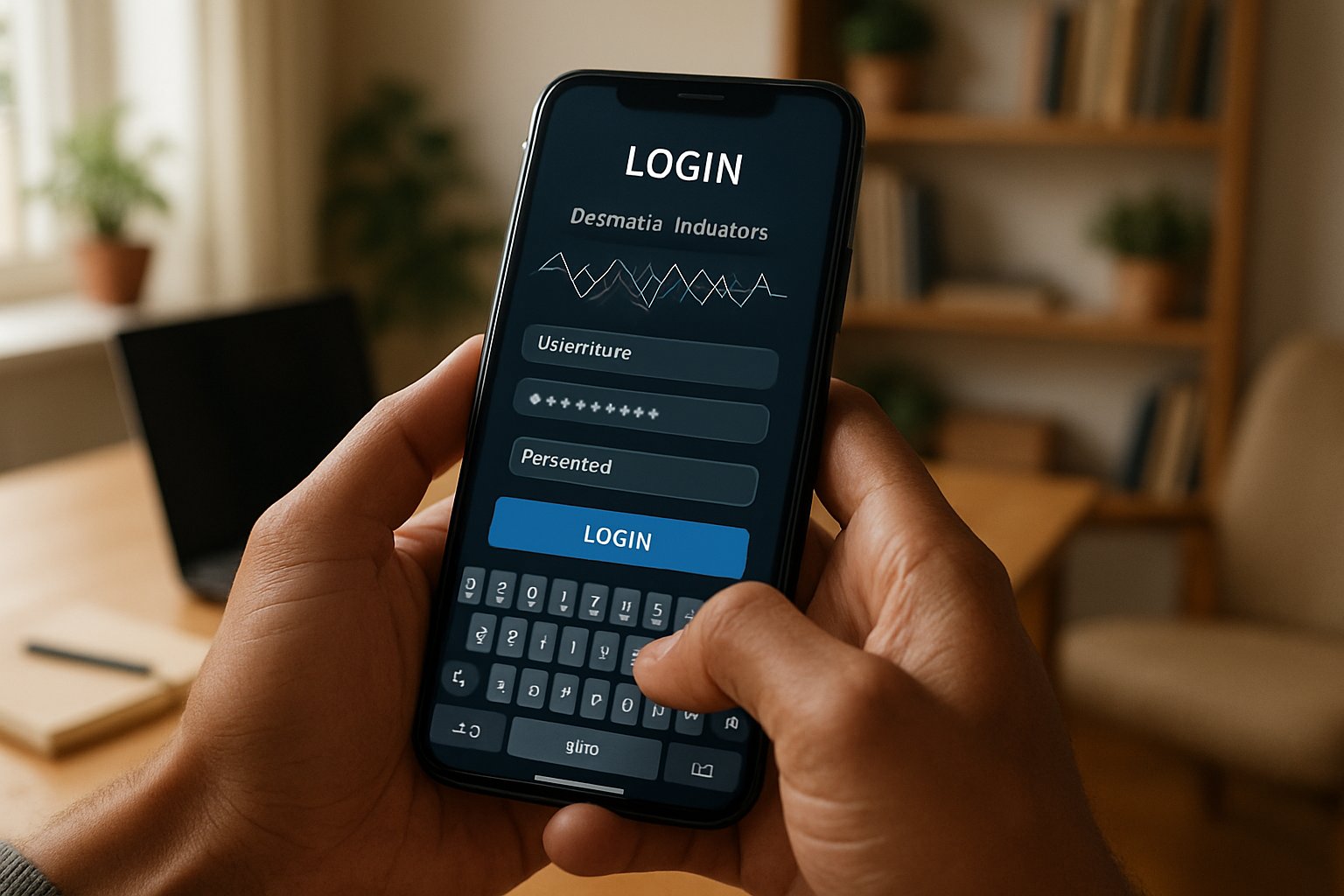
Passwords were born for convenience, not resilience. However, exploding credential theft shows they can no longer stand alone. Consequently, security teams are turning toward continuous, context-rich signals. Behavioral Biometric Authentication Systems promise an always-on defense. They analyze how users type, swipe, and even gaze. Moreover, major guidelines like NIST SP 800-63 now endorse session monitoring. FIDO passkeys remove static secrets, while behavioral signals police the session. Together they reshape identity security AI strategies for global enterprises. This article maps the landscape, vendors, risks, and next steps. Ultimately, executives will learn why passwords face their toughest challenger yet. In contrast, attackers already weaponize deepfakes against static biometrics. Therefore, adaptive behavioral models emerge as critical safeguards against those synthetic threats. Organizations piloting Behavioral Biometric Authentication Systems report early wins in fraud prevention.
Password Threat Landscape Today
Verizon’s 2025 DBIR links 22% of breaches to compromised credentials. Additionally, Specops examined 1.09 billion malware-harvested passwords. Nearly 230 million met common complexity rules, yet still leaked. Consequently, complexity guidance alone cannot defeat large-scale credential stuffing. Identity security AI teams see credential stuffing compose 19% of daily authentication traffic.
- 22% breaches start with stolen credentials (Verizon DBIR)
- 1.09B passwords traded by malware gangs (Specops)
- 19% median daily logins are stuffing attempts
These numbers underline systemic password fragility. However, the next section shows how passkeys change that equation.
Passkey Adoption Surge Ahead
FIDO Alliance tracks more than 15 billion accounts eligible for passkeys. Moreover, Microsoft set new accounts to passwordless by default this year. Passkey logins grew sharply, reaching 36% of eligible accounts in surveyed deployments. Consequently, phishing and credential reuse become harder, because private keys never leave devices. Still, Behavioral Biometric Authentication Systems complement passkeys by watching in-session behavior. Such layered defense strengthens fraud prevention across banking and e-commerce platforms. These adoption trends foreshadow broader market shifts. Therefore, leaders must understand the underlying behavioral science next.
Behavioral Biometric Authentication Systems
The technology profiles keystroke rhythm, mouse velocity, swipe pressure, and device tilt. Algorithms create unique behavioral templates during enrollment without storing raw actions. Subsequently, each session compares live behavior to those templates in real time. If deviation exceeds a threshold, risk engines trigger step-up authentication or termination. Importantly, models adapt continuously, addressing user drift and new devices. Meanwhile, adversarial research warns that single-modality systems are spoofable. Therefore, vendors fuse multiple signals and inject adversarial training data. Behavioral Biometric Authentication Systems now power identity security AI dashboards at banks and fintechs. BioCatch, Transmit Security, and TypingDNA highlight measurable ATO loss reductions. Nevertheless, privacy and revocability challenges demand scrutiny, which the next section unpacks. These specifications frame both promise and caution.
Market Growth And Challenges
Analysts value the behavioral biometrics market at roughly USD 2.8 billion in 2024. Moreover, multiple reports forecast 20-25% CAGR through the early 2030s. Financial services and e-commerce dominate spending, driven by aggressive fraud prevention goals. However, regulators classify behavioral data as sensitive, invoking GDPR and similar regimes. Controllers must perform privacy impact assessments and supply transparent notices.
Deepfake attacks also raise stakes by undermining static biometrics. Consequently, demand for continuous, dynamic signals grows faster than earlier projections suggested. NIST’s 2024 draft now explicitly endorses session monitoring in its guidance. These systems align cleanly with those recommendations.
- Rapid market CAGR: 20-25%
- Regulatory scrutiny over biometric data
- Adversarial spoofing research accelerating
- Operational drift requires retraining
These factors highlight growth opportunities mixed with operational hazards. In contrast, well-governed deployments still outperform password-only baselines dramatically. The next segment details execution guidelines for such governance.
Implementation Best Practice Guide
Successful rollouts start with multi-signal fusion. Therefore, teams combine behavioral templates, device fingerprints, geolocation, and passkeys. Adaptive risk engines weight each signal according to transaction sensitivity. Furthermore, organizations should store templates locally or tokenize them before upload. Privacy engineers must conduct Data Protection Impact Assessments early. Behavioral Biometric Authentication Systems integrate smoothly when architectures follow these principles.
Privacy By Design Rules
Keep raw behavioral traces on-device, not in cloud analytics. Subsequently, share only hashed vectors with central decision engines. Provide clear consent flows and granular opt outs for users. Additionally, document lawful bases under GDPR Article 6 and 9. These precautions support regulatory trust and user acceptance. However, security leaders must still prove technical efficacy.
Testing And Benchmarking Steps
Start with pilot cohorts representing diverse demographics, devices, and languages. Measure Equal Error Rate, False Reject Rate, and attack simulations. Meanwhile, include adversarial scenarios that mimic replay and spoof attempts. Consequently, executives receive realistic performance baselines before large-scale rollout. Professionals can enhance their expertise with the AI in Healthcare™ certification. It covers applied machine learning and governing sensitive medical data, paralleling behavioral deployments. These structured evaluations limit surprises during production.
Organizations deploying Behavioral Biometric Authentication Systems alongside passkeys report double-digit reductions in account takeover attempts. Moreover, help-desk password reset volumes often fall by 50% within months. Consequently, cost savings join security gains, reinforcing executive sponsorship. These business metrics frame the future discussion. Nevertheless, sustaining Behavioral Biometric Authentication Systems requires ongoing model retraining and periodic audits.
These best practices convert innovation into measurable risk reduction. Next, we examine strategic actions and outlook.
Behavioral Biometric Authentication Systems have moved from novelty to necessary control. Moreover, their passive analytics complement passkeys, tightening fraud prevention without frustrating users. Continuous signals detect hijacks that static credentials and legacy biometrics often miss. Nevertheless, privacy design, adversarial testing, and model maintenance remain non-negotiable. Executives should align deployments with identity security AI roadmaps and published NIST guidance. Therefore, investing in skilled teams and relevant certifications accelerates safe adoption. Leaders ready to deepen expertise should review the earlier linked AI in Healthcare™ credential and related offerings. Behavioral Biometric Authentication Systems will define tomorrow’s trust layer; the time to experiment is now.


