

AI CERTS
2 hours ago
Balancing the AI Carbon Footprint With Real Fuel Costs
This article translates the newest lifecycle data into plain metrics any operator or policymaker can trust. Moreover, we contrast AI emissions with Fossil Fuels to reveal proportional risks. Readers will leave with mitigation strategies, governance gaps, and a link to boost professional credentials. Ultimately, responsible scaling demands numbers, not folklore.
Therefore, we dive into fresh disclosures from Mistral, IEA models, and the grid warnings EPRI issued. Meanwhile, Stanford’s AI Index provides trend lines that underpin our comparison framework. Keep these figures handy; the next procurement meeting may depend on them.
AI Carbon Footprint Context
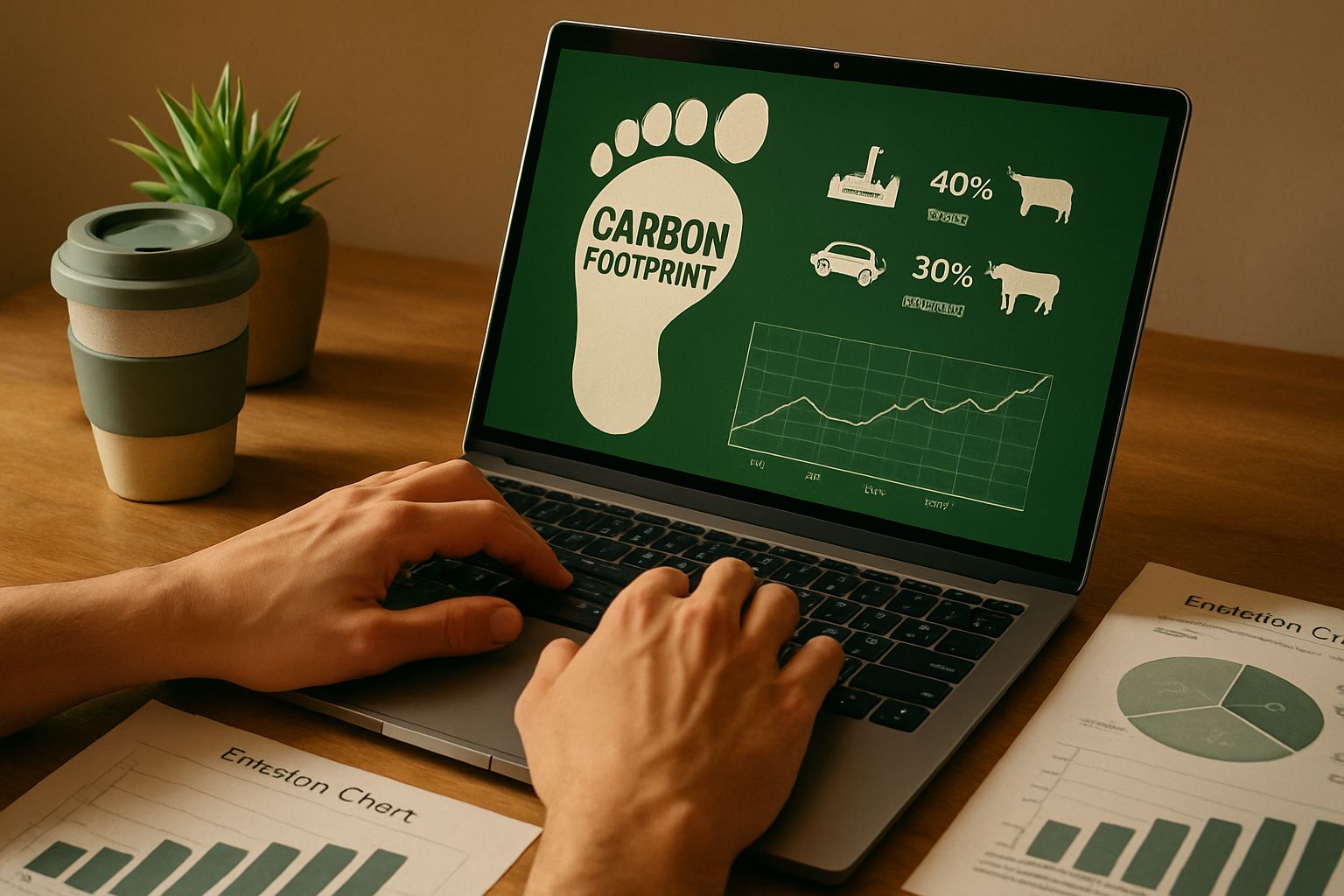
Lifecycle assessments translate GPU hours, water draw, and hardware mining into one comparable metric. Therefore, an AI Carbon Footprint equals the total greenhouse gases emitted across training, inference, and hardware phases. IEA estimates show data centers still contribute under two percent of global Energy demand today. However, their share doubles in certain high-growth scenarios, highlighting why early planning matters. In contrast, global transport emits roughly eight gigatonnes annually, dwarfing current AI totals.
These metrics anchor future debates on proportionality. Consequently, context prevents sensationalism as scaling accelerates.
Why Rapid Scale Matters
Model size and dataset volume grow exponentially, and compute follows closely. Mistral’s LCA reported 20.4 kilotonnes CO2e for one Large 2 cycle. Meanwhile, insiders peg GPT-4 training at 50 gigawatt-hours, around 19 kilotonnes on a U.S. grid. Therefore, each successive model cycle risks adding thousands of tonnes unless efficiency outpaces ambition. Anthropic researchers acknowledge the Climate tension yet argue algorithmic breakthroughs deliver offsetting gains.
Scale drives opportunity and risk together. Subsequently, understanding training emissions becomes critical.
Training Emissions Fully Explained
Training concentrates workload into weeks of nonstop GPU clusters. Consequently, power usage effectiveness, grid carbon intensity, and hardware age dictate actual CO2 output. A worked example clarifies magnitude.
- 50 GWh electricity × 0.39 kg CO2/kWh ≈ 19.5 ktCO2
- EPA passenger car yearly average = 4.6 tCO2
- Mistral Large 2 lifecycle = 20.4 ktCO2e over 18 months
Moreover, the third bullet shows independent verification, not speculative math. Anthropic sources still withhold raw logs, limiting peer scrutiny. Therefore, policy analysts call for mandatory run-level disclosure, similar to vehicle efficiency labels.
Transparent numbers transform abstract debates. However, current opacity slows responsible procurement.
Inference Emissions Add Up
Once deployed, models answer billions of queries, and each token consumes incremental Energy. Mistral measures a 400-token reply at 1.14 grams CO2e on renewables-heavy infrastructure. However, millions of users would multiply that impact beyond training totals within months. Consequently, workload location and scheduling become as important as hardware selection. Anthropic runs inference clusters in hydro regions to cut water and carbon intensity.
Inference constitutes the long tail of emissions. Therefore, smart deployment policies remain indispensable.
Transport Comparison Provides Context
Stakeholders often compare AI with tailpipes to grasp scale. Using EPA factors, 19 kilotonnes equals roughly 4,200 passenger-car years. Meanwhile, transport globally emits eight gigatonnes annually, four orders higher. Nevertheless, grid stress occurs locally, unlike dispersed vehicle emissions. Therefore, siting decisions determine whether regional impacts mimic heavy industrial loads. Fossil Fuels still dominate transport, yet AI centers risk delaying grid decarbonization if demand outpaces renewables.
Context shows AI remains small globally. However, local hotspots warrant proactive policy.
Emerging AI Mitigation Pathways
Industry engineers pursue three complementary levers. Firstly, hardware advances improve FLOPS per watt, slashing operational Energy. Secondly, algorithmic tricks like sparsity and quantization cut computation without accuracy loss. Thirdly, siting clusters on low-carbon grids or using hourly renewable matching directly trims the AI Carbon Footprint. Moreover, procurement teams can buy additional clean capacity, ensuring net neutral growth. Professionals can enhance their expertise with the AI Cloud Steward™ certification.
Consequently, trained staff link technical decisions with organisational ESG targets. Anthropic supports these practices publicly, advocating carbon-aware schedulers in multicloud environments. Nevertheless, continued demand growth could erase gains if adoption lags behind compute scaling.
Effective levers exist and keep improving. Therefore, coordinated adoption remains vital.
Urgent Disclosure Standards Needed
Standardised reporting underpins every credible Climate strategy. Mistral collaborated with ADEME to publish hardware-inclusive LCAs, setting a precedent. In contrast, many labs release only blog claims without supporting data. Consequently, regulators and investors now ask for auditable energy logs, grid factors, and water metrics. The AI Carbon Footprint remains contested until such verification tools reach maturity. Moreover, the IEA and EPRI propose template disclosures aligned with GHG Protocol scopes. Fossil Fuels accounting evolved similarly, offering a model for AI transparency. Subsequently, harmonised standards will ease cross-industry comparisons and speed mitigation commitments.
Data transparency accelerates everything else. However, voluntary efforts may not suffice.
Key Strategic Takeaways Ahead
Executives should track five priority actions.
- Quantify every training run precisely.
- Shift workloads to low-carbon grids.
- Invest in efficiency R&D before scaling.
- Publish annual AI Carbon Footprint reports.
- Upskill teams through accredited sustainability certifications.
Furthermore, align AI growth with Climate targets already pledged to investors. Consequently, risk managers avoid future retrofit costs and reputational hits. Fossil Fuels history shows late action compounds liabilities. The AI Carbon Footprint will stay under scrutiny as governments update Energy regulations. Therefore, proactive leaders shape the conversation rather than react to it.
These steps convert risk into advantage. Ultimately, disciplined disclosure builds lasting trust.
The AI Carbon Footprint may never rival Fossil Fuels globally, yet local effects already matter. Moreover, transparent numbers, efficient hardware, and low-carbon siting can restrain operating emissions. Consequently, disciplined governance keeps innovation politically sustainable. Therefore, organisations should calculate their AI Carbon Footprint today and publish the methodology. Professionals can lead that effort by earning the linked certification and embedding best practice companywide.
In contrast, delaying measurement invites regulatory scrutiny and stakeholder doubt. Consequently, a credible AI Carbon Footprint narrative will become a competitive differentiator tomorrow. Act now to shape that narrative before others define it for you. Explore the certification link and start shrinking your AI Carbon Footprint immediately.


