

AI CERTs
1 hour ago
Autonomous Transport: Robot Taxis Go Electric
Robotaxis are finally leaving prototype garages and entering crowded streets worldwide. Consequently, investors and regulators watch the shift with renewed intensity. At the heart of this rollout stands Autonomous Transport powered by electric vehicle platforms. Moreover, battery costs keep falling, letting operators consider 24/7 duty cycles without tailpipe emissions. Global alliances between software teams and automakers accelerate industrial scale.
However, technical, regulatory, and financial hurdles still influence every deployment decision. This article unpacks the forces steering electric robotaxis, their economics, and the outlook through 2030. Readers will also find guidance on skills that support policy readiness for automated fleets. Subsequently, you will see why proactive training remains essential for leadership roles in this sector.
Electric Platforms Take Hold
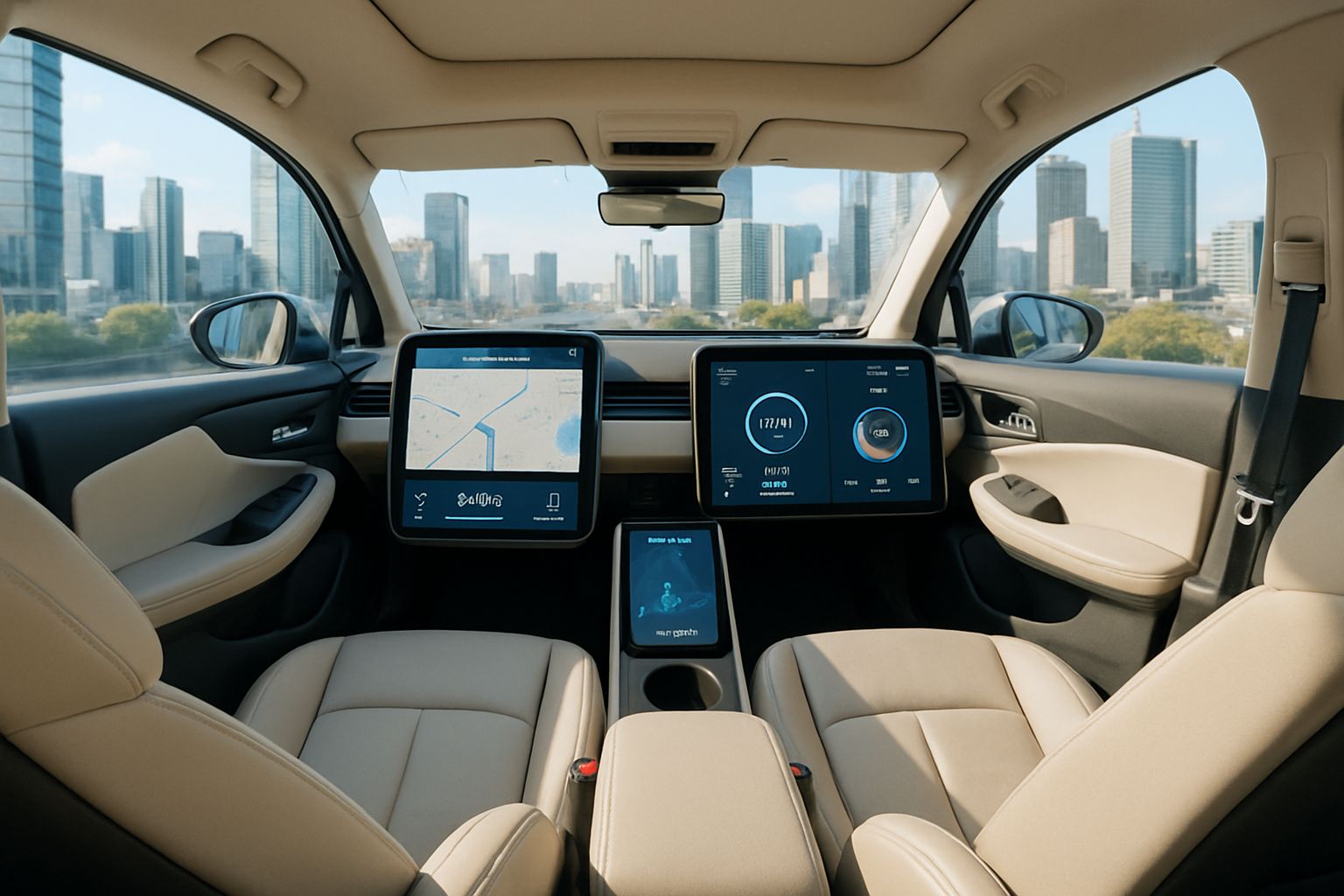
Battery-electric vehicles have become the default chassis for self-driving fleets within 24 months. In contrast, internal combustion prototypes now appear mainly in museums and early research papers. Waymo, Motional, Zoox, and Uber partnerships all highlight electric dominance from Las Vegas to Phoenix. Therefore, Autonomous Transport benefits from quieter rides, instant torque, and simplified mechanical systems.
Furthermore, charging infrastructure matures alongside fleets, with utilities offering dynamic tariffs for overnight depot charging. Consequently, operators can plan predictable costs and optimize battery rotations during low demand windows. Missy Cummings still warns that real-world testing remains irreplaceable, regardless of platform choice. Nevertheless, the momentum toward electric platforms shows no sign of reversing.
Electric dominance provides the foundation for rapid robotaxi scaling. However, platform selection strategies diverge, leading to retrofit and purpose-built debates next.
Retrofit Versus Purpose Built
Retrofitting production EVs offers speed and lower capital demands. Waymo converts Jaguar I-Pace cars at a dedicated Magna facility in Arizona. Moreover, steering wheels stay intact, easing regulatory sign-offs. Purpose-built pods like Zoox sacrifice familiar controls but maximize cabin space, sensors, and battery cooling.
In contrast, General Motors paused its Origin pod and pivoted toward a next-gen Bolt retrofit. Consequently, investors saw reduced tooling risk and faster time to revenue. Autonomous Transport strategies therefore balance optimization against immediate scalability. Battery placement and thermal paths differ across the two approaches, influencing efficiency under peak demand.
Both routes aim to satisfy regulators and passengers at acceptable cost. Subsequently, partnerships define which path gains global traction.
Key Partnerships Driving Scale
Capital intensity forces alliances between software startups and established automakers. Uber, Lucid, and Nuro signed a 20,000-vehicle deal to fill ride-hailing demand. Meanwhile, Stellantis joined NVIDIA and Uber to market AV-ready electric platforms. These moves propel Autonomous Transport toward weekly ride volumes once unthinkable.
- Waymo targets one million weekly trips using retrofitted EVs across expanded urban corridors.
- Uber–Lucid–Nuro plan lifts fleet efficiency with 20,000 electric Gravity SUVs.
- Stellantis brings NVIDIA chips and AV software into cost-optimized EV platforms.
- Zoox scales purpose-built pods at a new Hayward battery assembly facility.
Furthermore, shared charging depots allow partners to pool grid upgrades and negotiate favorable tariffs. Consequently, fleet efficiency climbs and downtime falls. Autonomous Transport thus becomes a network story, not a single company narrative. Strategic partnerships will keep shaping hardware roadmaps. However, economics still decide ultimate winners.
Economic And Environmental Math
Fleet operators chase cents per mile because margins stay razor thin. Electric drivetrains slash maintenance and energy outlays compared with gasoline taxis. MarketsandMarkets sizes the robotaxi opportunity near $46 billion by 2030. Grand View Research places the ceiling much higher, illustrating forecasting uncertainty.
Moreover, utilization rates matter more than sticker price when modeling payback periods. Analysts estimate energy accounts for nearly 40% of lifetime operating expenses. Therefore, even small efficiency gains translate into millions in annual savings for large fleets. Battery health degrades under continuous cycling, so predictive analytics protect residual values. Therefore, operators integrate charging windows with demand forecasts to preserve efficiency.
Silicon And Chips Race
Computation drives autonomy, and chips now represent a growing share of bill-of-materials. NVIDIA, Mobileye, and custom ASIC teams compete on performance per watt. In contrast, every watt saved extends range and postpones costly midday charging. Consequently, chips choices link directly to vehicle efficiency and bottom lines. Autonomous Transport economics favor players who align silicon, energy storage, and software roadmaps. Meanwhile, regulators test whether savings translate into consumer benefits.
Regulatory And Safety Hurdles
City officials approve deployments street by street, often after headline-making incidents. Cruise suspensions in San Francisco illustrate how quickly confidence can evaporate. Nevertheless, Waymo logged 127 million rider-only miles without a fatality, boosting public trust. Meanwhile, NHTSA evaluates emergency maneuver performance and data transparency.
Regulators also scrutinize battery fire risks and roadside recovery protocols. Autonomous Transport companies therefore release quarterly safety reports to maintain goodwill. Moreover, municipal agencies demand proof of equitable urban service coverage. Failure to meet those commitments can freeze new permits.
Stronger oversight raises compliance costs but also filters weak players. Consequently, growth forecasts remain conditional on ongoing regulatory cooperation.
Outlook For Market Growth
Analysts split over how fast fleets will expand beyond pilot zones. MarketsandMarkets projects a 92% CAGR, signalling explosive potential. In contrast, moderate projections assume cautious city rollouts and battery supply constraints. Moreover, chips availability could tighten if demand from other sectors spikes suddenly. Urban planners also influence trajectory through zoning for curb space and fast chargers.
Autonomous Transport leaders continue lobbying for standardized rulebooks to unlock cross-city scalability. Furthermore, professionals can validate policy skills with the AI Government™ certification. Consequently, depot real estate near transit hubs may become a strategic asset. Investors already buy parking structures to convert them into fast-charging yards. Moreover, insurance premiums will likely fall as datasets prove lower crash rates. Such reductions further strengthen the economic case for automated fleets.
Market growth depends on aligned hardware, software, and regulation. Therefore, the conclusion reviews action points for stakeholders.
Conclusion And Next Steps
Electric robotaxis have progressed from laboratory curiosities to commercial contenders. Consequently, Autonomous Transport now stands on firmer economic and technical ground. Fleet owners still juggle battery longevity, chips supply, and regulatory trust. Nevertheless, partnerships and energy efficiency improvements are accelerating deployments across dense urban markets. Autonomous Transport success will hinge on transparent safety data and standardized rulebooks. Furthermore, leaders who understand policy frameworks can seize first-mover advantages. Professionals should therefore pursue advanced credentials and monitor evolving city guidelines. Start today by reviewing the certification link above and sharing this insight with your teams.


