

AI CERTS
1 day ago
Autonomous Robotics Trial Targets Aramco
This planned Security Pilot highlights how Saudi Arabia aims to localize advanced patrol technologies while strengthening perimeter safety. Industry observers see the announcement as another milestone for large-scale robotic deployments.
However, experts note that the agreement remains conditional on pilot acceptance. Nevertheless, the news underscores the sector’s rapid advance. Energy operators worldwide now treat robotic patrols as critical infrastructure. Therefore, investors and engineers are watching this Gulf test closely because success could unlock massive follow-on contracts.
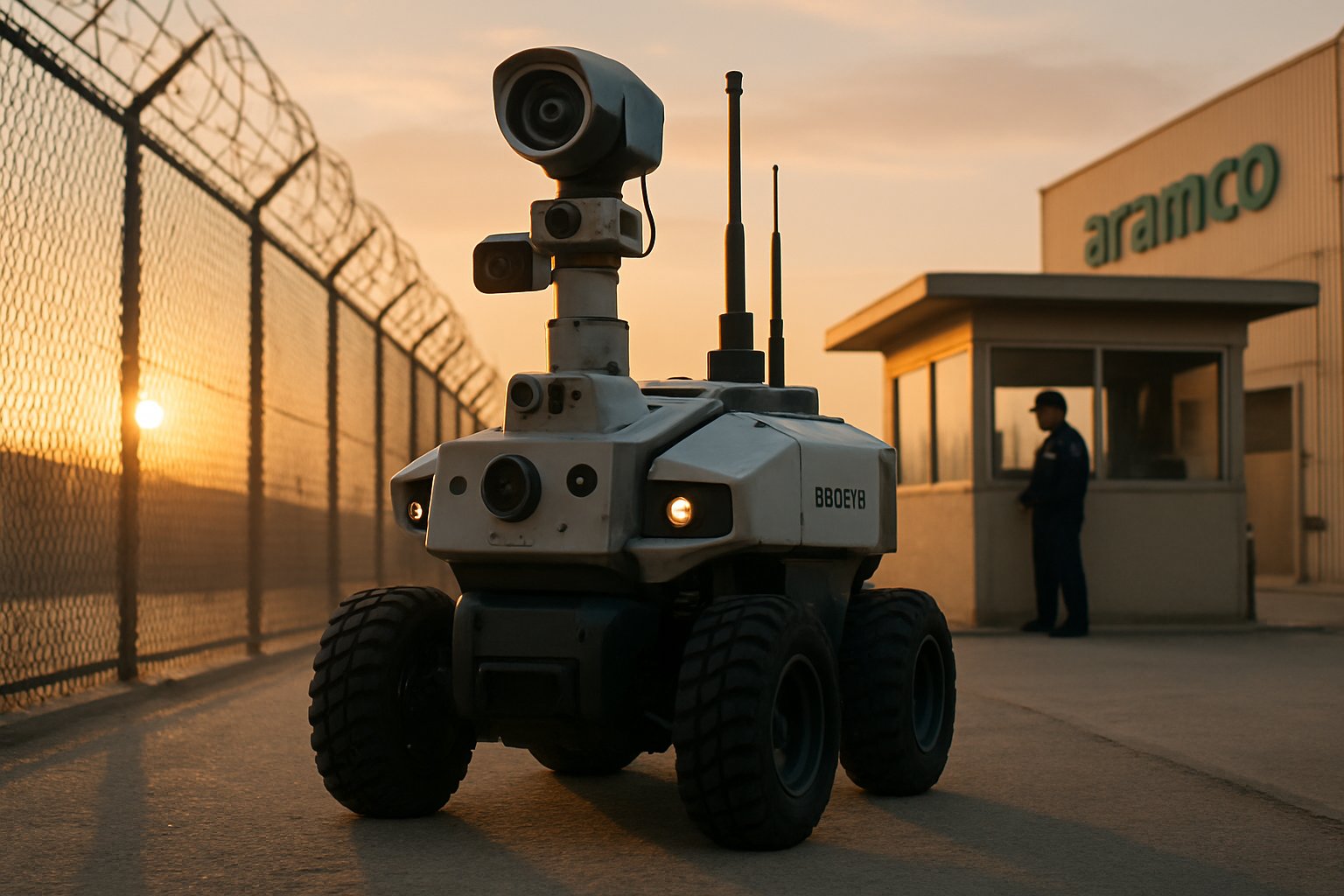
Autonomous Robotics Deal Context
Micropolis, listed on the NYSE, develops unmanned ground vehicles equipped with AI modules for surveillance. Meanwhile, Riyadh-based QSS AI & Robotics will integrate and support the platforms locally. The LOI covers a joint effort to commercialize the systems within Saudi Arabia, starting with the upcoming field trial at an Aramco site. Furthermore, the document outlines an intent—yet not an obligation—to procure up to 500 robots after the evaluation.
Fareed Aljawhari, Micropolis CEO, stated that the collaboration “expands our reach into the Kingdom.” In contrast, analysts caution that no independent Aramco confirmation has emerged. Consequently, stakeholders await evidence that the December test begins on schedule. These conditions frame the story’s importance while tempering immediate expectations.
These deal details reflect rising corporate interest. Subsequently, market participants will scrutinize pilot results before committing capital.
LOI Signals Market Momentum
The security robots segment was valued at roughly USD 16.5 billion in 2023, according to Grand View Research. Moreover, forecasters project mid-teens compound growth through 2030 driven by energy, defense, and logistics clients. Therefore, Micropolis hopes its Gulf showcase will secure an early beachhead in a lucrative arena.
Additionally, Saudi Arabia funnels public and private funds into domestic robot manufacturing. Localization aligns with Vision 2030 targets, offering incentives for companies that build intellectual property inside the Kingdom. Consequently, the Micropolis–QSS alliance could satisfy policy mandates while reducing import reliance.
The market backdrop strengthens the project’s rationale. However, success still hinges on technical validation at the upcoming Security Pilot. Stakeholders will monitor uptime, detection accuracy, and ease of integration. These metrics will shape follow-on purchasing decisions. Subsequently, broader rollouts could accelerate regional adoption.
Saudi Partnership Details Unveiled
Under the LOI, QSS will handle assembly, training, and lifecycle support. Furthermore, the company plans a local factory to shorten supply chains. Autonomous Robotics platforms need continuous maintenance, spare parts, and software updates. Therefore, regional backing becomes a core success factor.
The pilot will involve the Premises Security Forces Command, a branch of the Interior Ministry. Additionally, the test site reportedly includes hazardous zones that demand ATEX-rated hardware. Micropolis claims its M01 and M02 units meet industrial standards, yet independent certification remains pending.
These commitments illustrate strategic collaboration. However, absent third-party validation, doubts linger about readiness for large-scale deployment. Consequently, both firms face pressure to publish performance data quickly.
Strong local support could mitigate technical hurdles. Meanwhile, transparent reporting will influence investor confidence.
Market Drivers And Risks
Several forces push energy groups toward ground robots:
- 24/7 patrolling in harsh weather improves incident response.
- Autonomous thermal imaging reduces human exposure to flares.
- AI analytics lower operational costs through predictive maintenance.
However, notable risks persist:
- Cybersecurity threats against edge devices.
- Privacy concerns over facial recognition.
- LOI non-binding status may delay revenue.
Moreover, oil-and-gas sites feature explosive atmospheres requiring rigorous safety testing. In contrast, warehouse robots rarely face such certification hurdles. Therefore, engineering margins shrink when designing ruggedized units.
These drivers and risks paint a balanced picture. Subsequently, the December trial will clarify feasibility and return on investment.
Technical Highlights And Challenges
The M01 platform carries lidar, radar, and optical sensors. Additionally, the Microspot module performs real-time behavior analysis at the edge. Autonomous Robotics algorithms fuse these feeds to navigate and detect anomalies without human intervention. Meanwhile, operators can assume manual control via Mission Planner software when required.
Nevertheless, harsh desert heat and electromagnetic interference can degrade sensor accuracy. Moreover, private 5G networks must provide low-latency links across expansive sites. Consequently, QSS will deploy resilient communications to maintain command integrity.
Professionals can enhance their expertise with the AI for Everyone™ certification. Furthermore, such credentials help engineers design robust, ethical AI systems for critical infrastructure.
These technical facets reveal both innovation and complexity. Therefore, the pilot will serve as a proving ground for system endurance.
Strategic Outlook For Stakeholders
Micropolis hopes positive results unlock the optional 500-unit order. Moreover, success would validate its go-to-market model across other Gulf operators. Autonomous Robotics vendors globally will watch contract negotiations for pricing and support benchmarks.
Investors, meanwhile, may treat demonstrated field performance as a catalyst for capital infusion. However, failure to meet acceptance criteria could delay expansion and dent sentiment. Government bodies in Saudi Arabia also stand to gain localized manufacturing jobs if the project scales.
Finally, Aramco could benefit from improved surveillance and reduced safety incidents. Nevertheless, public confirmation is still necessary to establish full credibility.
These forward-looking dynamics underscore commercial stakes. Subsequently, December’s Security Pilot will influence regional procurement strategies.


