

AI CERTs
2 hours ago
Automated Enforcement Cameras Stir Global Privacy Reckoning
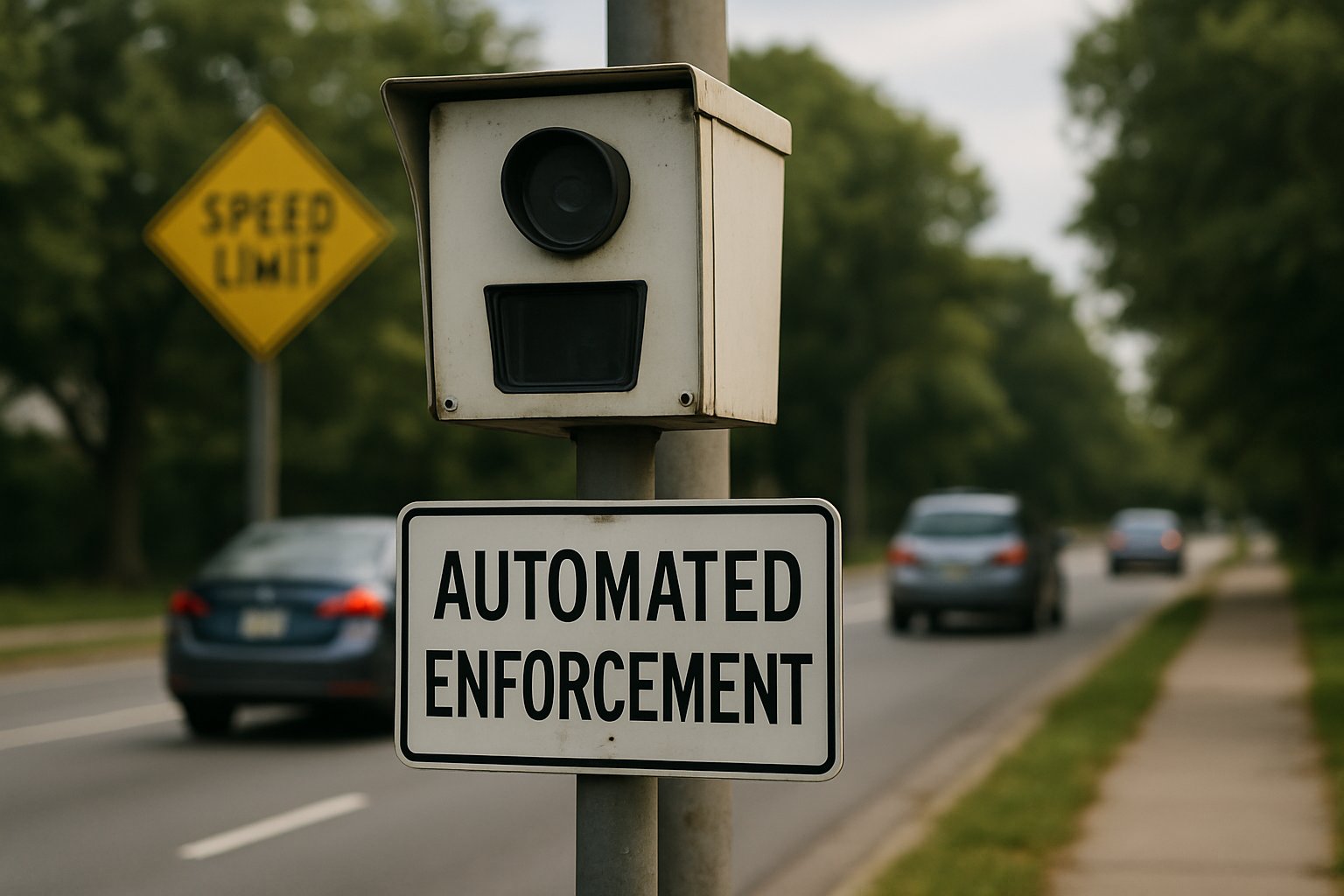
A single camera on Athens' Syngrou Avenue logged 1,000 violations within four days. Similar numbers are emerging from Dubai, Denver, and Melbourne pilot zones. The common thread is Automated Enforcement powered by advanced computer vision. Cities now capture infringements once invisible to human patrols. Consequently, revenue spikes and collision-reduction promises dominate council presentations. However, critics warn of expanding Big Brother systems that threaten Privacy and Civil Liberties. The resulting clash has placed Automated Enforcement at the heart of global surveillance debates.
Industry forecasters estimate the ALPR market already approaches 1.8 billion dollars. Moreover, investors expect double-digit growth as analytics mature. Meanwhile, lawmakers scramble to update guardrails before adoption accelerates further. This article unpacks the technology, flashpoints, and policy options for professionals following the fast-moving field. Additionally, it highlights certifications that can sharpen strategic oversight skills. Read on for a balanced, data-driven perspective.
Global Rollouts Accelerate Rapidly
Greece provided the latest illustration of scale. Eight trial cameras documented thousands of red-light and phone violations within one month. Similarly, New South Wales expanded distracted-driving Automated Enforcement after vendor Acusensus reported promising detection rates. Moreover, Dubai police announced radar upgrades capable of spotting eight offences simultaneously. Market researchers consequently project rising camera shipments across North America, Europe, and the Gulf. Automated Enforcement therefore appears set to become default traffic infrastructure within five years.
Cognitive Market Research values global camera analytics at nearly ten billion dollars by 2028. North America remains the largest purchasing bloc due to interconnected law-enforcement networks. Europe, meanwhile, ties funding to Vision Zero road Safety goals. These rapid deployments illustrate momentum. However, momentum also magnifies societal stakes discussed next.
Denver Debate Intensifies Further
City councils often become battlegrounds once contracts renew. Denver offers a vivid example. In May 2025, the council rejected a multi-year Flock Safety proposal over data sharing worries. Nevertheless, Mayor Mike Johnston later approved a shorter extension with extra audit clauses. Weekly community meetings drew homeowners, cyclists, and ride-share drivers. Speakers questioned algorithmic accuracy during snowstorms and plate obstructions. Police answered that officers still verify every flagged hit before action.
Community speakers compared perpetual plate scanning to Big Brother streetlights. Police, in contrast, cited 111 cameras that delivered millions of investigative leads monthly. Privacy advocates responded that mission creep already allowed federal lookups despite local rules. Consequently, Denver plans an independent audit before any 2026 renewal. These events underscore that Automated Enforcement adoption is never merely technical. Next, we examine vendor messaging.
Benefits Vendors Frequently Highlight
Vendors pitch a straightforward value proposition. They promise fewer crashes, faster investigations, and efficient staffing.
- Acusensus reports 15% drop in phone use after warnings.
- Flock states ALPR alerts recovered 800 stolen vehicles in 2025.
- Rekor claims analytics cut manual review hours by two-thirds.
Independent audits, however, expose significant false-positive challenges. An Evanston pilot recorded a 12% incorrect plate read rate during night hours. Consequently, hundreds of warning letters required manual cancellation. Such rework eroded promised efficiency savings. Moreover, disputed tickets fostered resentment that hampered future technology votes. Supporters instead frame Automated Enforcement as a neutral referee devoid of human bias. Police chiefs argue that persistent presence discourages dangerous speeding. However, evidence remains preliminary and often vendor-collected. These claimed gains require scrutiny. Therefore, the next section tackles emerging Civil Liberties objections.
Rising Civil Liberties Concerns
Advocacy groups invoke chilling analogies to historical Big Brother state surveillance. EFF warns that location databases can paint intimate driver portraits. Additionally, retention periods sometimes stretch years, amplifying Privacy risks. False plate reads further threaten legal fairness. In contrast, vendors insist human review mitigates errors. Nevertheless, public records show limited transparency around audit trails. Civil Liberties lawyers therefore demand independent accuracy testing and deletion schedules.
University criminologists note that constant monitoring can shift driving culture but may also displace offences to side streets. Meanwhile, civil engineers warn of drivers braking suddenly near camera zones, raising rear-end collision risks. Balanced impact studies remain scarce, leaving policymakers reliant on vendor case studies. These challenges highlight critical gaps. Subsequently, attention shifts to data sharing practices.
Data Sharing Flashpoints Emerge
Unauthorized access often ignites controversy faster than any ticket volume. Illinois auditors found federal lookups occurring despite municipal restrictions. Meanwhile, Denver will require quarterly logs open to the public. Such measures acknowledge the Big Brother narrative gaining traction. Moreover, edge processing promises smaller datasets but cannot stop relational searches across jurisdictions. Automated Enforcement programs thus succeed or fail on governance design.
Tokenization of plate numbers offers one mitigation, replacing raw identifiers with reversible hashes. However, law-enforcement officials argue hashing complicates cross-state crime investigations. Standards bodies are therefore studying interoperable confidentiality-preserving protocols. These flashpoints reveal technical fixes alone are insufficient. Therefore, strategic policy choices demand careful balance.
Edge Versus Cloud Tradeoffs
Choosing processing location shapes both Safety impact and Privacy exposure. Edge units analyze images locally, then send metadata for citation workflows. Consequently, bandwidth drops and raw footage seldom leaves the pole. Cloud analytics, in contrast, enable centralized model updates and multi-city searches. However, these advantages magnify breach surfaces and mission creep potential. Professionals assessing Automated Enforcement must weigh latency gains against amplified Civil Liberties worries.
Edge inferencing also reduces decision latency, improving red-light timing adjustments in adaptive signal systems. Yet city IT departments warn of higher maintenance costs for thousands of dispersed processing nodes. This technical fork directs coming policy debates. Next, we explore those paths.
Policy Paths Moving Forward
Lawmakers worldwide face difficult trade-offs while drafting guardrails. Model ordinances increasingly require public hearings before any Automated Enforcement launch. Moreover, best practice documents cap retention at 30 days absent a court order. Transparency portals subsequently publish monthly heat maps, query counts, and audit outcomes. Some regions also assign independent ombuds offices to hear Civil Liberties complaints. Additionally, tiered penalty schemes decouple revenue from Safety targets.
Professionals seeking deeper expertise can pursue the AI Everyone Essentials™ certification. Consequently, skilled leaders steer procurement toward accountable designs. These emerging frameworks aim to reconcile Safety gains with Privacy safeguards. However, broad adoption still hinges on vigilant oversight discussed in closing. Model legislation in California includes sunset clauses demanding reauthorization every three years. In Europe, upcoming AI Act provisions will classify behavioral analytics as high risk technology. Consequently, vendors must certify conformity before municipal procurement can proceed.
Conclusion
Automated Enforcement has moved from experimental pilot to contested mainstream in scarcely five years. Rollouts deliver undeniable detection power and promised Safety benefits. Nevertheless, Privacy watchdogs expose data brokering, unverified accuracy, and mission creep risks. Consequently, councils, vendors, and regulators must establish transparent audits, short retention, and strong access controls. Professionals informed by both technical and legal dimensions will shape equitable outcomes. Keeping pace with evolving rules demands continuous professional development. Therefore, continuous education remains essential. Start by reviewing the linked certification and share this analysis with colleagues overseeing camera procurements. Timely action today can balance innovation with fundamental Civil Liberties tomorrow.


