

AI CERTS
3 months ago
Atos operations sale reshapes Latin America services
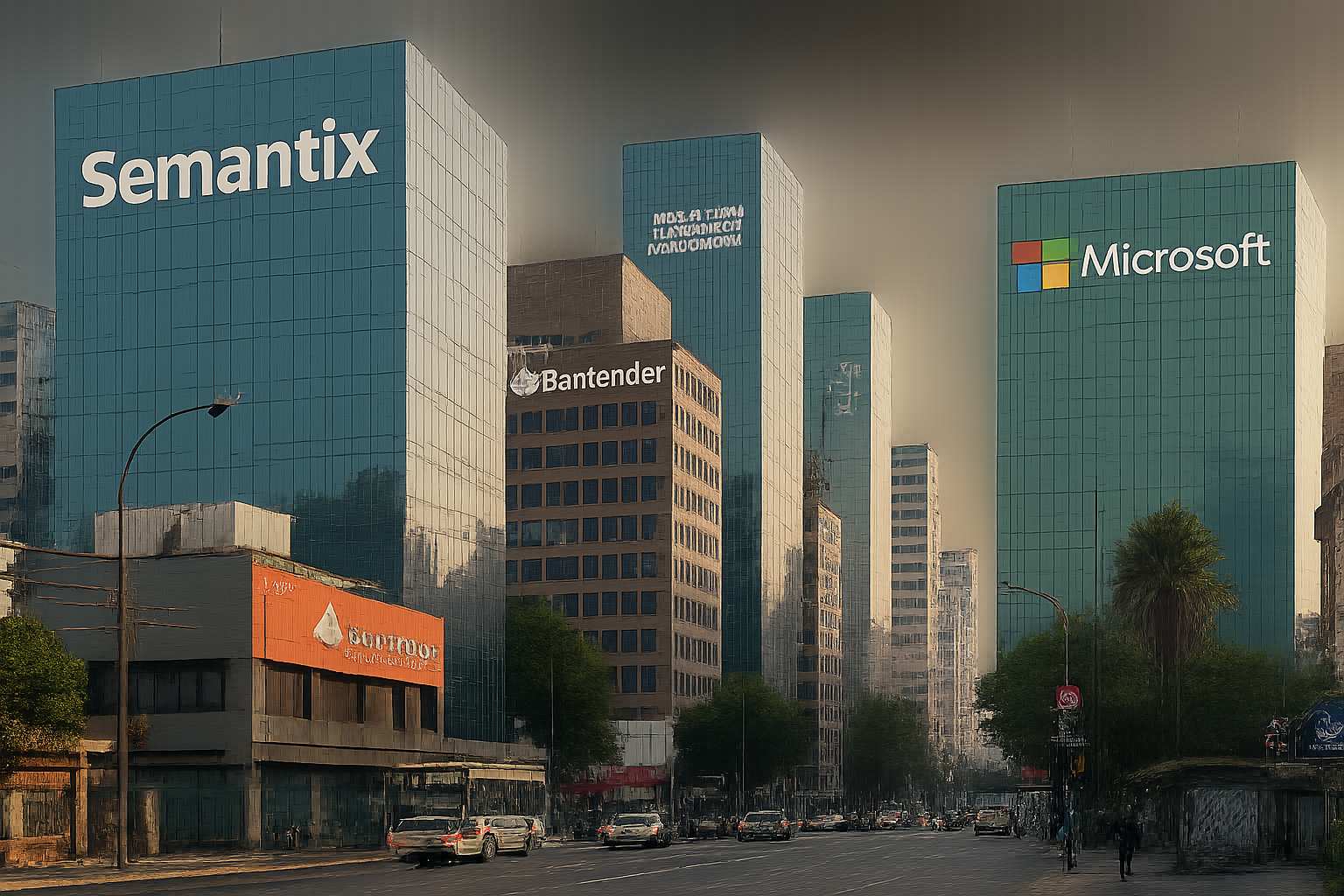
Meanwhile, Semantix gained instant scale across Brazil, Argentina, Chile, Colombia, Peru, and Uruguay. Moreover, the buyer described the deal as a “historic milestone” for regulated sectors seeking governed artificial intelligence. Analysts therefore see strategic alignment between data-centric ambitions and the acquired delivery footprint. This introduction outlines key facts before deeper analysis.
Deal Overview And Context
Atos signed a binding agreement with Semantix covering roughly 2,800 employees. However, financial terms remain undisclosed. The perimeter includes client contracts, local assets, and operating licenses. Reuters confirmed the transaction hours after the official release, bolstering credibility.
Furthermore, the Atos operations sale continues a pattern of geographical pruning. Earlier in 2025, the French state bought Atos’s advanced computing unit. In contrast, today’s transaction focuses on mainstream IT services and managed operations. Semantix will assume control once regulatory approvals conclude in the coming months.
These facts establish the immediate scope. Subsequently, attention shifts to the strategic plan driving this latest divestment.
Genesis Plan Driving Divestment
The Genesis plan began after Atos reduced gross debt by €2.1 billion in December 2024. Consequently, leadership vowed to simplify the group, exit low-margin regions, and prioritize cloud-enabled secure solutions. The Atos operations sale fits those promises.
Additionally, Genesis targets improved profitability through streamlined governance and sharper market focus. Digital modernization, cybersecurity, and artificial intelligence sit at the program’s core. Therefore, Latin America’s stand-alone scale no longer matched capital allocation priorities.
Moreover, selling boosts liquidity while avoiding further borrowing amid tightened credit markets. These strategic motives clarify why Atos chose divestment over incremental investment. However, success still hinges on flawless execution, explored later.
This strategic backdrop highlights Genesis momentum. Nevertheless, buyer motives are equally important for a balanced view.
Buyer Strategy And Expansion
Semantix specializes in AI platforms and data analytics services. The company already serves banks, retailers, and public agencies across Brazil. Yet leadership sought rapid expansion into neighboring countries. Therefore, acquiring Atos’s regional arm offers immediate multi-country presence.
Nelson Campelo, current Atos South America chief, will become Semantix CEO after closing. Consequently, client continuity appears safeguarded. Leonardo Santos Poça D’água, Semantix founder, moves to Executive Chairman and will focus on product innovation.
Furthermore, Semantix gains access to global methodologies and delivery processes honed within Atos. However, integration risks remain, especially around harmonizing toolsets and HR policies. The Atos operations sale thus represents both opportunity and execution challenge.
These strategic motives show why Semantix acted quickly. Subsequently, we quantify expected financial and workforce effects.
Financial And Workforce Impact
Atos employs about 67,000 people worldwide. The sale removes roughly 4% of staff and associated cost base. Consequently, management expects lighter overhead and improved group margins.
The table below summarizes key numbers:
- Employees transferred: 2,800
- Annual group revenue: ≈ €10 billion
- Debt reduction achieved (2024): €2.1 billion
- Reported regional revenue (2025): undisclosed, estimated low single-digit percent of group sales
Additionally, Atos may realize cash proceeds, although the amount stays confidential. Meanwhile, Semantix must fund onboarding expenses, regulatory fees, and potential system migrations.
Moreover, employees face uncertainty over benefits harmonization. Nevertheless, leadership promised career continuity and new digital upskilling pathways. Professionals can enhance their expertise with the Chief AI Officer™ certification.
These numbers outline tangible effects. However, several operational risks deserve equal scrutiny.
Risks And Mitigation Steps
Contract novation presents the most immediate threat. Clients often require explicit consent before supplier changes. Consequently, delayed approvals could postpone completion.
Furthermore, regional labor rules differ significantly. Works council consultations, severance parameters, and union negotiations vary across six jurisdictions. Therefore, Semantix created a dedicated integration office to coordinate compliance.
Additionally, cultural alignment demands careful attention. Atos’s process-driven environment contrasts with Semantix’s startup heritage. Nevertheless, joint task forces aim to merge best practices.
In contrast, cyber risks may rise during system migrations. Both firms pledged layered governance to protect regulated data. The Atos operations sale will test those safeguards.
These mitigation plans address immediate concerns. Subsequently, broader client implications emerge.
Implications For Global Clients
Many multinational clients relied on Atos for end-to-end services spanning continents. However, divesting South America may fragment delivery models. Consequently, contract renegotiations could adjust scope, pricing, or service-level metrics.
Meanwhile, Semantix touts deeper regional expertise and agility. Moreover, new AI capabilities might accelerate client transformation roadmaps. Digital newcomers may welcome localized innovation pipelines.
Nevertheless, some procurement teams prefer suppliers with worldwide reach. Atos must therefore reassure customers that nearshore hubs in Mexico, India, and Europe can offset the footprint loss. The company has already communicated transition briefings.
These dynamics illustrate potential client shifts. Next, attention turns to closing milestones and future outlook.
Next Steps And Outlook
Regulatory filings across Brazil and neighboring markets will dominate early 2026 headlines. Approvals typically span antitrust, foreign investment, and data-handling domains. Atos and Semantix expect completion within “the coming months.”
Subsequently, Semantix will roll out unified branding and integrated delivery frameworks. Furthermore, Atos plans to channel freed capital into cloud security product development. The Atos operations sale therefore marks a pivot toward higher-margin growth engines.
Additionally, analysts will monitor whether Genesis meets 2026 profitability targets. Successful divestment execution could restore investor confidence after turbulent restructuring years.
These milestones will define transaction success. Consequently, industry leaders should track regulatory updates and integration progress.
Conclusion
Atos has chosen strategic focus over geographic spread. The Atos operations sale advances the Genesis plan, reduces complexity, and funds innovation. Conversely, Semantix secures cross-border expansion and enhanced AI credibility. However, integration, labor, and client retention risks remain. Nevertheless, proactive mitigation efforts and strong leadership appointments inspire cautious optimism.
Forward-looking executives should follow closing developments and evaluate new regional partnership models. Moreover, upskilling remains essential in a fast-moving digital economy. Therefore, consider the Chief AI Officer™ certification to strengthen strategic leadership capabilities.


