

AI CERTS
1 hour ago
Apple’s Personal AI Assistant Gets Actionable With Siri Overhaul
These improvements arrive alongside a hybrid partnership with Google's Gemini technology announced in January 2026. Therefore, the iPhone, iPad, and Mac gain enterprise-grade automation inside the familiar interface. Meanwhile, developers receive Foundation Models hooks that let any app participate in the same orchestration. This article dissects the platform timeline, core technical shifts, and business implications. Readers will learn how actionable intelligence reshapes mobile workflows and what to expect as adoption accelerates.
Global Market Forces Shift
Voice and chat assistants already represent a multibillion-dollar segment. Consequently, research firms project double-digit compound growth through 2030. Enterprise demand for reliable task execution is driving platform differentiation. In contrast, previous generations offered only conversational novelty. Apple observed that gap and aligned investment accordingly. However, hardware gating limits full Apple Intelligence features to A17 Pro iPhones and M-series Macs. Market analysts expect accelerated upgrade cycles as a result.
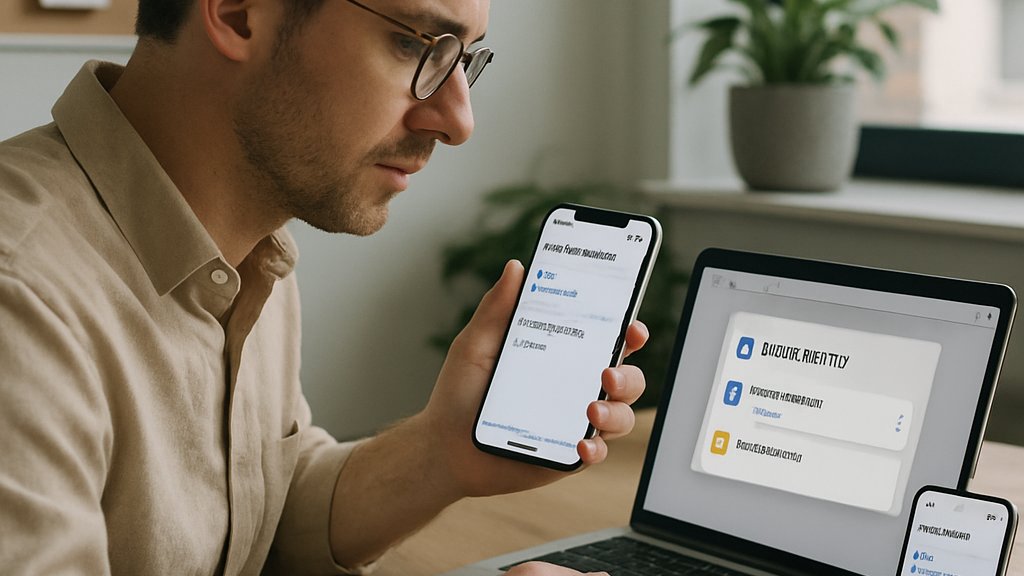
These trends demand a Personal AI Assistant that truly executes user intent. Consequently, Apple Intelligence is expanding its feature set.
Apple Intelligence Features Deepen
Apple Intelligence debuted in late 2024 with writing tools, image creation, and Live Translation. Since iOS 26, the layer extends into system frameworks and the Shortcuts app. Furthermore, developers can call Foundation Models directly to summarize emails or extract personal context from documents. On-screen awareness lets the engine detect parcel numbers and suggest follow-up reminders. Moreover, low-latency inference runs locally, preserving privacy while cutting mobile assistant lag. Heavier reasoning moves to Apple's Private Cloud Compute, which now integrates Gemini model weights. Consequently, the Personal AI Assistant delivers richer answers without sacrificing user trust.
Feature depth matters because enterprise tasks are nuanced. Nevertheless, the Siri overhaul provides the missing execution layer.
Siri AI Is Reborn
Siri AI finally matches the system-level authority promised a decade earlier. Instead of returning text, the assistant now chains commands across Calendar, Mail, and third-party apps. Additionally, it reads on-screen information to maintain personal context during conversations. For example, users can say, “Reschedule the meeting to Friday and notify the team.” Siri AI performs each step. Moreover, the assistant surfaces suggestions proactively when emails reference flights or shipments. Consequently, task execution feels less like scripting and more like conversation. Early testers report significant time savings during daily mobile workflows.
The upgraded engine turns Siri into a dependable Personal AI Assistant. Subsequently, Shortcuts integration pushes actionability even further.
Actionable Shortcuts Arrive
Shortcuts has long given power users automation superpowers. However, many people avoided complex flows due to steep learning curves. The new “Use Model” action lets Apple Intelligence summarize data, branch logic, and invoke OS commands. Furthermore, templates pack domain recipes, letting marketers auto-generate campaign briefs and schedule follow-up tasks. Developers can embed similar hooks inside their apps, creating seamless workflows without extra code. Consequently, the Personal AI Assistant becomes a visual programming partner instead of a passive chatbot. Apple claims significant adoption among TestFlight builds, yet official metrics remain private.
Actionable Shortcuts democratize sophisticated task execution across the ecosystem. In contrast, third-party models promise even broader choice.
Privacy And Hybrid Design
Apple continues marketing privacy as a core differentiator. Moreover, lightweight requests run entirely on device silicon. Meanwhile, complex reasoning moves to Private Cloud Compute protected by ephemeral containers. In contrast, other vendors route everything through shared public clouds. Apple Intelligence therefore balances response speed, energy consumption, and regulatory compliance. Siri AI signals when it leaves the device, sustaining user trust. Security researchers will still demand audits, yet the architecture sets a high bar.
The hybrid design safeguards data while enabling rich personal context usage. Consequently, businesses can consider sensitive deployments confidently.
Business Impact Emerging Now
Actionable assistance reshapes enterprise mobility in three measurable areas. First, reduced tap fatigue raises employee satisfaction and lowers support tickets. Second, the Personal AI Assistant compresses multi-step approval workflows into conversational prompts. Third, on-device inference minimizes latency, improving customer response times inside field apps. Furthermore, executives anticipate new revenue streams from subscription extensions inside the mobile assistant.
- Grand View values virtual assistant market at $12.9B during 2024.
- Analysts forecast 24% CAGR for enterprise AI agents through 2029.
- IDC expects 850 million Apple devices to meet AI hardware requirements by 2027.
Professionals can boost skills with the AI Customer Service Leader™ certification. Consequently, firms deploying Apple Intelligence gain both technical capability and trained talent.
These indicators reveal tangible commercial upside. Nevertheless, adoption faces technical and regulatory hurdles.
Adoption Challenges Remain Ahead
Not every region will receive full functionality during 2026. EU regulators require additional documentation before Siri AI gains clearance. Therefore, enterprises operating across borders must plan fallback experiences. Additionally, reliance on Google Gemini creates supplier dependency concerns. Some critics fear Apple may throttle third-party models that outperform its own Personal AI Assistant. Meanwhile, Shortcuts still demands technical literacy, limiting task execution for less experienced staff. Developers also await transparent performance metrics to justify engineering investment. Nevertheless, Apple’s track record suggests iterative refinement and expanding hardware support.
Risks remain but appear manageable with planning. Subsequently, organizations should pilot solutions and gather internal data.
Conclusion And Next Steps
Apple’s latest releases transform the Personal AI Assistant from adviser to operator. Consequently, Siri AI, Apple Intelligence, and Shortcuts now converge to deliver meaningful task execution within rich personal context. Professionals benefit from a mobile assistant that shortens workflows and safeguards data. Moreover, organizations can train staff and validate strategy through the linked certification program. Therefore, start evaluating the Personal AI Assistant across priority processes. Request early access, build prototype workflows, and measure efficiency gains today. Adopt the Personal AI Assistant early to secure competitive advantage before rivals catch up.
Disclaimer: Some content may be AI-generated or assisted and is provided ‘as is’ for informational purposes only, without warranties of accuracy or completeness, and does not imply endorsement or affiliation.


