

AI CERTS
1 hour ago
Apple’s New Consumer AI Features Revamp Core Apps
Siri AI Takes Center
Siri has long lagged behind rival assistants. However, Siri AI now accesses screen context, personal data, and app actions in real time. The assistant runs small requests on device while routing complex queries to Private Cloud Compute. Therefore, response quality rises without sending permanent personal records to external clouds. Bloomberg reports Apple licenses a 1.2-trillion-parameter Gemini model, strengthening generative reasoning inside Siri.
Nevertheless, Apple maintains privacy leadership by controlling servers and encrypting transient data flows. WWDC demos showed Siri drafting trip plans within Messages using multiple apps. Siri AI also triggers Consumer AI Features like rewritten emails or instant image descriptions inside Messages. Siri AI finally feels proactive, contextual, and secure. Subsequently, architecture details reveal why those gains matter.
Hybrid Architecture Explained Clearly
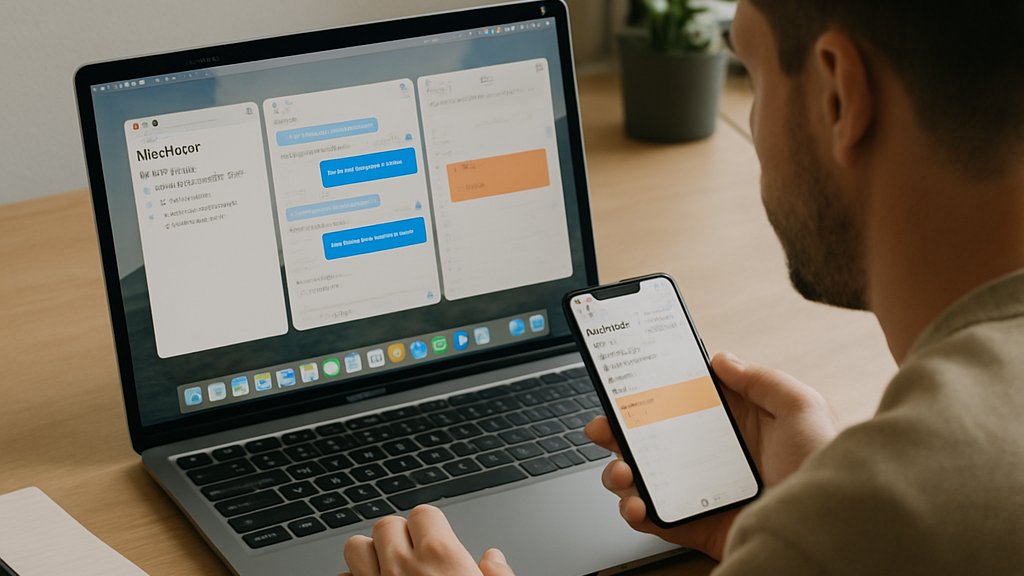
Apple adopted a hybrid on-device and server strategy. On-device Apple Foundation Models handle quick language rewrites, notification summaries, and visual recognition. Meanwhile, heavy multimodal reasoning routes to Private Cloud Compute running larger AFM server variants. Consequently, latency stays low while battery impact remains modest. Apple Intelligence branding signals that this design pervades every user experience, not only Siri. Developers tap the same infrastructure through App Intents and Shortcuts hooks. However, advanced Consumer AI Features remain restricted to devices with A17 Pro or M-series chips. This hybrid model balances power, privacy, and cost. Therefore, it underpins the broader Apple Intelligence App Reach next.
Apple Intelligence App Reach
The new Apple Intelligence umbrella expands far beyond voice assistance. In Messages, users can generate playful images, rewrite text tone, and summarize long threads instantly. Mail drafts concise replies automatically, while Notes creates action lists from meeting transcripts. Moreover, Photos leverages on-device vision models for object removal and context captions. Across the suite, Consumer AI Features surface through a consistent contextual menu marked by a sparkle icon.
This design standard reinforces discoverability and teaches users where generative help lives. Additionally, productivity tools like Keynote gain AI image generation and storyboard assistance. Platform AI orchestration lets a single request pull data from Calendar, Reminders, and third-party finance apps.
- Mail: auto summaries, tone rewriting, priority sorting.
- Messages: emoji-style Genmoji images from text prompts.
- Photos: object removal with one tap clarity.
- Notes: live transcription into actionable tasks.
- Music: playlist creation based on mood descriptors.
Consequently, workflow friction drops, encouraging deeper app integration across Apple’s ecosystem. Apple Intelligence now touches every daily task through subtle yet powerful cues. Meanwhile, developers gain new levers, explored next.
Developer Ecosystem Opportunities Expand
Xcode 18 introduces an LLM-powered code completion assistant. Furthermore, the Foundation Models framework exposes text, vision, and speech APIs for custom Consumer AI Features. Developers declare App Intents, allowing Siri to execute tasks like paying invoices or posting social updates. In contrast, earlier automation required brittle URL schemes and user scripts. App integration now benefits from secure sandboxing, entitlement checks, and user confirmation prompts. Moreover, Apple offers revenue opportunities through premium model choices and subscription upgrades.
- Early access technical support for AFM APIs.
- Featured placement for compliant Siri actions.
- Reduced App Store fees for AI-heavy subscriptions.
Professionals can validate skills through the AI Foundation Essentials™ certification, strengthening credibility. Consequently, the developer ecosystem should accelerate innovation across platform AI experiences. Developers now wield richer tools, market incentives, and certification pathways. Subsequently, attention shifts to looming risks.
Regulatory And Strategic Risks
Apple confirmed delays for Siri AI within the European Union. The Digital Markets Act demands open interoperability that Apple argues could expose sensitive Consumer AI Features. Consequently, European users may face staggered rollouts and limited functionality. Strategic dependence on Google’s Gemini also raises cost and negotiation uncertainties. Furthermore, device gating could frustrate owners of older hardware. Analysts warn that upgrade pressure may amplify electronic waste and income divides. Nevertheless, Apple defends its position, citing Neural Engine requirements for on-device platform AI. In Messages, some generative image features will require iPhone 16 silicon at launch. Moreover, regulators may scrutinize Private Cloud Compute data practices despite Apple’s privacy claims. Regulation, supply partnerships, and hardware limits temper Apple’s otherwise ambitious rollout. However, strategic planning suggests viable paths forward, covered next.
Future Outlook And Actions
Market momentum favors Apple given its 2.5-billion-device distribution advantage. Analysts expect rapid adoption once Consumer AI Features appear in annual operating system updates. Moreover, platform AI integration will push competitors to deepen their own ecosystems. Businesses building productivity tools should prioritize App Intents compatibility and clear privacy disclosures. Additionally, marketing teams must prepare messaging that highlights Consumer AI Features without overpromising abilities.
Investors should watch the $1B annual Gemini outlay and EU compliance negotiations. Professionals can stay relevant by completing the linked AI Foundation Essentials™ course and experimenting with new SDKs. Consequently, early movers will gain brand visibility and user loyalty. Apple’s AI trajectory appears durable despite notable hurdles. Therefore, now is the time to align product roadmaps with the rising Apple Intelligence tide.
Key Takeaways
Apple has reframed personal computing around Consumer AI Features that feel native, private, and helpful. These Consumer AI Features span productivity tools, entertainment, and communication, creating sticky daily habits. However, realizing full value demands careful app integration, transparent data practices, and continuous skill development. WWDC 2026 offered only the opening chapter; subsequent releases will refine platform AI and regional availability. Moreover, regulatory shifts could still reshape deployment timelines.
Organizations should pilot Apple Intelligence capabilities early, measure gains, and adjust upgrade strategies accordingly. Professionals eager to lead should secure the linked certification and share lessons within their teams. Consequently, those embracing Consumer AI Features today will shape tomorrow’s user expectations.
Disclaimer: Some content may be AI-generated or assisted and is provided ‘as is’ for informational purposes only, without warranties of accuracy or completeness, and does not imply endorsement or affiliation.


