

AI CERTS
2 hours ago
Apple-Google pact reshapes Mobile OS Intelligence landscape
Moreover, enterprises must grasp how the deal alters voice-assistant roadmaps, cloud workloads, and competitive balances. Throughout this analysis, the term Mobile OS Intelligence appears often, because it defines the emerging category where operating systems embed large-language smarts. Readers will also encounter the secondary themes: iPhone scale, Gemini capabilities, strategic Partner roles, and general Intelligence advances.
Deal Signals Market Shift
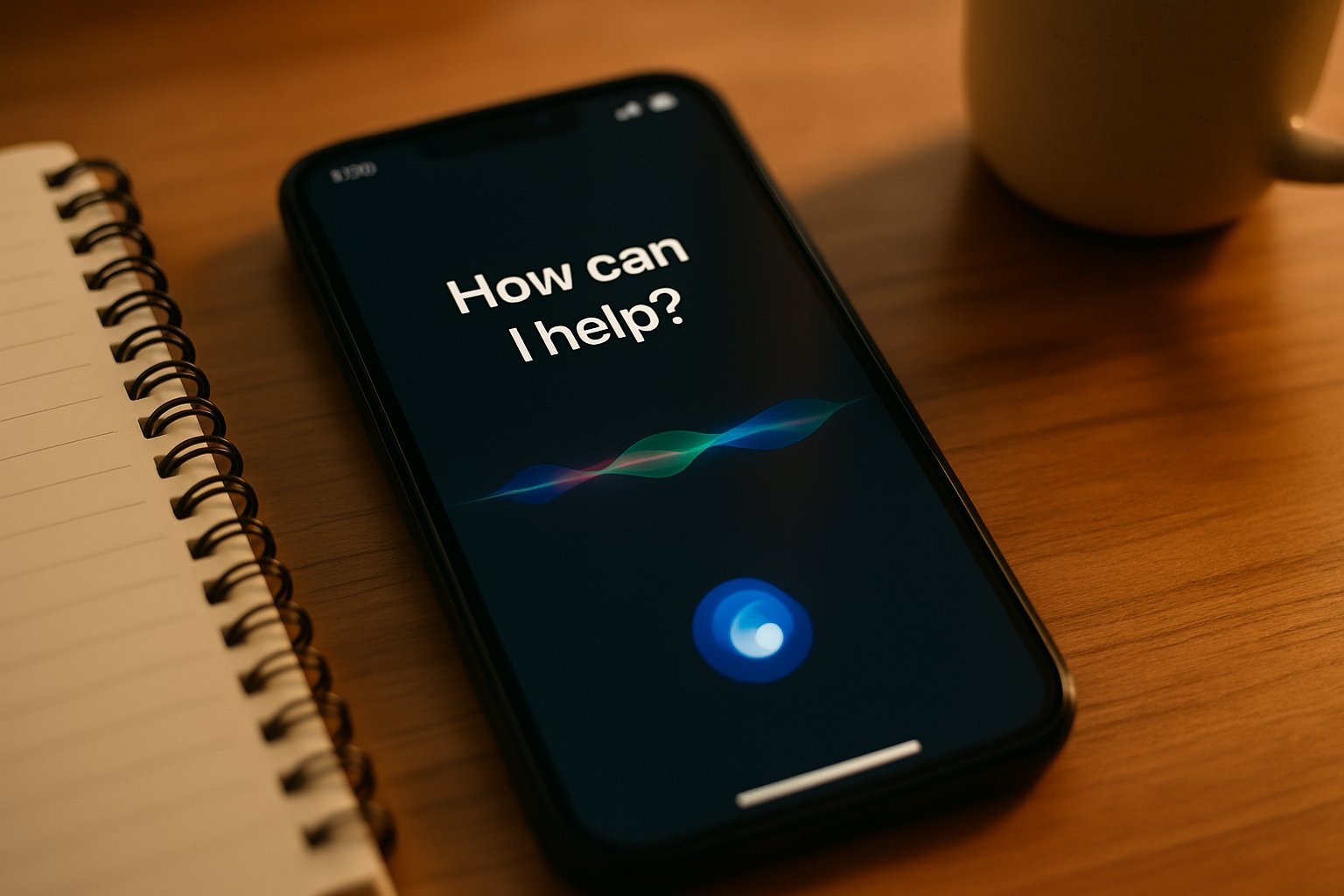
Apple’s public statement calls Google the “most capable foundation” for future Mobile OS Intelligence efforts. Bloomberg reports Apple may pay roughly $1 billion yearly for a custom 1.2-trillion-parameter Gemini variant. However, official financial terms remain undisclosed. Analysts argue Apple gains speed to market while Google secures influence inside the rival platform.
Install base scale matters. Apple confirmed more than 2.5 billion active devices during its Q1 FY2026 earnings call. Therefore, any Gemini-powered Siri rollout instantly reaches a vast audience and could reset user expectations across every iPhone, iPad, and Mac.
- 2.5 billion active Apple devices
- ~$1 billion reported annual payment
- 1.2 trillion parameters estimated for the model
These figures underscore the collaboration’s gravity. Consequently, competitors like Microsoft and OpenAI must rethink their own Mobile OS Intelligence deployment strategies. The data also frames regulatory interest, which we explore later.
These deal metrics highlight strategic heft. Meanwhile, technical details drive further scrutiny.
Technical Stack Explained Clearly
Apple says Gemini will run within its on-device plus Private Cloud Compute framework. Furthermore, only heavyweight inference leaves the device, and even then, Apple controls the cloud layer. In contrast, Google supplies model weights, tuning expertise, and supporting infrastructure.
Gemini Summarizer Planner Roles
Reportedly, Gemini powers two new Siri modules. The “summarizer” compresses long emails or PDFs. The “planner” chains multi-step tasks, such as arranging lunch and booking transport. Moreover, Apple’s home-grown models still handle simple offline requests, preserving latency benefits for every iPhone.
Such modularity reflects Apple’s cautious embrace of external AI. Nevertheless, some engineers question whether strict privacy audits can verify data never reaches Google’s systems. Therefore, Apple promises forthcoming white-papers and third-party validation.
This architecture balances capability and control. Subsequently, privacy implications enter sharper focus.
Privacy Architecture Debate Intensifies
Apple positions Private Cloud Compute as a privacy fortress. Additionally, the firm claims no user data will train Gemini. Elon Musk disagrees, labelling the agreement “an unreasonable concentration of power.” Regulators in Brussels and Washington have taken notice, although no formal probe has launched.
Independent analysts echo mixed views. Some cite Apple’s track record of secure enclave engineering. Others recall iCloud breaches and warn that larger attack surfaces accompany richer Mobile OS Intelligence features.
Professionals can enhance their expertise with the AI Security Compliance™ certification. The program teaches risk frameworks essential when evaluating cloud-scale assistants.
Privacy questions will intensify as Siri begins reading documents aloud or summarizing sensitive reports. Consequently, enterprises must audit mobile policies before deployment.
Transparency will reassure some critics. However, business motives still drive adoption.
Business And Market Stakes
Voice-assistant markets already generate several billion dollars annually, according to Statista. Moreover, Juniper forecasts double-digit compound growth through 2030. Apple’s entry with enhanced Mobile OS Intelligence could accelerate spending on conversational interfaces, analytics, and adjacent services.
Google also wins. The move validates Gemini against Microsoft’s GPT-based offerings. Furthermore, the search giant gains recurring revenue and high-profile deployment data, bolstering its AI cloud narrative.
Nevertheless, dependency risks loom for Apple. Vendor lock-in may inflate costs or limit future feature control. In contrast, building equivalent models internally demands vast compute budgets and research talent.
Market momentum now hinges on rollout timing. Subsequently, legal scrutiny adds another variable.
Regulatory And Risk Outlook
Competition authorities track large platform collaborations closely. Additionally, the European Commission already studies mobile default agreements within antitrust probes. A Gemini-powered Siri could present fresh angles for investigation, particularly if Google secures data advantages.
Consequently, Apple stresses that Gemini branding will not appear in the UI, avoiding possible consumer confusion. Critics argue such opacity may hinder informed consent. Moreover, US lawmakers increasingly discuss AI labelling mandates.
Enterprises deploying Mobile OS Intelligence assistants must prepare compliance documentation. A proactive stance reduces disruption if new disclosure rules emerge.
Regulatory clarity will evolve over the next year. Meanwhile, professionals should focus on skills.
Skills For Future Professionals
CIOs and product leaders require fluency across AI supply chains, privacy engineering, and human-computer interaction. Furthermore, understanding how a strategic Partner supplements internal R&D proves critical when negotiating model access.
Key competencies include:
- Evaluating cloud versus edge inference trade-offs
- Auditing data governance for voice workflows
- Benchmarking Gemini and rival models
- Designing inclusive conversational UX on every iPhone
Additionally, multidisciplinary teams must track at least ten Mobile OS Intelligence performance metrics, from latency to hallucination rates. Professionals who master these areas will guide enterprises through rapidly changing landscapes.
Skill acquisition creates organizational resilience. Consequently, continuous learning closes capability gaps.
Conclusion And Next Steps
The Apple-Google accord propels Mobile OS Intelligence into a new phase. Gemini delivers advanced summarization and planning, reaching billions of iPhones while raising privacy and antitrust questions. However, Apple’s Private Cloud Compute and promised audits seek to balance risk and reward.
Moreover, businesses must evaluate vendor dependencies, regulatory headwinds, and skill needs before integrating upgraded Siri experiences. Consequently, forward-looking professionals should pursue targeted education. Start today by exploring the linked AI Security Compliance™ program and position your organization for the next intelligence wave.


