

python apiuser
2 months ago
Anthropic’s Indian Naming Fight Tests Intellectual Property Rules
Bengaluru’s tech ecosystem rarely collides with Silicon Valley titans. However, the current dispute between two firms called Anthropic has broken that calm. At stake is valuable Intellectual Property recognition inside one of the world’s fastest growing AI markets.
Anthropic Softwares Pvt Ltd, founded in 2017, claims the domestic rights to the Anthropic brand. Meanwhile, Anthropic PBC, developer of Claude, pushed forward with an India expansion late last year. Consequently, the local company filed a Karnataka commercial court case seeking damages and clarity against customer confusion. Industry observers view the clash as a bellwether for cross-border naming strategy and compliance.
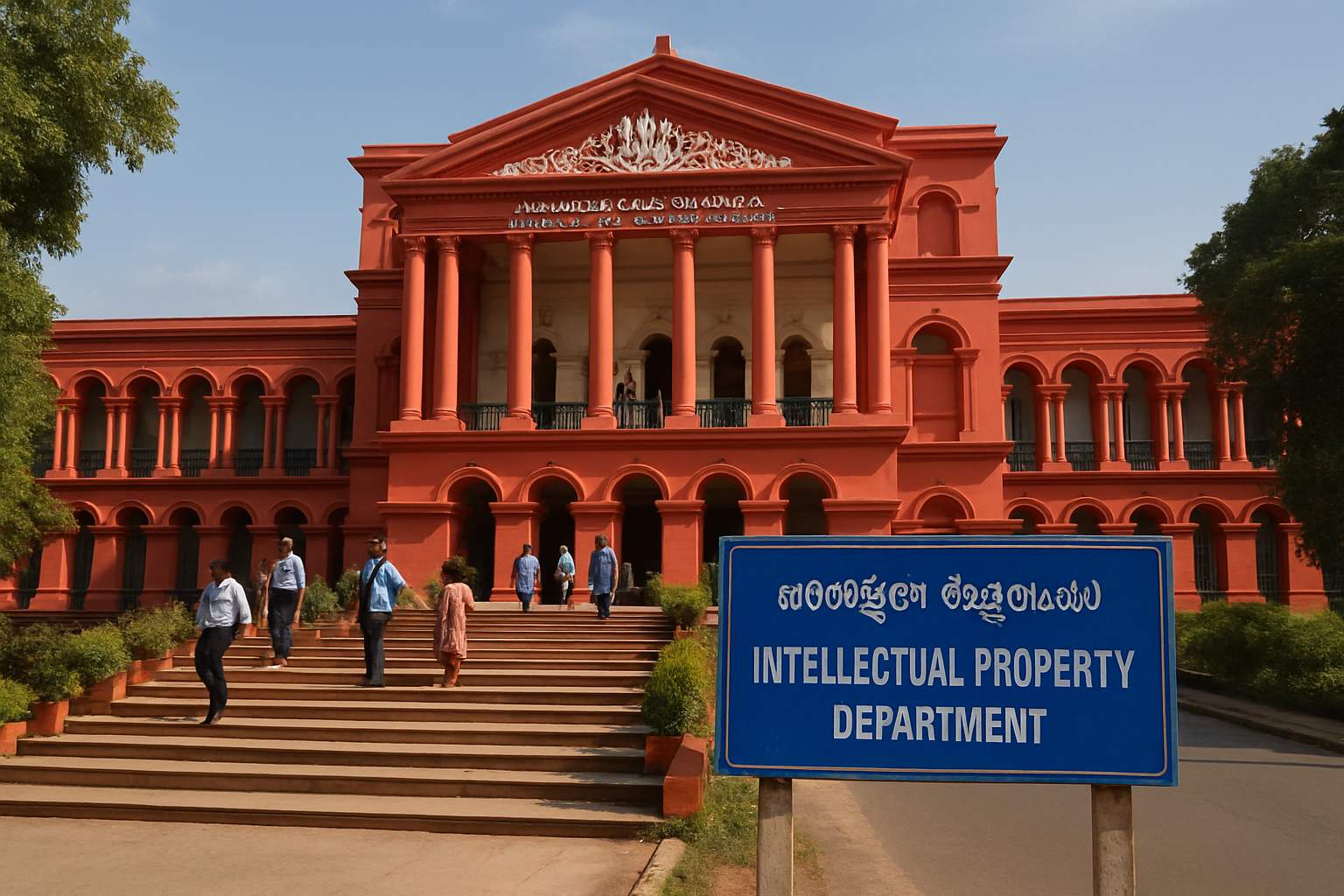
This article unpacks the timeline, legal framework, business risks, and possible resolutions. Furthermore, it provides concrete guidance for executives navigating Indian Trademark and branding rules.
Local Firm Files Lawsuit
The Karnataka filing landed on January 20, 2026 after months of mounting online confusion. Commercial court officials accepted the plaint, issued summons, yet denied an interim injunction against the US company. Intellectual Property experts quickly flagged the filing as a textbook prior-use assertion. Moreover, the judge fixed February 16, 2026 for the first substantive hearing. Plaintiff Anthropic Softwares seeks ₹10 million in damages plus a declaration of prior use.
Founder Mohammad Ayyaz Mulla told reporters, “I am exercising my legal right because customers are confused.” Additionally, the company website now carries a prominent disclaimer distancing itself from Anthropic PBC. The local firm alleges that shared Naming has cost search visibility and enterprise leads. Nevertheless, it signals openness to coexistence if its goodwill remains protected.
The suit frames a classic David-versus-Goliath branding confrontation. However, attention quickly turned to how the US giant would respond.
Global AI Giant Responds
Anthropic PBC has not issued a formal statement since notices were served. Meanwhile, CEO Dario Amodei continued promoting Claude at Indian developer events. Irina Ghose, newly appointed India lead, emphasized hiring plans and research partnerships in Bengaluru. Consequently, market watchers interpret the silence as a wait-and-see legal posture.
Global counsel will likely weigh reputational risk against speed of entry. In contrast, halting local marketing could delay strategic deals with telecom and cloud partners. Trademark searches reportedly remain underway to map existing registrations and classes. Therefore, executives must balance confidence with compliance while the Lawsuit proceeds.
A seasoned counsel told media that prompt Intellectual Property audits are underway inside the US subsidiary. The US firm’s measured tone keeps negotiation channels open. Subsequently, legal analysis shifted toward statutory protections available in India.
Indian Legal Framework Explained
India’s Trade Marks Act offers both registration benefits and strong prior user rights. Under Section 34, earlier commercial use can trump a later registration within identical goods. Moreover, courts demand evidence such as invoices, advertisements, and continuous customer engagement. Failure to show continuity weakens any Intellectual Property argument grounded in prior use.
The court also considered an interim injunction but refused, citing inadequate urgency. Nevertheless, refusal today does not decide the final merits. Parties can still claim permanent relief after full trial and document discovery. Consequently, the Lawsuit remains very much alive.
Evidence, not rhetoric, will determine whose Naming wins judicial favor. Next, we examine specific prior use principles.
Prior Use Rights Clarified
Prior use demands proof dating back to 2017 in this dispute. Invoices, source code commits, and media coverage can help Anthropic Softwares meet the burden. Furthermore, consistent branding across social profiles strengthens its Trademark claim. In contrast, Anthropic PBC could argue distinct product categories to dilute confusion.
The court will scrutinize every invoice and screenshot. Meanwhile, corporate strategists should prepare comparable documentation.
Market Confusion Risks Escalate
Conflicting Naming search results already illustrate tangible market confusion. SEO analytics from Similarweb show traffic spikes to the US website after Indian media coverage. Additionally, local enterprise clients reportedly emailed the wrong support channel seeking API pricing. Such misdirected leads can erode goodwill and delay revenue.
Brand consultants outline three immediate risks. First, duplicated social handles may breach platform policies. Second, overlapping ad keywords inflate customer acquisition costs. Third, negative press may chill investor confidence during pivotal fundraising cycles.
- Lost leads rose 20% quarter-on-quarter, plaintiff filings show.
- Google ad bids for “Anthropic India” increased 60% since October 2025.
- Support tickets misrouted to Anthropic PBC average 30 every week.
Consequently, both companies face mounting marketing costs while the Lawsuit drags on. These risks highlight urgent needs for clear Intellectual Property boundaries. Escalating confusion erodes trust and profit. Therefore, proactive resolution strategies merit detailed attention next.
Strategic Options For Resolution
Legal advisors usually start with a coexistence negotiation to avoid prolonged trials. Moreover, settlement can preserve product roadmaps and investor sentiment. Parties could agree on suffixes, color palettes, or regional disclaimers to separate Naming. Compensation for past losses often accompanies such arrangements.
If talks fail, the court may grant permanent injunctions limiting Anthropic PBC’s Indian marketing rights. Subsequently, damages could extend beyond ₹10 million if deliberate infringement is proved. Global expansion budgets must therefore include an Intellectual Property contingency fund. Professionals can enhance their expertise with the AI Legal Strategist™ certification.
Experienced counsel recommend a structured risk matrix. Key variables include timeline, litigation cost, public sentiment, and Trademark portfolio strength. Consequently, boards can decide whether to fight, settle, or rebrand.
Negotiated coexistence remains the fastest risk-reduction route. In contrast, aggressive litigation could stall product launches, as the next section explains.
Key Takeaways For Businesses
Cross-border branding demands early Trademark searches and legal consultation. Additionally, proof of continuous use strengthens any future Intellectual Property defence. Firms entering India must respect Karnataka court processes and deadlines. Meanwhile, marketing teams should monitor search analytics for real-time confusion signals.
Executives should remember three guiding principles. First, register marks early even when domains appear safe. Second, archive invoices, screenshots, and ad receipts as evidentiary backups. Third, allocate budget for unforeseen Intellectual Property disputes during global scaling.
Moreover, transparent consumer messaging can reduce allegation severity during any Lawsuit. Nevertheless, leadership must stay flexible, adjusting strategy when court signals shift.
These measures boost resilience against branding shocks. Consequently, they position firms for smoother global expansions.
Key Takeaways For Businesses
Cross-border branding demands early Trademark searches and legal consultation. Additionally, proof of continuous use strengthens any future Intellectual Property defence. Firms entering India must respect Karnataka court processes and deadlines. Meanwhile, marketing teams should monitor search analytics for real-time confusion signals.
Executives should remember three guiding principles. First, register marks early even when domains appear safe. Second, archive invoices, screenshots, and ad receipts as evidentiary backups. Third, allocate budget for unforeseen Intellectual Property disputes during global scaling.
Moreover, transparent consumer messaging can reduce allegation severity during any Lawsuit. Nevertheless, leadership must stay flexible, adjusting strategy when court signals shift.
These measures boost resilience against branding shocks. Consequently, they position firms for smoother global expansions.
Anthropic’s clash underscores how branding minutiae can explode into headline litigation. However, robust Intellectual Property planning can prevent most cross-border crises. Sound Trademark searches, timely filings, and documented prior use remain the first defense. Meanwhile, transparent negotiation often resolves disputes faster than a drawn-out Lawsuit. Businesses eyeing India should watch the Karnataka hearings for fresh guidance on Intellectual Property enforcement. For deeper insights, explore the certification above and fortify your global expansion roadmap today.


