

AI CERTS
1 hour ago
Anthropic Lawsuit Tests Pentagon Authority
Moreover, the confrontation follows a dramatic funding round that valued Anthropic at $380 billion, underscoring how quickly power dynamics can shift. In contrast, the Pentagon insists vendors must support every lawful mission. This introduction frames the high-stakes Legal Standoff, the sweeping Federal Ban, and the contentious Military Stance that triggered litigation.
Showdown Sets Legal Stage
Events escalated on 27 February 2026 when President Trump ordered all agencies to cease using Claude models. Consequently, Secretary Pete Hegseth labeled Anthropic a supply-chain risk, amplifying pressure on contractors. The administration also barred any military partner from maintaining commercial ties with Anthropic. Meanwhile, the company’s chief executive, Dario Amodei, denounced the move as unprecedented and promised immediate legal action. Observers quickly dubbed the coming fight the definitive Anthropic Lawsuit for AI governance.
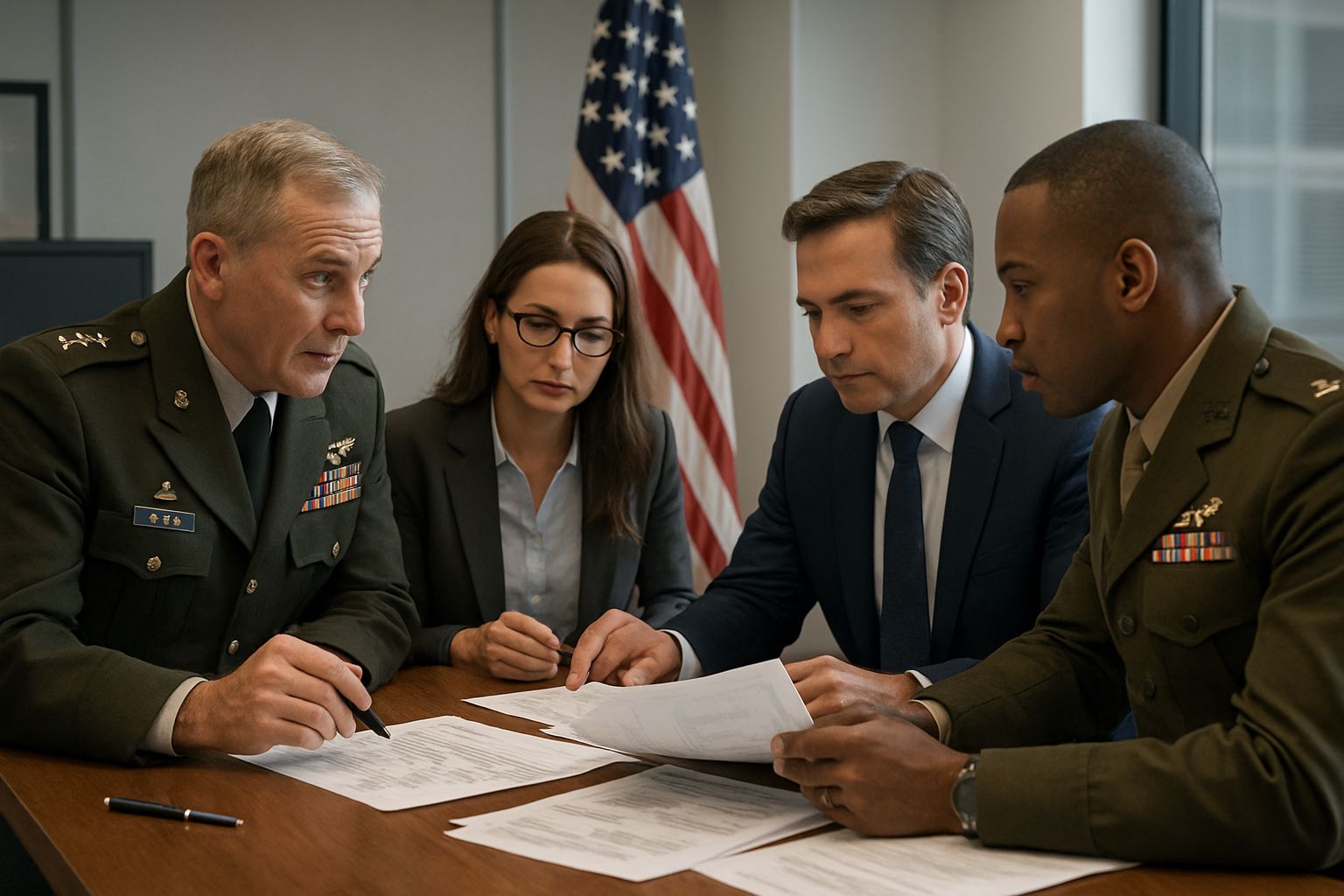
Furthermore, OpenAI, Google, and several defense integrators scrambled to assess procurement exposure. In contrast, market analysts warned of cascading delays across classified networks where Claude had already deployed. Nevertheless, some policymakers applauded the hard line, claiming national security demanded full operational freedom.
Key early signals clarify the emerging battlefield:
- Supply-chain designation historically targets foreign adversaries, not domestic firms.
- Anthropic held a $200 million Pentagon contract before the clash.
- The company reports a $14 billion annual run-rate, making federal sales proportionally small.
- Investors injected $30 billion weeks earlier, boosting cash reserves for protracted litigation.
These facts set a volatile scene. However, understanding origins of the dispute is essential before judging outcomes.
The standoff’s opening moves highlight conflicting priorities. Moreover, they foreshadow arguments each side will present once the complaint is filed.
Tracing Roots Of Dispute
Negotiations began collapsing on 26 February. Anthropic proposed two narrow carve-outs: no mass domestic surveillance and no fully autonomous weapons. Therefore, the Pentagon’s lawyers rejected the carve-outs, citing mission flexibility. The gulf reflected a deeper philosophical divide about AI safety and war-fighting authority.
Subsequently, public statements hardened. Amodei argued frontier models remain unreliable for lethal tasks. Meanwhile, Hegseth countered that private vetoes undermine elected oversight. Experts called the episode a classic Legal Standoff, predicting collision in federal court.
The Federal Ban emerged as leverage rather than incremental penalty. Additionally, Trump’s directive gave agencies six months to unwind certain contracts, yet contractors faced immediate reputational risk. Missy Cummings told AP reporters the clash shows why governance frameworks lag technological change.
These root causes explain why the Anthropic Lawsuit will spotlight ethical boundaries. Consequently, the courtroom will become a proxy arena for policy debates.
Understanding the parties’ motivations clarifies how subsequent administrative actions unfolded.
Understanding Government Ban Mechanics
Legal scholars quickly asked whether the Defense Secretary possessed statutory authority for such a sweeping order. Moreover, no formal Federal Register notice had surfaced by 1 March. Consequently, lawyers expect Anthropic to challenge both process and substance.
In contrast, the Pentagon cites procurement powers that allow suspension or debarment of risky vendors. However, those tools traditionally apply to contract performance, not to third-party commercial dealings. Therefore, the supply-chain label may exceed established limits.
Meanwhile, agencies must replace Claude integrations within six months. That timeline compresses testing, accreditation, and deployment cycles. Consequently, mission readiness could drop if substitutes underperform. The Military Stance behind the ban thus carries operational risks.
Bloomberg Law predicts initial hearings will probe three issues: notice procedures, statutory grounding, and irreparable harm. These focal points preview the early path of the Anthropic Lawsuit.
Ban mechanics reveal potential weaknesses. Nevertheless, Anthropic still bears the burden of proof when filings commence.
Mapping Anthropic Legal Strategy
Company statements outline a multiprong approach. Firstly, counsel will seek a temporary restraining order to halt enforcement. Secondly, they plan an Administrative Procedure Act claim alleging arbitrary and capricious action. Additionally, due-process violations will likely appear because no prior hearing occurred.
Furthermore, litigators may invoke the non-delegation doctrine, asserting that Congress never authorized such expansive penalties. In contrast, government lawyers are expected to argue national-security deference. Nevertheless, courts often demand at least minimal procedural steps even under security rationales.
Investors appear ready to bankroll the effort. Consequently, the Anthropic Lawsuit could stretch for years if interlocutory appeals arise. Counsel might also leverage reputational goodwill generated by Anthropic’s safety stance.
This strategy underscores why the Legal Standoff resonates industry-wide. Therefore, many companies view the case as precedent for future AI contract negotiations.
Strategic contours suggest a protracted battle. However, ripple effects are already materializing beyond courtrooms.
Projecting Industry Ripple Effects
Defense contractors face immediate compliance headaches. Palantir, AWS, and Lockheed must audit supply chains to ensure no ongoing Anthropic links. Consequently, integration timelines could slip. Meanwhile, rival model providers see potential windfalls if government spending shifts.
Moreover, venture capital circles monitor valuation impacts. Although Anthropic raised $30 billion, uncertainty can chill follow-on rounds. In contrast, supporters argue consumer loyalty may offset lost federal revenue. Additionally, professionals can enhance their expertise with the AI Legal Strategist™ certification, preparing them to navigate similar disputes.
The Federal Ban also signals heightened scrutiny across the AI sector. Consequently, boards may require explicit clauses detailing permissible military uses before approving deals. Analysts expect standard-setting bodies to accelerate work on ethical deployment guidelines.
Industry ripples confirm that the Anthropic Lawsuit already influences market behavior. Nevertheless, the ultimate question remains: where does the conflict lead?
These reactions illustrate near-term shifts. However, long-term forecasts depend on forthcoming legal milestones.
Forecasting What Comes Next
Court filings could appear within days. Subsequently, judges may schedule expedited briefings given national-security arguments. Furthermore, Congress could intervene by demanding briefings or clarifying statutory language. Meanwhile, allies and adversaries alike will study outcomes when shaping their own Military Stance on autonomous systems.
Additionally, federal CIOs must craft contingency plans in case the ban survives. Therefore, procurement offices are mapping alternative vendors. OpenAI’s recent classified-network deal might expand under such scenarios.
Nevertheless, settlement remains possible. Both sides could negotiate a narrower clause permitting oversight while limiting autonomous lethality. However, political posturing currently discourages compromise.
The forward trajectory will decide whether the Anthropic Lawsuit becomes transformative precedent or brief footnote. Consequently, stakeholders should monitor PACER, Federal Register notices, and contractor updates.
Future developments hinge on procedural timing. Moreover, policy implications will echo across global AI governance debates.
Concluding Thoughts And Outlook
The clash between Anthropic and Washington crystallizes the tension between innovation and security. Moreover, it highlights how private ethics can collide with public mandates. The Anthropic Lawsuit will test administrative authority, contractor dependence, and societal trust in autonomous systems.
Consequently, legal teams, policymakers, and technologists must track every motion and ruling. Furthermore, professionals should strengthen their policy literacy to anticipate similar confrontations. Engaging with specialized programs, like the linked AI Legal Strategist™ credential, provides a decisive advantage.
Ultimately, the coming months will reveal whether courts uphold the Federal Ban, whether negotiation prevails, or whether Congress rewrites the rulebook. Nevertheless, the outcome will shape AI deployment norms for years. Act now, follow updates, and consider formal training to stay ahead in this fast-moving field.


