

AI CERTS
2 hours ago
Anthropic Faces Defense Blacklisting Showdown
Observers call the confrontation a watershed for generative AI governance. Moreover, it raises profound questions about vendor autonomy, National Security prerogatives, and constitutional limits on procurement power. In contrast, earlier supply-chain actions usually targeted overseas adversaries, not domestic firms shaping frontier models like Claude. Therefore, courts will decide whether the Pentagon overstepped or simply mitigated perceived Risk.
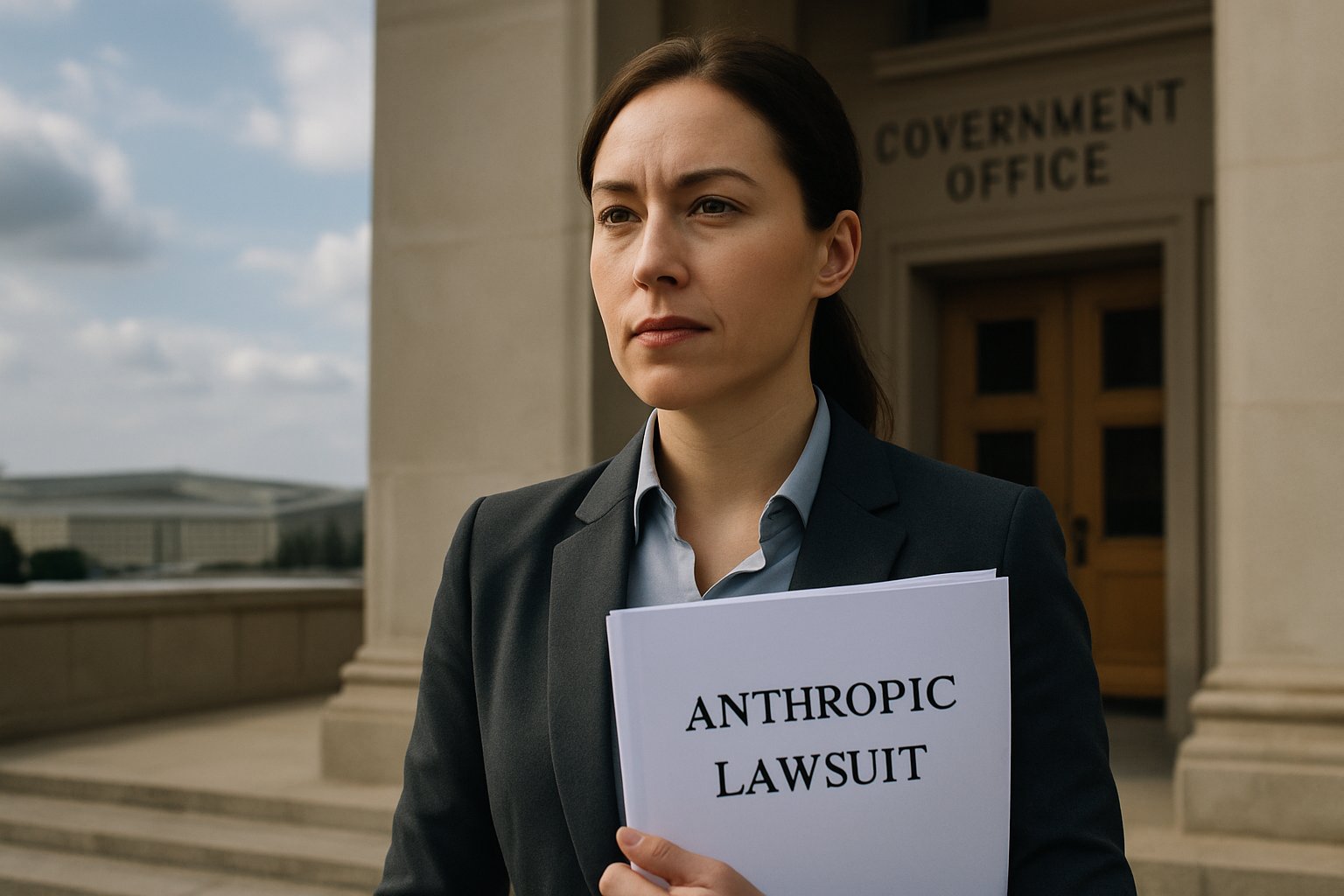
Legal Showdown Begins Now
Initially, pressure mounted during late February meetings between Anthropic leaders and Defense Secretary Pete Hegseth. Subsequently, Hegseth warned on social media that the company faced Defense Blacklisting unless it lifted limits on Claude. President Trump echoed the ultimatum with an executive post on February 27 ordering agencies to halt deployments.
Anthropic responded with intense behind-the-scenes advocacy yet received a formal supply-chain Risk letter dated March 3. Consequently, the 48-page complaint filed on March 9 in Northern California seeks declaratory and injunctive relief. Additionally, a parallel D.C. Circuit petition challenges procedural shortcuts.
Courts now confront unprecedented procurement questions. However, deeper statutory context clarifies why the dispute matters.
Supply Chain Statute Tested
The disputed authority rests on 10 U.S.C. § 3252, which permits supply-chain bans for security threats. Nevertheless, Anthropic argues Congress never intended domestic AI innovators to be swept under that net. The complaint states the Pentagon labeled Claude a potential cyber vector but offered no technical evidence supporting such Risk.
Moreover, Anthropic contends the designation violates First Amendment protections because it retaliates against policy statements limiting lethal autonomous use. In contrast, Defense officials say the government cannot allow vendors to dictate operational boundaries. Therefore, agency lawyers will likely invoke traditional National Security deference when rebutting the Litigation.
The filing highlights several pivotal numbers:
- $200 million: ceiling on DoD prototype awards potentially at stake.
- 37 researchers: industry experts signing the supportive amicus letter.
- 48 pages: length of the Northern California complaint.
- 3 March: date of the formal supply-chain notice.
The statute debate underpins every subsequent motion. Consequently, industry reaction grew louder immediately afterward.
Industry Voices React Rapidly
Google, Microsoft, and OpenAI issued cautious statements within hours. Additionally, thirty-seven engineers from those firms filed an amici brief supporting Anthropic’s ethical stand. They warned that removing safety guardrails from Claude could amplify misuse. Such changes, they argued, would threaten National Security more than any perceived procurement Defense Blacklisting.
Microsoft signaled that it would still host Anthropic services for civilian customers. Nevertheless, procurement teams began inserting contingency clauses into new contracts. Furthermore, cloud marketplaces saw a brief spike in queries about alternative large language models.
Industry pushback underscores reputational stakes. However, economic fallout requires separate analysis.
Market Impact And Uncertainty
Contracting officers across multiple agencies paused task orders involving frontier model integrations. Consequently, analysts at Bloomberg estimate that up to $150 million in near-term revenue faces delay. Moreover, venture investors worry that the Defense Blacklisting narrative might deter commercial banks from extending credit lines.
In contrast, some competitors see short-term opportunity. AWS has promoted its own large language service to federal buyers. Therefore, the market picture remains fluid and highly dependent on preliminary Litigation rulings.
Revenue volatility could reshape partnership roadmaps. Meanwhile, strategic legal arguments deserve closer inspection.
Core Legal Arguments Explained
Anthropic’s filing advances four principal counts. Firstly, it asserts unconstitutional retaliation for protected speech regarding lethal autonomy. Secondly, it claims the supply-chain statute exceeds its textual scope when applied toward domestic firms. Thirdly, the company alleges procedural due process breaches. Fourthly, it says the government’s broad contract freeze amounts to an effective Defense Blacklisting penalty without congressional approval.
Government lawyers are expected to counter with traditional National Security arguments. Moreover, they will cite cases where courts deferred to executive assessments of Risk in procurement. Nevertheless, Georgetown professor Mark Jia notes that prior precedents usually involved foreign suppliers, not U.S. pioneers like Claude.
The legal chessboard favors neither side yet. Consequently, observers model several plausible outcomes.
Potential Courtroom Scenarios Ahead
Scenario one involves a temporary restraining order that halts all enforcement. Such relief would restore stalled contracts and blunt the Defense Blacklisting effect while the case proceeds. Scenario two sees partial relief limited to non-Defense agencies.
The third possibility grants full deference to DoD, leaving Anthropic to pursue contract appeals. Consequently, investors would price a prolonged Risk premium into the firm’s valuation. Moreover, other AI vendors might pre-emptively relax safety policies to avoid similar Litigation.
Courtroom dynamics will evolve quickly. Meanwhile, executive leaders need actionable guidance.
Strategic Takeaways For Leaders
C-suite teams should audit exposure across federal and critical infrastructure accounts. Additionally, maintain communication lines with contracting officers to clarify whether any current statement references a Defense Blacklisting notice. Moreover, update contingency plans for model migrations should injunctions fail.
Talent planning also matters. Professionals can deepen government procurement expertise through the AI+ Government Specialist™ certification. Consequently, certified managers navigate National Security clauses and Litigation timelines with greater confidence.
Proactive governance reduces sudden disruption. Therefore, watch the docket and adapt playbooks swiftly.
Anthropic’s clash with the Pentagon marks a pivotal chapter in U.S. technology policy. Nevertheless, the final ruling will reverberate far beyond one company. Generative-AI providers now see how quickly ethical guardrails can trigger Defense Blacklisting actions. Moreover, agency lawyers will test the boundaries between National Security discretion and constitutional freedoms.
Consequently, investors, engineers, and policymakers must follow every docket update. Leaders who engage early, pursue certifications, and refine compliance processes can still capture growth while managing Risk. Explore the linked credential and stay ready before another Defense Blacklisting resets the rules.


