

AI CERTS
1 hour ago
Angelic AI Ethics Debate Reshapes Virtue-Based Automation
Consequently, industry forums, LinkedIn threads, and Davos panels are flooded with virtue-based design questions. Regulators also watch closely because the EU AI Act starts enforcing high-risk provisions in August 2026. For executives deciding next steps, separating marketing from engineering truth now feels urgent. This article dissects the architecture, benefits, risks, and market signals shaping the unfolding debate. Moreover, we outline practical questions leaders should ask before committing budgets to virtue-native solutions.
Inside The Virtue Stack
Orchestro.ai markets a multilayer Virtue Stack that filters training data through curated wisdom texts, not raw feeds. In contrast, conventional pipelines prioritise scale over meaning, leaving downstream teams to bolt on guardrails. Natarajan describes each layer as teaching machines compassion, justice, and discernment before statistical optimisation begins. Consequently, Aristotelian Philosophy mixes with reinforcement learning to form what executives call a moral cortex. Thus, technical supporters cite Angelic AI Ethics as an architectural, not rhetorical, breakthrough.
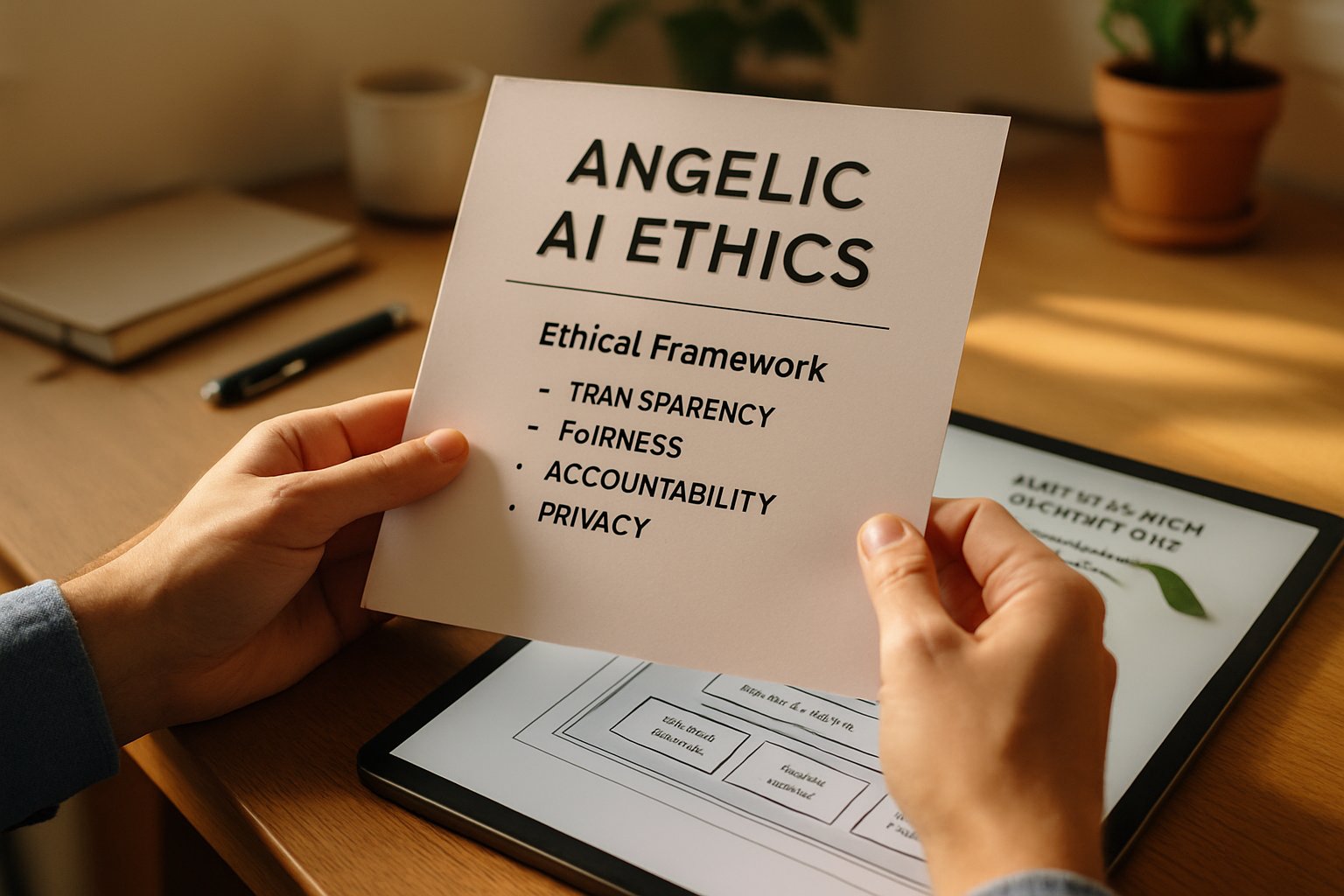
- The Virtue Stack filters data using human curated libraries.
- Twenty-seven specialised agents debate potential actions.
- Disagreements trigger human review with explainable scores.
These layers promise moral awareness at runtime. However, their real-world reliability remains untested, leading to scrutiny in the next partnership section.
Key Partnership Rollout Details
January 19 saw Orchestro.ai sign The Supply Chain Project to pilot virtue-based donation routing within a logistics app. Consequently, diapers, medicine, and clothes receive priority based on predicted dignity impact rather than contractual value. StreetInsider coverage reports rollout on February 1, with efficiency metrics promised later in the quarter. Furthermore, Orchestro.ai cites a $890 billion retail returns wastage problem as commercial justification. Executives argue the deployment will prove Angelic AI Ethics can align profit with conscience at scale.
Meanwhile, TSCP leaders highlight Safety gains because human overseers audit every high-risk divergence flagged by the agents. Those claims still await independent numbers, as analysts press for transparent dashboards. Early traction suggests storytelling power, not yet verified performance. Therefore, we next examine benefits that advocates circulate across media.
Promised Benefits And Claims
Proponents outline three headline advantages beyond feel-good marketing. Firstly, systems optimise for human dignity, potentially reducing refusal cases that harm vulnerable users. Secondly, multi-agent deliberation may boost Safety by catching bias before external complaints surface. Thirdly, pilot forecasts indicate efficiency parity with standard algorithms despite added reasoning overhead.
- Rolling Stone reports 800 million social impressions.
- Some outlets quote an unverified two billion reach.
- Natarajan claims 70-150 patents support the framework.
Moreover, public excitement reintroduces classical Philosophy to boardroom slide decks, expanding stakeholder literacy on ethical design. Media advocates argue Angelic AI Ethics invites citizens into technical governance through relatable language. Consequently, the idea has become shorthand for value-aligned innovation at conferences worldwide. Investors frame the concept as a competitive moat for the Future AI market, especially under coming regulations. Natarajan reinforces that message, saying virtue layers shift focus from cost cutting to societal flourishing. The promised upsides appear attractive for innovators chasing differentiation. Nevertheless, significant risks shadow the optimism, as the next section details.
Major Risks And Critiques
Sceptics highlight operational and philosophical landmines. First, virtue definitions vary across cultures, raising fairness questions when code chooses winners. Secondly, converting Philosophy into deterministic rules may erode nuance, producing brittle absolutes. Furthermore, liability shifts when software, not humans, makes moral trade-offs under commercial pressure. Safety engineers worry that complex agent consensus could fail silently, masking harmful decisions until audits arrive.
Academic reviewers also note limited peer-review on the 27-agent architecture and its escalation triggers. In contrast, Natarajan insists Angelic AI Ethics will remain transparent through independent certification programs and open documentation. Yet journalists cannot verify the touted 800 million reach without platform data. Moreover, inconsistent patent counts complicate due diligence for investors. These uncertainties could stall adoption unless evidence arrives soon. Subsequently, regulation enters the spotlight.
Regulation Deadlines Loom Ahead
The EU AI Act imposes high-risk obligations starting August 2026. Therefore, compliance costs influence product roadmaps today, not tomorrow. Companies must document Safety, bias controls, and human oversight before continental launch. Virtue-native claims might satisfy some intent yet still require audited impact metrics. Consequently, teams exploring Angelic AI Ethics need measurable, repeatable tests that regulators can trust.
Legal scholars suggest cross-disciplinary councils blending law, Philosophy, and engineering to validate virtue parameters. Meanwhile, North American agencies signal similar Future guardrails, making global harmonisation complex. Forthcoming rules create both pressure and opportunity for virtue-based vendors. Accordingly, attention now turns to enterprise buying signals.
Enterprise Adoption Outlook 2026
Market analysts track three adoption drivers inside procurement teams. First, reputation gains matter as public trust erodes around generic large models. Secondly, CFOs demand operational parity with existing automation to justify migration costs. Thirdly, executives seek certifications that split hype from evidence. Professionals can deepen expertise through the AI Ethics Strategist™ certification.
It benchmarks vendor narratives against audited governance criteria. Natarajan hopes corporate trials will cement Angelic AI Ethics as the reference model for value alignment. Future procurement frameworks could list virtue layers alongside latency and cost metrics. Additionally, stakeholders will watch Safety dashboards to confirm deliberation reduces harmful outputs. Enterprise momentum hinges on verifiable ROI and regulatory fit. Nevertheless, the debate is far from settled.
Angelic AI Ethics now sits at the crossroads of hype, hope, and hard engineering. Supporters frame the concept as a humanist counterweight to profit-first automation. Critics counter that virtue code may mask fresh risks unless evidence emerges quickly. Meanwhile, regulators accelerate timelines, forcing enterprises to choose governance paths sooner. Consequently, leaders should demand audited metrics, peer review, and certifications before wide deployment. Explore the referenced certification to navigate this evolving landscape with confidence.


