

AI CERTS
2 hours ago
America AI Act: Mandatory Audits Reshape AI Compliance
Consequently, businesses must track diverging federal signals while preparing governance programs that survive either roadmap. This article unpacks the draft’s audit demands, liability exposure, and duty of care for high-risk deployments. Furthermore, we contrast political motives, stakeholder reactions, and practical implementation timelines. The America AI Act name will appear often, yet its legal fate remains uncertain. Nevertheless, technology leaders should study the blueprint now to avoid rushed retrofits later.
Draft Raises Audit Stakes
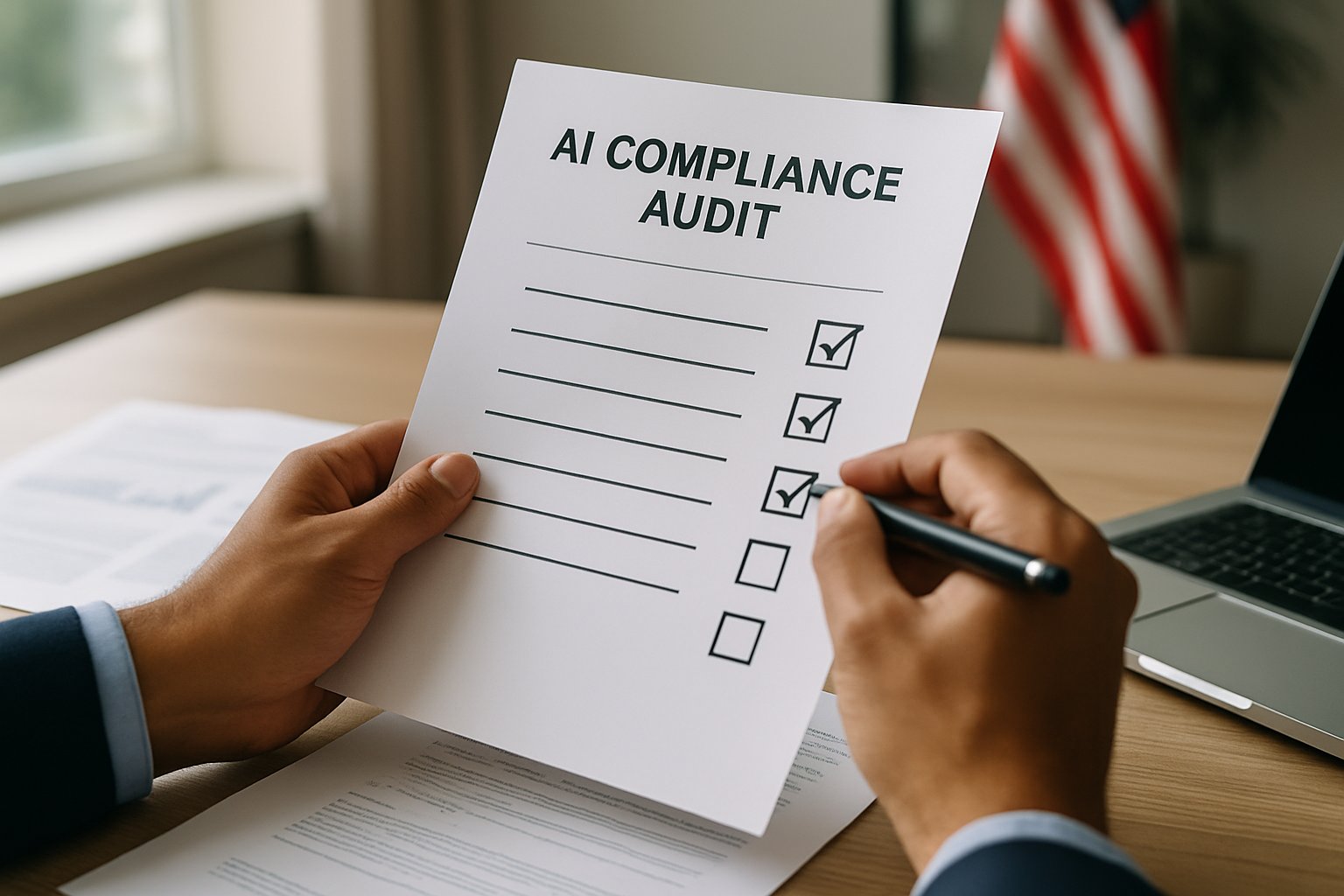
The draft mandates recurring bias audits for any “high-risk” AI system affecting health, rights, or economic security. Moreover, covered entities must engage independent auditors who test outputs for political, racial, gender, and viewpoint discrimination. Auditors must publish remediation plans, creating a powerful duty of care that boards cannot ignore. Senator Blackburn frames the audits as necessary to prevent censorship of conservative viewpoints. Therefore, the America AI Act elevates assurance activities from optional best practice to enforceable compliance obligation.
These provisions signal significant operational change. However, politics shapes the proposal’s trajectory.
Next, we examine that context.
Political Context And Contrast
In contrast, the White House framework published March 20 avoided prescribing audits, emphasizing voluntary standards instead. Consequently, two branches now broadcast divergent governance philosophies. Senator Blackburn’s draft highlights alleged platform bias against conservatives, inserting explicit references to viewpoint discrimination. Meanwhile, administration officials focus on innovation incentives and national security, sidestepping the America AI Act’s prescriptive tone. Analysts expect bitter committee debates once formal introduction occurs.
The policy split complicates lobbying strategies. Nevertheless, understanding definitions remains essential.
Therefore, we unpack those definitions next.
High-Risk Definition And Scope
The draft defines “high-risk” systems as those influencing safety, employment, education, benefits, or critical infrastructure. Additionally, frontier models exceeding compute thresholds face separate disclosure duties under section 703. Covered systems must track training data, model changes, and incident reports, reinforcing an implicit oversight duty. Because the America AI Act targets only consequential uses, low-risk chatbots escape immediate auditor scrutiny.
- Employment screening algorithms
- Predictive policing applications
- Medical diagnosis support tools
- Grid management optimization software
These examples reveal broad coverage. Yet, compliance costs deserve analysis.
Consequently, we examine liability next.
Compliance Burden And Liability
Legal advisers warn the combined audit, reporting, and record-keeping rules create substantial liability exposure. Moreover, FTC enforcement authority allows civil penalties for misleading audit reports or neglected remediation. The America AI Act empowers the planned Federal AI Safety Institute to set binding metrics, deepening potential liability. Boards must therefore establish clear duty of care documentation covering model design, monitoring, and incident response. Senator Blackburn’s summary specifies audits must occur regularly, yet intervals remain undefined until agencies act.
Overall, uncertainty fuels risk premiums. However, stakeholder views differ sharply.
Let us review those perspectives.
Stakeholder Reactions Diverge Sharply
Industry groups, including the Center for Data Innovation, label the proposal a mood board of grievances. They argue heavy audits could slow domestic competitiveness and increase liability insurance costs. Conversely, Dr. Rumman Chowdhury applauds independent oversight, claiming audits strengthen public trust and accountability. Furthermore, civil-rights advocates welcome a federal baseline that may preempt weaker state protections. Senator Blackburn counters that voluntary pledges lack teeth, citing repeated platform controversies. Consequently, the America AI Act becomes a rallying flag for both accountability crusaders and deregulation skeptics.
Polarized reactions forecast intense hearings. Meanwhile, practical questions still loom.
Next, we assess implementation gaps.
Implementation Uncertainties Remain Ahead
The document is only a discussion draft, lacking a bill number or committee assignment. Subsequently, effective dates hinge on hypothetical enactment plus 180 days, leaving planners guessing. Agencies must craft auditor accreditation, conflict-of-interest rules, and confidentiality safeguards before enforcement can begin. Moreover, definitions of acceptable audit methods impact risk calculations for insurers and investors. Until guidance arrives, many firms will map existing SOC and ISO controls against presumed duty of care expectations. Therefore, tracking legislative calendars and committee rosters remains critical. The America AI Act could move quickly if political momentum builds after the election cycle.
Timelines remain fluid and uncertain. Nevertheless, preparatory steps are possible.
The following section outlines actions.
Preparing For Federal Audits
Compliance officers should inventory AI systems and classify them against the draft’s high-risk definition. Additionally, establish model cards, data provenance logs, and impact assessments aligned with future audit templates. Engage external experts early to test for bias and document remediation, reducing future risk shocks. Professionals can enhance expertise through the AI Design certification, building audit-ready skills. Consequently, early preparation supports a measurable duty of care narrative when regulators request documents. The America AI Act may change, yet these practices deliver value under any governance model.
Early action mitigates surprise costs. However, leaders need continuous updates.
We conclude with final insights.
Regulatory clarity remains elusive, yet direction is unmistakable. Independent audits, stronger duty of care, and heightened liability are ascending policy pillars. Consequently, the America AI Act discussion draft offers an invaluable preview of forthcoming federal expectations. Nevertheless, substantial gaps around auditor standards, timelines, and agency rulemaking persist. Executives should monitor committee movements, align risk inventories with draft language, and nurture multidisciplinary audit capabilities. Furthermore, upskilling staff through recognized programs, such as the linked AI Design certification, strengthens readiness. Act now, refine processes, and lead your organization toward responsible, competitive AI innovation.


