

AI CERTS
1 day ago
Amazon’s India Carve-Out Highlights Tech Visa Backlogs Crisis
Therefore, Amazon issued a narrow India authorization allowing limited duties from abroad until March 2, 2026. The Internal memo surfaced through Business Insider and outlined strict activity bans. In contrast, other tech giants simply told workers to avoid international travel. This article unpacks the policy, compliance risks, and wider industry reactions. Additionally, it outlines strategic steps companies can take before backlogs grow further.
Tech Visa Backlogs Impact
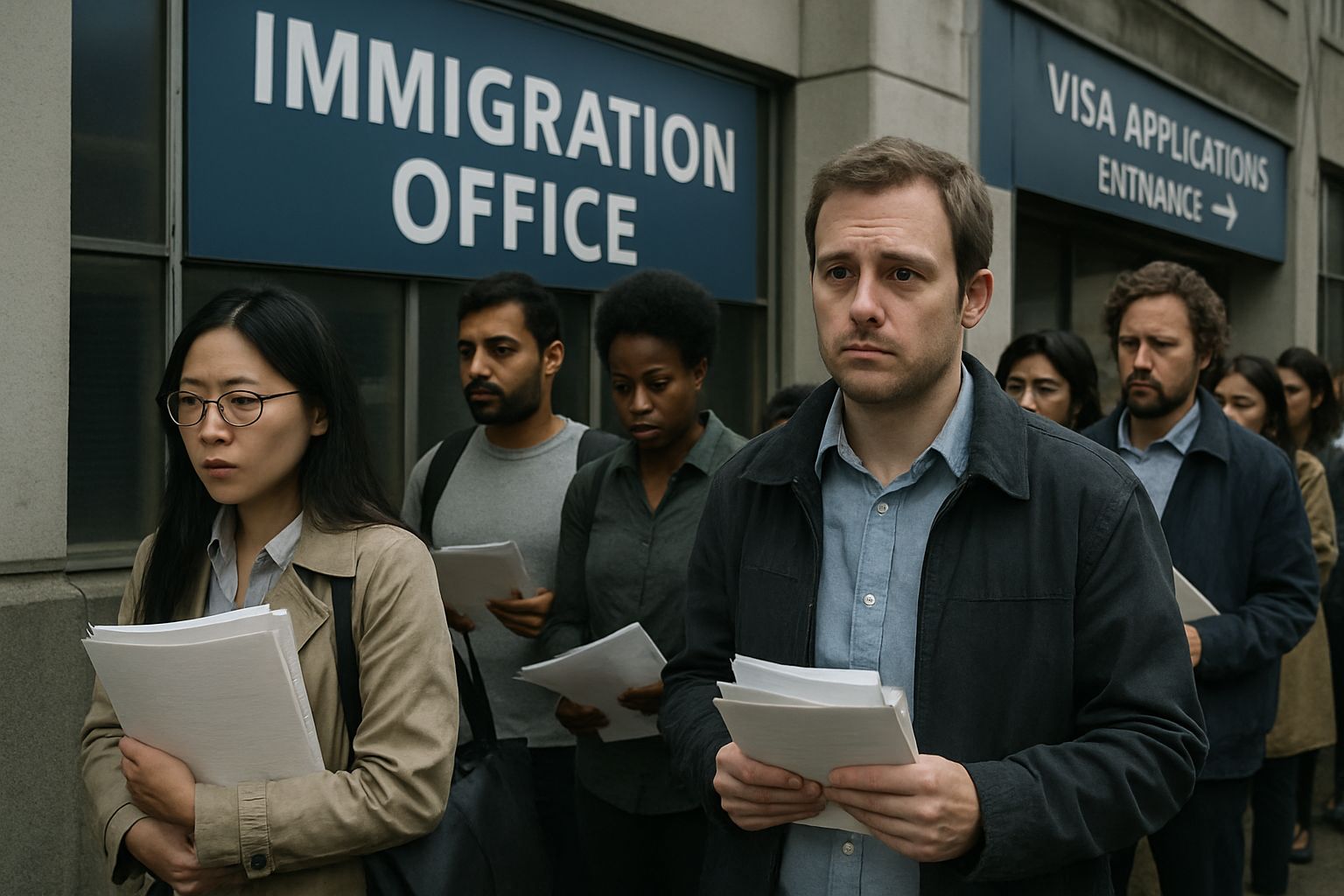
Reports show H-1B interview slots in India slipped from weeks to many months overnight. Consequently, consular delays intensified after mandatory online-presence reviews began on December 15, 2025. In Hyderabad, some engineers now hold March 2027 appointments, according to immigration counsel.
Tech visa backlogs rose because officers spend added minutes scrutinizing each applicant’s social feeds. Moreover, H-1B processing inside USCIS remained stable; the choke point shifted solely to stamping posts. Therefore, stranded staff cannot re-enter even with approved petitions in hand.
Analysts estimate thousands across Amazon and peers remain outside the United States. Tech visa backlogs now influence quarterly resource planning, according to recruiters at multiple cloud providers.
The backlog’s scale threatens delivery, security, and morale. Nevertheless, understanding Amazon’s carve-out reveals how one firm balances risk and relief.
Amazon Carve-Out Policy Details
The Internal memo announced a “Temporary Remote Work Authorization” on December 17, 2025. Eligible employees must have been physically in India by December 13 to qualify. Additionally, remote work permission ends March 2, 2026 unless Amazon extends the authorization.
However, approved staff face sweeping activity prohibitions designed to avoid Indian tax exposure. Employees may not code, test, or document any software during the period. Moreover, they cannot visit Amazon offices, negotiate contracts, or make hiring decisions.
Management kept sign-offs and strategic approvals within United States locations only. Amazon stated these rules minimize permanent establishment risk under Indian law.
Key numbers illustrate the program’s scale:
- 14,783 certified H-1B filings by Amazon in fiscal 2024
- 4,644 initial and 14,532 continuing approvals in FY2025
- 400,000 total H-1B approvals across all employers in FY2024
Tech visa backlogs forced Amazon to craft this limited carve-out instead of a broad policy. Consequently, only India-based engineers benefit while colleagues elsewhere remain stuck without pay options.
The carve-out keeps payrolls active yet restricts productivity. Nevertheless, legal safeguards take precedence for Amazon’s leadership.
Compliance And Tax Risks
Tax specialists warn that extended overseas remote work can trigger Indian payroll obligations. Therefore, Amazon banned any activity that could “meaningfully advance” business from within India. Permanent establishment exposure arises when employees generate revenue, sign deals, or manage staff locally.
In contrast, simple email correspondence rarely creates legal nexus, lawyers explain. The Internal memo explicitly blocks coding because source code could be deemed Indian intellectual property. Moreover, managers must route final approvals through U.S. based leaders to keep control offshore.
Consular delays amplify these compliance headaches by extending stay durations beyond normal vacation windows. Tech visa backlogs combined with protracted H-1B processing complicate tax planning for multinational budgets. Consequently, tax counsel urges firms to log every overseas day and restrict sensitive tasks rigorously.
These safeguards reduce penalties now, yet they also sideline valuable engineering capacity. Compliance relief always carries productivity costs. However, employee sentiment reveals the human downside next.
Employee Frustration Intensifies Daily
Stranded engineers told reporters that 80 percent of their duties involve forbidden coding tasks. Consequently, many feel “on payroll but off projects,” according to one Hyderabad developer. The Internal memo’s restrictions leave them attending meetings yet unable to contribute code fixes.
Additionally, remote work without meaningful output hampers performance evaluations and promotion cycles. Families suffer as interview dates slip because of consular delays beyond March 2026. Tech visa backlogs also complicate housing plans, schooling, and relocation logistics.
Managers juggle reassignments, overtime, and costly contractors to fill resource gaps. Nevertheless, most employees prefer limited work over unpaid leave or termination. Morale charts within some Amazon teams reportedly fell eight points since December.
These sentiments underscore urgency for broader industry solutions. Worker dissatisfaction threatens retention metrics. Therefore, peer companies watch Amazon’s experience closely.
Industry Wide Responses Emerge
Google, Apple, and Microsoft issued stark travel advisories rather than complex carve-outs. Furthermore, several startups paused all nonessential international trips until consular delays ease. Immigration firms report surging requests for emergency appointment transfers and alternative stamping locations.
Tech visa backlogs prompt some employers to accelerate Canadian or Mexican near-shoring initiatives. Moreover, companies streamline internal H-1B processing audits to identify vulnerable employees before holidays. Remote work contingency playbooks now include daily legal reviews and automated day-count trackers.
The Internal memo approach remains rare because most firms fear unleashing tax complexity. In contrast, enterprise resource planners explore global employment platforms that shoulder local compliance. Consequently, advisory revenue for tax and immigration consultancies has jumped this quarter.
These collective moves reveal an ecosystem adapting under pressure. Quick fixes buy time, not certainty. Therefore, leaders must craft sustainable options.
Strategic Options Moving Forward
Companies can pre-clear social-media accounts to accelerate future visa adjudications. Additionally, staggered vacation schedules avoid mass return bottlenecks if Tech visa backlogs persist. Alternate talent hubs in Toronto, Dublin, or Singapore offer interim assignments without U.S. visa dependence.
Moreover, advanced collaboration tooling lets distributed teams maintain velocity when coding resources sit abroad. Professionals can enhance their expertise with the AI Learning & Development™ certification. Employers may subsidize such upskilling during unavoidable waiting periods.
Furthermore, some boards advocate lobbying efforts to streamline H-1B processing and restore interview capacity. Tax teams should model worst-case scenarios assuming consular delays extend another fiscal year. Tech visa backlogs will likely influence workforce planning software for years, analysts predict.
These proactive measures turn disruption into investment. Smart planning cushions financial shocks. However, policymakers must also address root causes.
Conclusion And Outlook Ahead
Amazon’s policy spotlights how security measures ripple across global talent chains. Consequently, ambitious product roadmaps now depend on immigration throughput as much as engineering skill. Employers, lawyers, and governments all share responsibility for restoring predictable mobility. Meanwhile, employees stranded abroad deserve clear timelines, fair evaluation, and ongoing development support.
Interview wait times may ease once officers adapt to social-media screening, yet contingency planning remains wise. Furthermore, structured remote work guidelines can mitigate tax exposure without erasing productivity entirely. Leaders should monitor March negotiations between industry lobbyists and the State Department for possible relief. Organizations ready to invest in compliance, upskilling, and advocacy will emerge stronger from this disruption.


