

AI CERTs
2 hours ago
Algorithmic Discrimination Lawsuit Hits Workday Hiring Tools
Few technology lawsuits capture corporate attention like Mobley v. Workday. The case highlights rising concerns over Algorithmic Discrimination in automated hiring. Consequently, legal, HR, and tech leaders are watching the docket with intense interest. This article unpacks the allegations, court rulings, and practical implications shaping enterprise risk planning.
Moreover, the dispute tests how existing Employment Law applies to vendor supplied hiring algorithms. In contrast, traditional bias cases normally target employers rather than software providers. Meanwhile, regulators and investors demand clearer accountability across the Hiring Screening market. Therefore, understanding this litigation helps organizations recalibrate procurement, audit, and governance strategies.
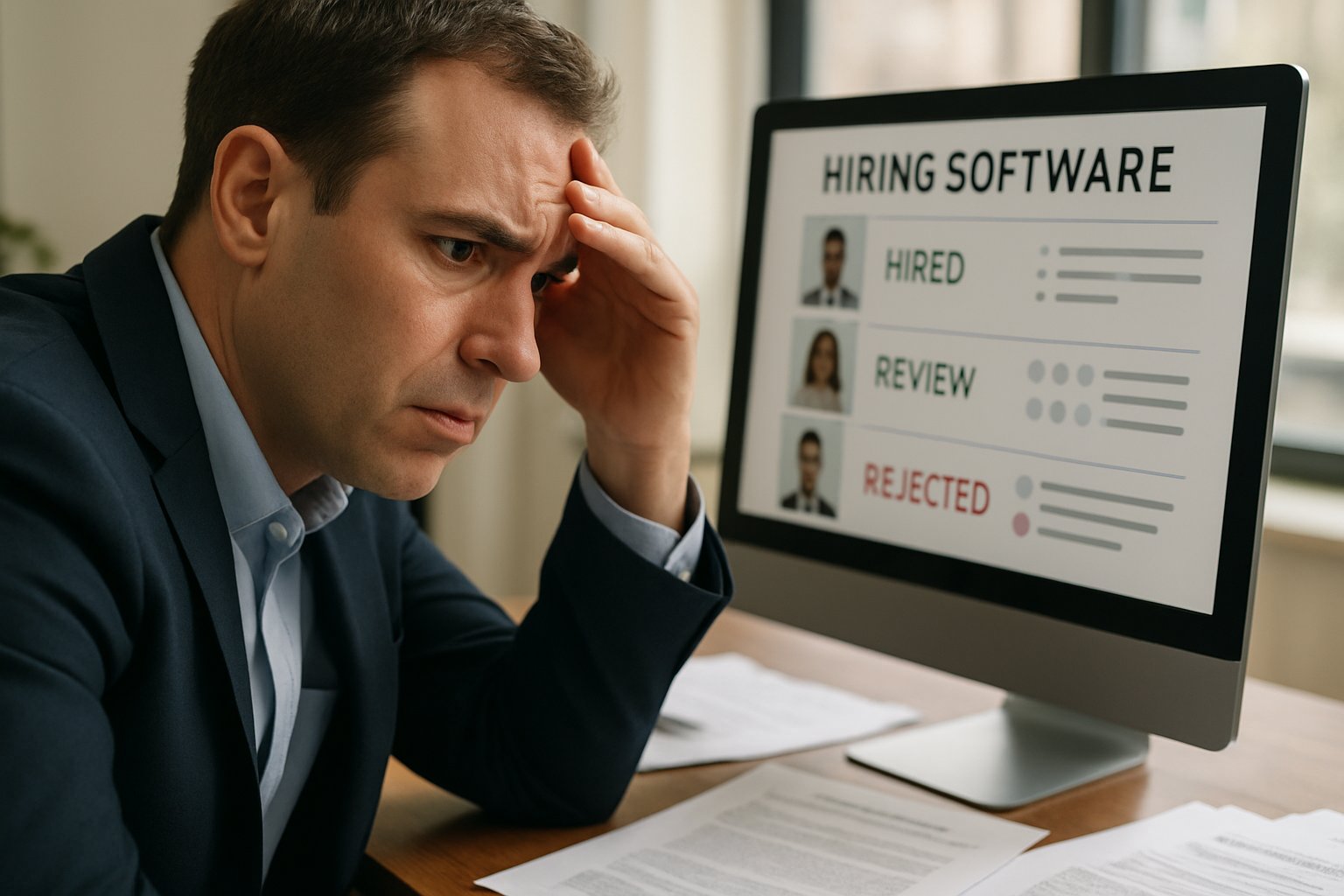
Detailed Case Background Overview
Derek Mobley alleges repeated rejections after applying for more than eighty jobs through the platform. He claims age, race, and disability status drove disparate outcomes within the scoring engine. Furthermore, plaintiffs argue the vendor functioned as an employer agent by automating crucial decisions. Algorithmic Discrimination arises when neutral inputs become proxies for protected characteristics and skew recommendations. Consequently, the complaint invokes both federal Employment Law and state regulations to seek redress.
These allegations frame the central controversy now before Judge Rita Lin. However, the procedural journey explains how the case gained national prominence.
Key Court Rulings Timeline
Initial filings reached the Northern District of California in early 2023. Subsequently, Workday sought dismissal, yet Judge Lin allowed agency and disparate impact claims. Additionally, the EEOC filed an amicus brief supporting third-party liability for AI vendors. On May 16, 2025, the court certified a nationwide collective for applicants aged forty and older. Moreover, a February 17, 2026 notice set a March 7 opt-in deadline for potential members. Algorithmic Discrimination remains the underlying issue connecting each procedural milestone.
Together, these rulings signal judicial openness to novel technology claims. Consequently, the timeline informs strategic planning for vendors and employers alike.
Core Legal Theories Explained
Disparate impact doctrine examines outcomes rather than intent within Employment Law analysis. Therefore, plaintiffs need statistical evidence showing older applicants were rejected at materially higher rates. If proven, the burden shifts to the vendor to establish business necessity and lack of alternatives. Moreover, the agency theory asserts software can replace human recruiters, creating joint liability exposure. Algorithmic Discrimination cases often scrutinize proxy variables such as graduation dates or unexplained gaps. In contrast, defense teams argue configuration choices lie with client employers, not the platform provider.
These legal concepts set the evidentiary roadmap for upcoming discovery. Consequently, counsel will focus on data quality, feature engineering, and validation documentation.
Primary Vendor Defense Arguments
Workday maintains that employers retain ultimate hiring authority over final candidate decisions. Nevertheless, the company contends its tools are configurable, audited, and subject to ongoing bias checks. Additionally, executives emphasize investments in responsible AI frameworks aligned with emerging regulations. The defense warns broad liability could stifle innovation across the Hiring Screening ecosystem. Algorithmic Discrimination allegations, they argue, remain unproven until rigorous statistical analysis concludes. However, Judge Lin has already rejected a blanket immunity theory for third-party vendors.
The forthcoming discovery phase will test competing narratives against real applicant data. Meanwhile, counsel prepare expert models for selection-rate comparisons.
Evolving Regulatory Response Landscape
Beyond the courtroom, policymakers signal growing intolerance for opaque Hiring Screening algorithms. For example, the EEOC stresses that digital tools performing recruiter functions fall under traditional statutes. Moreover, several states now mandate bias audits or candidate notices before automated evaluations occur. Consequently, multinational employers must align disparate regional rules with federal Employment Law obligations. Algorithmic Discrimination settlements could accelerate rulemaking by illustrating measurable harm.
Regulators prefer proactive audits over post-hoc litigation. Therefore, compliance teams should institutionalize periodic testing protocols.
Implications For Enterprise Stakeholders
Executives face intertwined legal, financial, and reputational risks whenever automated selection tools malfunction. Moreover, procurement officers must reexamine contract terms governing audit access, indemnity, and model updates. In contrast, talent teams need explainability features to answer candidate questions promptly. Boards increasingly tie ESG metrics to equitable Hiring Screening outcomes. Algorithmic Discrimination findings could damage employer brands and depress applicant pipelines. Consequently, professionals can enhance oversight skills with the AI+ Human Resources™ certification.
These steps build resilience against unpredictable regulatory shifts. Subsequently, stakeholders can sustain trust with employees and regulators.
Mitigation Steps Moving Forward
First, assemble cross-functional teams combining HR, data science, and Employment Law counsel. Secondly, map every Hiring Screening touchpoint and capture decision logs for audit trails. Moreover, run pre-deployment bias tests using representative data pools and validated statistical thresholds. Then, program ongoing drift monitoring to detect performance changes over time. Algorithmic Discrimination risks decline when teams document model assumptions and remediation actions.
- Establish vendor scorecards covering transparency, bias metrics, and update cadence.
- Negotiate fallback workflows if automated rankings fail fairness thresholds.
- Schedule quarterly reports for executives summarizing audit outcomes and improvement plans.
Collectively, these actions reduce litigation probability and enhance candidate experience. Consequently, organizations can pursue innovation while respecting equity mandates.
Mobley v. Workday illustrates how emerging tools invite old liabilities into digital arenas. Moreover, courts now reject bright-line distinctions between humans and code when assessing fairness. Algorithmic Discrimination therefore stands poised to redefine risk calculus for every enterprise adopter. Consequently, proactive governance beats reactive litigation every time. Legal advisors urge systematic audits, transparent reporting, and contractual safeguards. Meanwhile, Workday and its peers will refine interfaces to surface clearer fairness evidence. Organizations that embrace certified talent gain a strategic edge. Therefore, enrol today and deepen mastery through the AI+ Human Resources™ program before Algorithmic Discrimination claims reach your doorstep.


