

AI CERTs
2 hours ago
AI Research Watchdog Demands Turing Defence Strategy Reset
Scrutiny around national AI bodies has intensified. Today, the Alan Turing Institute sits at the centre of that storm. The AI Research Watchdog spotlight now shines directly on its board and scientists. However, recent government findings say the institute's Strategy, governance and Value for money miss the mark. Consequently, funders demanded a sweeping reset that reorients research toward defence and national resilience. Meanwhile, leadership churn and project closures have unsettled staff across the UK’s flagship AI hub. Moreover, politicians warn that future Funding could depend on decisive progress before September 2026. This article unpacks key events, numbers and arguments behind the overhaul. Additionally, it maps upcoming tests that the new Management team must pass to regain trust. These insights equip executives and researchers to judge whether the reboot delivers public Value.
Review Triggers Strategy Reset
UKRI published its independent mid-term review on 2 April 2026. However, the panel judged overall strategic alignment and Value for money as "not yet satisfactory". Therefore, it urged a focused single mission anchored in defence, security and sovereign capability.
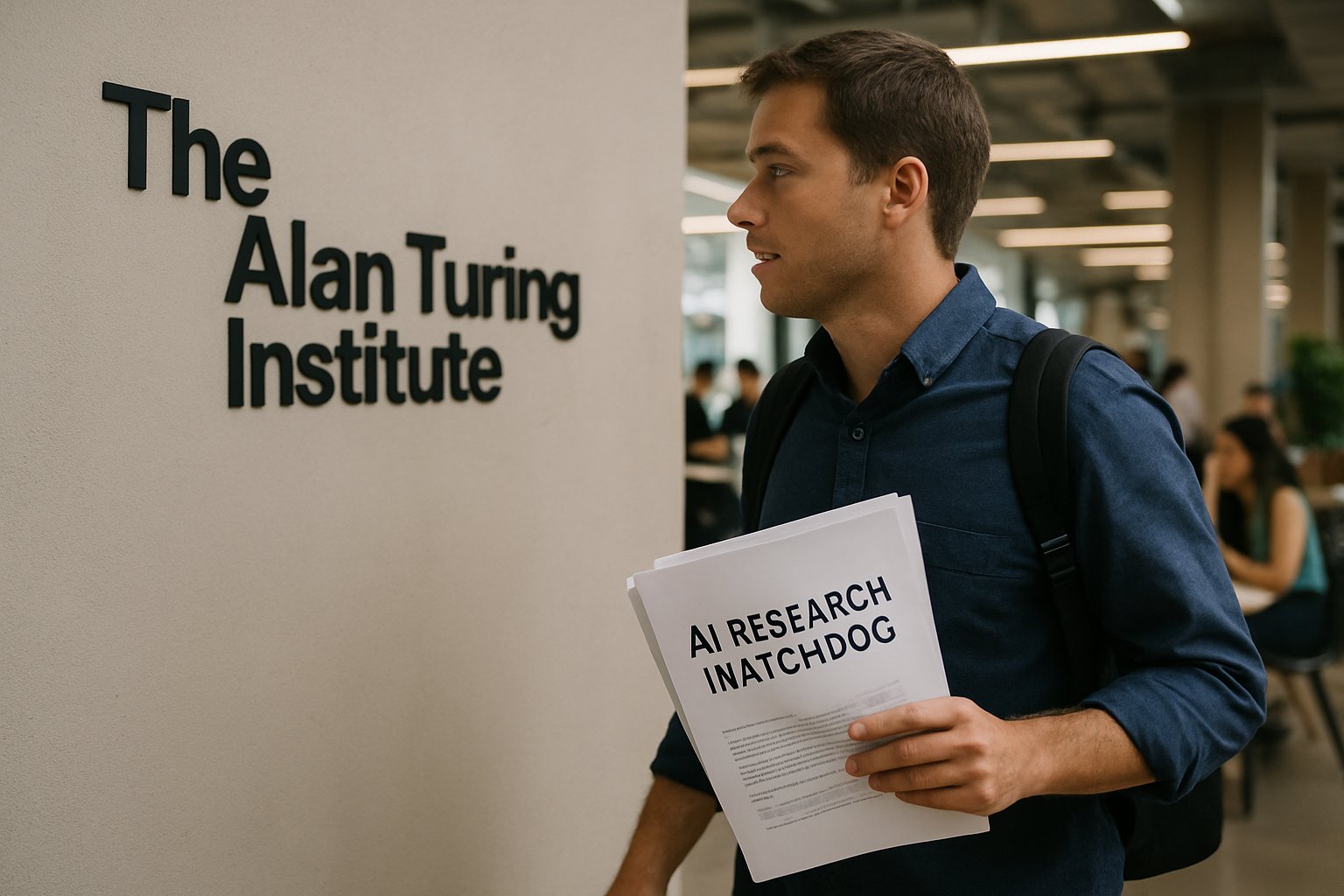
Consequently, the institute must craft a revised Strategy and governance blueprint by September 2026. Meanwhile, EPSRC will tie continued Funding to measurable impact metrics inside that framework. In contrast, earlier plans had spread resources thinly across more than 100 eclectic projects.
Additionally, UKRI asked for external scientific scrutiny to be reinstated to reassure taxpayers. Such oversight reflects the growing AI Research Watchdog mentality within British science policy. Subsequently, oversight boards will monitor cost, schedule and public Value delivered by each project.
These recommendations signal tougher accountability for national institutes. Consequently, the next months will test whether new leaders can transform paper Strategy into tangible progress.
Leadership Shake-up Timeline Details
The overhaul quickly reshaped the senior team. However, stability remains elusive after three chief executive announcements in 15 months. Jean Innes confirmed her exit on 4 September 2025, citing completion of the transformation programme.
Subsequently, Professor Mark Girolami became acting CEO on 21 January 2026. Moreover, trustees named former HMGCC engineer Dr George Williamson as permanent CEO starting May 2026. In early April, chair Doug Gurr resigned to lead the Competition and Markets Authority.
Consequently, interim governance arrangements now combine an acting chair with a soon-to-arrive chief. Nevertheless, staff question whether rapid turnover hinders Management continuity and external confidence.
Additionally, the Charity Commission issued guidance in March 2026 after whistleblowers alleged trustee failings. Therefore, trustees must prove compliance or risk renewed AI Research Watchdog scrutiny.
Leadership flux underscores the institute's fragile political capital. Meanwhile, incoming executives face immediate decisions on projects, people and public messaging before Funding negotiations reopen.
Governance And Funding Scrutiny
Funding questions hang over the £100 million core grant awarded in 2024. However, UK ministers hinted that future tranches depend on clearer Value metrics and tighter oversight. Consequently, ATI and EPSRC are drafting a performance framework covering cost, schedule and impact delivery.
Moreover, the institute closed or spun out 78 projects that lacked alignment with the new Strategy. In contrast, a smaller portfolio will concentrate on defence, environment and health missions under Turing 2.0.
Subsequently, trustees approved a £5 million transfer into a challenge-led programmes fund supporting priority experiments. Nevertheless, free reserves fell to about £11.1 million by March 2025, limiting fiscal flexibility.
These moves signal pragmatic cost control. Therefore, sustained Funding will hinge on demonstrating measurable national security returns within two fiscal years.
Debate Over Institute Value
Academic voices worry that a defence pivot undermines broader societal missions. However, Dame Wendy Hall argued that narrowing scope means the body "ceases to be national". Meanwhile, staff letters of no confidence highlight morale challenges and potential talent loss.
Moreover, critics stress reduced transparency when classified work curtails open publication and peer review. Consequently, public trust might erode if the AI Research Watchdog finds ethical safeguards weakened.
Supporters counter that sovereign capability demands focus and disciplined Management of scarce resources. Additionally, they cite faster deployment pathways and secure testbeds as tangible national benefits.
The clash pits breadth against depth. In contrast, final judgments will depend on transparent metrics and continued AI Research Watchdog engagement.
Staff Morale And Management
Staff numbers hovered around 440 during 2024-25, yet 50 positions faced redundancy risk. Consequently, employee forums reported anxiety about career stability and mission clarity. Moreover, internal surveys revealed mixed confidence in senior Management communication.
Subsequently, HR teams launched weekly briefings and mentorship schemes to retain researchers during the shift. Nevertheless, Times Higher Education sources warned of possible departures if grant pipelines stall.
- Lost publication freedom under security protocols
- Unclear promotion routes during restructuring
- Opportunities to join defence missions with secure clearance
These findings confirm culture risks alongside technical challenges. Therefore, successful retention will influence whether the new Strategy translates into credible sovereign capability.
Defence Pivot Pros Cons
Proponents argue that concentrating on defence delivers political backing and rapid adoption in government systems. Additionally, alignment with Ministry of Defence unlocks classified datasets and advanced compute sites. Consequently, commercial partners may follow, seeing assured resource streams and clear mission briefs.
However, critics fear ethical debate will move behind closed doors. In contrast, open policy advice was once a hallmark that the AI Research Watchdog celebrated.
Moreover, a defence-heavy brand could deter international collaborations essential for frontier discovery. Subsequently, lost diversity may weaken long-term scientific competitiveness for the UK.
Benefits include speed and security. Nevertheless, reputational damage remains possible if Management fails to balance secrecy with accountability. Consequently, watchers will scrutinise the next milestones closely.
Upcoming Milestones To Watch
September 2026 marks the first formal checkpoint. However, ATI must deliver a costed implementation plan to UKRI before that date. Moreover, George Williamson will submit a six-month progress report covering staffing, plans and governance fixes.
Subsequently, EPSRC will decide whether to release year-three funds. Failure could trigger deeper intervention or even competitive tendering for the institute's remit.
Additionally, the Charity Commission may reopen inquiries if trustee minutes ignore its March guidance. Therefore, consistent transparency will matter as much as fresh scientific breakthroughs.
Professionals can enhance their expertise with the AI Marketing Strategist™ certification, gaining skills to evaluate public research impact.
These milestones create a demanding roadmap. Meanwhile, the AI Research Watchdog will monitor delivery and report back to policymakers and investors.
The Turing 2.0 reboot now enters its decisive year. However, delivery on defence missions must coexist with open scientific standards. Consequently, collaboration between trustees, researchers and Whitehall will determine lasting credibility. Meanwhile, the AI Research Watchdog expects transparent metrics, rigorous ethics controls and timely reporting. Subsequently, investors and allies will judge whether promised national benefits materialise. Additionally, sustained talent retention will hinge on clear career pathways and supportive culture. The AI Research Watchdog will publish briefings throughout 2026, offering stakeholders an independent temperature check. Therefore, readers should track those updates and pursue specialist training to stay ahead of policy shifts. Consider boosting analytic skills through the AI Marketing Strategist™ programme and join the AI Research Watchdog conversation.


