

AI CERTS
3 hours ago
AI Military Drones: Kyiv Strikes Shape Diplomacy
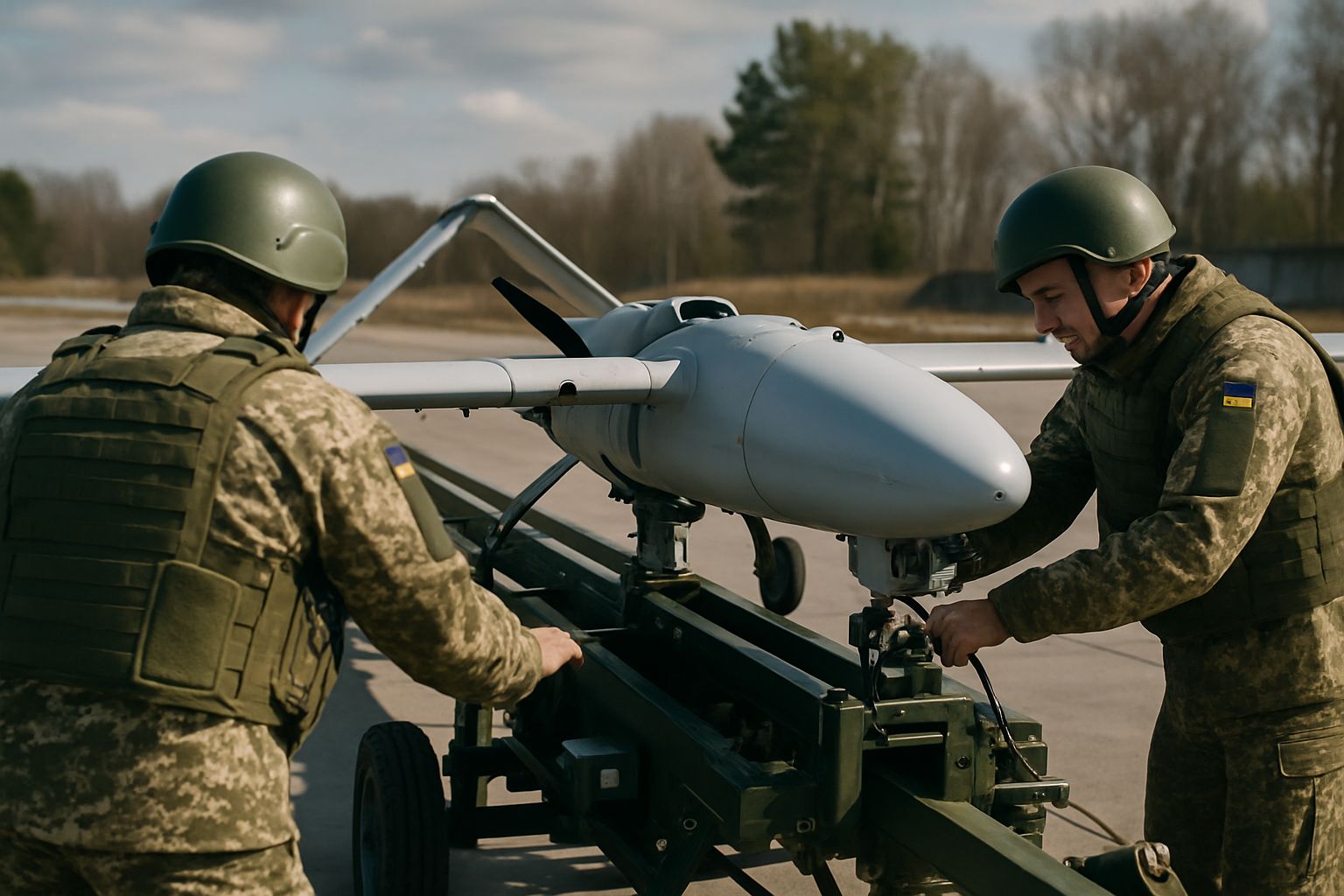
The ongoing Conflict has entered an aerial attrition phase. This report examines patterns, technology, and implications behind each notable drone Strike.
Therefore, readers gain clear insight into evolving deterrence strategies and possible responses. Meanwhile, Kyiv responds with layered Defense, but saturation waves expose critical gaps. In contrast, Moscow exploits low cost systems to pressure Ukraine without risking pilots.
Drone Strikes Disrupt Talks
Russian Shahed loitering munitions first tested negotiation resilience on 23 March 2025. Subsequently, 147 vehicles swarmed Kyiv hours before Saudi hosted cease-fire discussions.
Analysts noted AI Military Drones formed the majority of inbound weapons. December 2025 escalated the pattern when nearly 500 drones and 40 missiles converged.
Consequently, heating failed across districts and President Zelensky framed the onslaught as deliberate. January 2026 produced another Strike that killed civilians during multi-party meetings.
Nevertheless, envoys continued talking under air-raid sirens, illustrating grim diplomatic resilience. These salvos consistently overlap with summit calendars, undermining trust. However, understanding their scale requires firm data, explored next.
Escalating Salvo Statistics Data
Verified counts remain fluid because tally methods differ. Nevertheless, official dashboards still reveal alarming upward curves.
The headline figures include:
- 147 drones launched 23 March 2025, Air Force briefings confirmed.
- About 500 drones with 40 missiles struck 27 December 2025, presidential post said.
- Several hundred aerial threats hit 24 January 2026, outlets reported varied numbers.
Moreover, interception claims across Ukraine show diminishing success as salvo volume climbs. CSIS noted larger attacks cut Defense efficiency by overwhelming radar sectors.
Rising numbers highlight affordability advantages of AI Military Drones for Moscow. Therefore, the next section unpacks the enabling technology.
Technology Behind Mass Attacks
Shahed-131 and Shahed-136 feature simple guidance, modular warheads, and automotive engines. Consequently, unit cost stays below $50,000, encouraging saturation employment.
Kinzhal ballistic missiles add speed and unpredictability, forcing expensive interceptor launches. Additionally, Russia combines decoys and electronic jammers to split Ukrainian batteries.
AI Military Drones integrate onboard vision modules that adjust flight midcourse around obstacles. Meanwhile, swarm algorithms assign targets dynamically, reducing overlap and wasting fewer warheads.
Such innovations compress launch timelines and confuse sensors. However, any Defense analysis remains incomplete without reviewing shielding measures.
Air Defense Under Strain
Ukraine employs Patriots, IRIS-T, and Gepard guns in concentric rings. Furthermore, electronic warfare units jam navigation signals and spoof coordinates.
Intercept rates still reach 70-80 percent during medium waves. Yet, surge events drain stockpiles within hours, military planners admit.
AI Military Drones pose special problems because noise signatures are minimal. Consequently, acoustic sensors give limited warning, forcing visual spotting at night.
Resource burn rates jeopardize sustainable Defense throughout prolonged Conflict. Subsequently, policymakers scrutinize strategic motives powering these attacks.
Strategic Motives And Messages
CSIS describes the salvos as coercive airpower seeking negotiation leverage. Moreover, timed violence signals resolve while testing Western red lines.
Russian statements claim infrastructure targeting defends national interests. In contrast, Kyiv calls each Strike terrorism meant to intimidate civilians.
Analysts argue AI Military Drones let Moscow inflict pain without aircrew losses. Therefore, domestic casualties remain politically tolerable, prolonging Conflict.
The messaging battle unfolds alongside humanitarian dilemmas. Consequently, legal concerns gain urgency, discussed below.
Humanitarian And Legal Concerns
Civilian apartments, hospitals, and substations have repeatedly burned. Meanwhile, UN agencies warn of winter mortality spikes after grid failures.
International humanitarian law prohibits indiscriminate Strike on non-combatants. Nevertheless, attribution disputes and battlefield fog slow accountability.
Rights groups urge evidence preservation, drone debris cataloging, and survivor interviews. Additionally, they recommend certifying investigators through emerging robotics forensics programs.
Professionals may upskill via the AI Robotics Specialist™ certification. Such programs bridge technical, ethical, and evidentiary gaps during drone inquiries.
Ensuring civilian protection demands combined legal, technical, and diplomatic reforms. Therefore, stakeholders evaluate possible future scenarios.
Future Scenarios And Recommendations
Scenario one sees a negotiated truce reinforced by enhanced air shields. However, interceptor production must accelerate to match projected Strike frequency.
Scenario two predicts drone proliferation widening the Conflict to additional fronts. Consequently, regional alliances might integrate standardized sensor grids for cooperative Defense.
Scenario three assumes AI Military Drones gain autonomous target selection, raising new ethical alarms. Additionally, lawmakers must update protocols before software features outpace regulation.
Each scenario underscores urgency for resilient infrastructure, diplomatic persistence, and capacity building. In conclusion, collective action remains vital, as the following summary details.
The recent Kyiv salvos illuminate a modern coercion doctrine shaped by AI Military Drones. Moreover, escalating numbers, adaptive tactics, and humanitarian tolls converge at negotiation tables.
Nevertheless, layered Defense, allied support, and forensic accountability offer tangible counterweights. AI Military Drones will persist until deterrence outweighs perceived utility.
Therefore, leaders must synchronize investments, legal reforms, and risk communication. Explore certifications and deepen expertise to guide thoughtful policy and technical innovation.


