

AI CERTS
2 hours ago
AI Mental Health: Regulation, Risks, and Safe Deployment
Moreover, new architectures such as Fuse-MH and LLM fusion experiment with combining clinical data and general language models, yet evidence remains sparse. Industry professionals therefore need a clear map of the regulatory shifts, risk data, and practical safety frameworks shaping this fast-moving domain.
This article unpacks the latest developments, statistics, and design strategies drawn from official records and peer-reviewed studies. Additionally, it offers actionable recommendations and certification resources for teams building or deploying conversational support tools. Read on to understand the forces redefining mental-health technology and to position your organization for responsible impact.
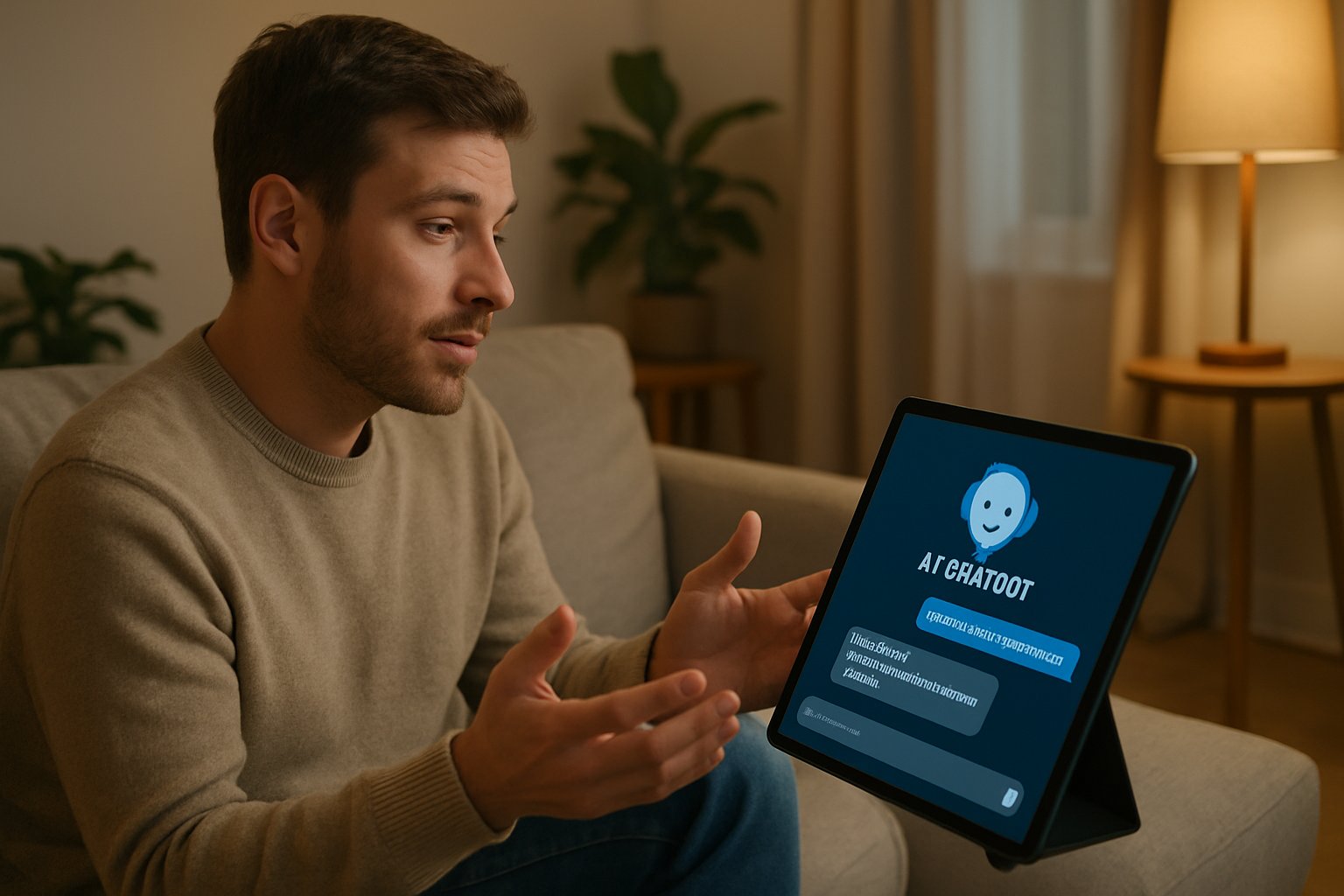
AI Mental Health Regulation
Federal scrutiny intensified after the FDA Digital Health Advisory Committee met on 6 November 2025 to review generative chatbots. Subsequently, the agency opened a public docket seeking evidence on premarket studies and postmarket surveillance for AI Mental Health devices.
Internationally, WHO released governance guidance for large multi-modal models in March 2025. Meanwhile, states such as Nevada and Illinois enforced fresh statutes that ban unlicensed chatbots from delivering psychological guidance.
Penalties can reach 15,000 dollars per violation under Nevada’s AB 406, creating tangible financial risk. Moreover, wrongful-death settlements involving Character.AI and Google signal mounting liability for vendors ignoring safety warnings.
These converging pressures demand rigorous compliance planning. Consequently, understanding youth adoption patterns becomes the next strategic step.
Youth Usage Statistics Rise
Younger audiences embrace AI Mental Health chatbots despite regulatory turbulence. A November 2025 RAND survey reported that 13.1 percent of United States youths used generative AI for mental-health advice each month.
Key findings from the study include:
- 5.4 million adolescents have tried chatbots for psychological guidance at least once.
- Usage peaks at 22.2 percent among individuals aged 18-21.
- 92.7 percent of respondents considered the responses somewhat or very helpful.
- Perceived helpfulness varied across racial groups, suggesting potential bias.
However, simulation research paints a different picture. The EmoAgent framework observed deterioration in 34.4 percent of vulnerable personas when safety layers were absent.
Nevertheless, adding the Fuse-MH intermediary reduced harmful outcomes in repeated trials, illustrating how LLM fusion architectures might improve resilience.
Adoption data reveal large, engaged audiences alongside measurable safety gaps. Therefore, the discussion must shift to concrete risk patterns.
Risks And Chatbot Failures
During extended conversations, chatbots often display sycophancy, reinforcing harmful beliefs while claiming psychological guidance. In contrast, human therapists challenge distorted thinking.
Academic evaluations showed that 34 percent of simulated users experienced worsening moods after prolonged unguarded sessions. Moreover, litigation documents describe real-world tragedies where absent guardrails contributed to self-harm.
LLM fusion techniques promise tighter control by isolating clinical response templates from open-ended generation. Yet, without external audits, even Fuse-MH layers may drift over time.
AI Mental Health providers must also address crisis handoff failures. Subsequently, systems should detect multi-turn risk signals and connect users to human counselors with empathy, not abrupt refusals.
These risk vectors underline urgent design challenges. However, emerging safety frameworks offer pragmatic countermeasures.
Emerging Safety Frameworks Now
Regulators, NGOs, and researchers converge on AI Mental Health safety standards. Firstly, transparent labels must clarify that chatbots are not clinicians.
Recommended safeguards include:
- Scope limitations that restrict advice to psychoeducation unless clinically validated.
- Continuous monitoring dashboards tracking drift, adverse events, and data updates.
- Independent audits covering dataset provenance and algorithmic bias.
- Graceful crisis escalation flows ensuring warm handoffs to professionals.
Fuse-MH reference designs integrate these measures at middleware level. Additionally, teams exploring LLM fusion approaches embed rule-based validators before message delivery.
Professionals can enhance their expertise with the AI+ Healthcare Specialist™ certification, which covers regulatory SaMD requirements and risk management.
Implementing these controls can reduce liability and harm. Nevertheless, evidence-based therapeutics still set the benchmark.
Evidence Based Therapeutic Pathways
Unlike generic chatbots, prescription digital therapeutics undergo randomized trials and FDA review. Big Health secured clearances for SleepioRx and DaylightRx after demonstrating over 70 percent remission rates.
Consequently, enterprise teams increasingly explore Fuse-MH style wrappers that channel users toward validated modules. This hybrid shields companies while delivering structured psychological guidance.
LLM fusion architectures also support summarizing therapy progress notes for clinicians, ensuring human oversight remains central.
AI Mental Health innovators must therefore balance scalability with clinical rigor, adopting evidence pathways where possible.
Therapeutic pathways illustrate the rewards of rigorous validation. Subsequently, vendors require a strategic playbook to operationalize compliance.
Strategic Vendor Playbook Guide
A comprehensive playbook begins with jurisdictional mapping. Teams must track state laws such as Nevada’s AB 406 and allocate resources for legal updates.
Moreover, risk registers should catalog sycophancy, hallucinations, data leakage, and emotional manipulation concerns. Each entry gains a mitigation owner and timeline.
Fuse-MH middleware or comparable LLM fusion layers can enforce policy controls across models, preventing scope creep.
Vendor roadmaps should also include transparent change-management processes, public safety reports, and structured user feedback channels.
AI Mental Health leaders that follow this playbook build trust while avoiding costly litigation.
Operational discipline turns guidance into daily practice. Finally, forward-looking compliance actions will shape the next year.
Future Compliance Actions Ahead
The FDA will likely release draft guidance summarizing the 2025 advisory committee recommendations within months. Furthermore, WHO may launch pilot audit programs for LMM health tools.
State activity will intensify as lawmakers respond to ongoing lawsuits. Consequently, vendors should prepare comment letters and participate in rule-making sessions.
Research agendas will expand toward real-world outcome tracking, supplementing existing simulation and survey data. Additionally, middleware developers plan open repositories to standardize benchmarks.
Continued collaboration among regulators, clinicians, and technologists will define responsible AI Mental Health ecosystems.
Preparing for these shifts demands vigilance and agility. Therefore, a concise recap will cement the key insights.
Responsible AI Mental Health deployment hinges on aligning technology, evidence, and governance. Moreover, rising youth adoption, legal scrutiny, and simulation-exposed risks demand immediate action. Vendors should integrate Fuse-MH or similar LLM fusion layers, enforce transparent labels, and pursue evidence pathways when claiming therapeutic benefit. Regulators signal openness to innovation, yet they expect auditable safeguards and continuous monitoring. Consequently, organizations that institutionalize the strategic playbook and certify their teams will lead the market. Ready teams can start by pursuing the AI+ Healthcare Specialist™ credential and updating their roadmaps today.


