

AI CERTs
2 hours ago
AI Infrastructure Squeeze: Memory Leaders Signal Shortage
Memory executives are sounding alarms across the semiconductor landscape.
Meanwhile, executives warn that an unprecedented wave of AI Infrastructure buildouts is consuming critical DRAM capacity.
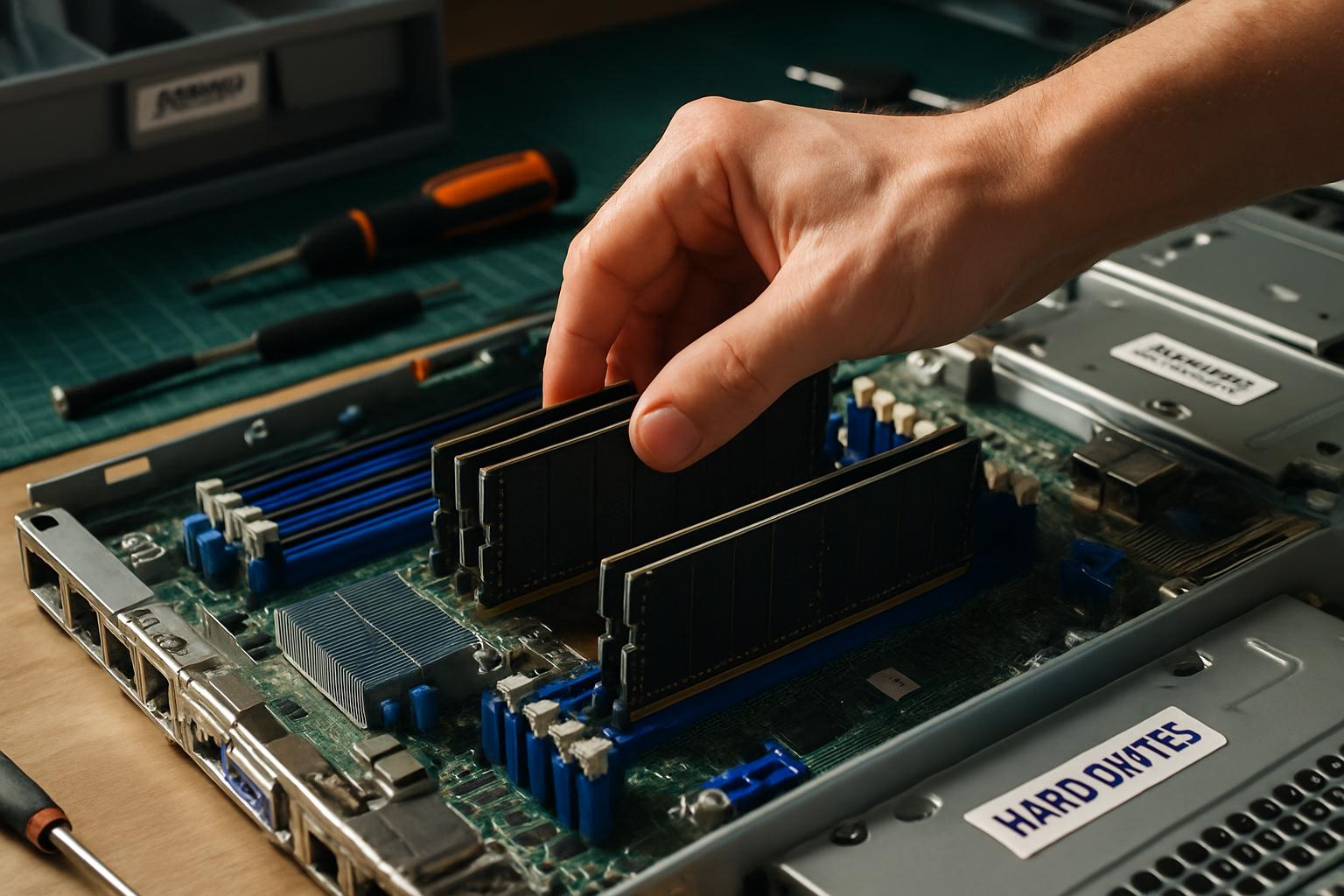
Consequently, consumer devices now compete with hyperscale data centers for every available memory wafer.
This article explains how the shortage emerged, why prices keep climbing, and what leaders should do next.
Moreover, we examine impacts on Supply Chain management, Hardware roadmaps, and Global Demand forecasting.
Readers will leave with actionable insights and credible figures drawn from Micron, Samsung, SK hynix, and OpenAI reports.
In contrast, speculative claims are avoided; only verified data underpins each conclusion.
Additionally, the piece offers practical certification guidance for teams navigating high-stakes procurement decisions.
Prepare to understand the forces reshaping memory markets during the most intense supply imbalance in a decade.
Why Memory Shortage Matters
HBM sits at the heart of modern accelerators, feeding Nvidia GPUs that train large language models.
However, manufacturing lines must choose between high-bandwidth die stacks and commodity DDR modules for smartphones.
Micron EVP Manish Bhatia calls the resulting gap "really unprecedented," underscoring structural constraints rather than temporary missteps.
Furthermore, OpenAI’s Stargate program alone could demand 900,000 DRAM wafer starts each month, redirecting capacity toward AI Infrastructure applications.
The shortage stems from deliberate allocation toward premium server memory. Consequently, consumer categories face escalating scarcity and cost pressure. Next, we assess how escalating demand reshapes production footprints.
AI Demand Reshapes Production
Samsung, SK hynix, and Micron have shifted fab schedules toward HBM because margins are superior.
Meanwhile, analysts estimate that AI Infrastructure orders already consume more than one third of total DRAM wafer starts.
In contrast, mobile DRAM customers report 20-40 week lead times, a figure unseen since the early pandemic.
Moreover, many 2026 production slots are pre-sold, limiting flexibility even if Global Demand forecasts change.
Therefore, new fabs in Idaho, Pyeongtaek, and Cheongju will arrive too late for immediate relief.
Investment is massive yet inherently slow. Consequently, AI Infrastructure will dominate allocation through at least 2027. The next section explores downstream Hardware consequences.
Ripple Effects On Hardware
PC makers already adjust motherboard designs to support lower density DDR5 kits, mitigating BOM inflation.
However, some TV and IoT vendors remove memory-intensive features, trading performance for shipment viability.
Global Demand for consumer Hardware could soften as retail prices climb, according to TrendForce surveys.
Nevertheless, hyperscalers absorb every premium HBM stack they can secure for AI Infrastructure workloads, shielding high-end accelerator projects from compromise.
Consumer Hardware margins compress while server profits expand. Consequently, strategic balance across product portfolios becomes difficult. Supply Chain pressures now intensify those difficulties, as we discuss next.
Supply Chain Under Strain
Distributors report inventory buffers collapsing from 30 weeks to single digits within twelve months.
Additionally, allocation models force OEMs to place non-cancelable orders six months ahead, locking cash in materials.
In contrast, smaller firms lacking balance-sheet strength struggle to secure contracts, heightening bankruptcy risk.
Moreover, geopolitical export controls inject added complexity into the Supply Chain, especially for Chinese assemblers.
Tighter logistics magnify the memory crunch. Therefore, Supply Chain resilience becomes a board-level priority. We now turn to pricing data and market forecasts.
Price Trends And Forecast
Contract DRAM prices climbed 50-300 percent across AI Infrastructure segments between mid-2025 and early-2026.
Furthermore, spot DDR5 modules occasionally surged several hundred percent within days, according to distributor dashboards.
- HBM capacity reportedly sold out through 2026.
- Lead times stretch to 40 weeks for server DIMMs.
- SK hynix holds 36 percent DRAM share, dominating HBM.
- OpenAI Stargate may consume 40 percent of new wafer output.
Consequently, analysts describe a potential supercycle that strengthens vendor margins through 2027.
Nevertheless, oversupply risks linger if Global Demand softens or if yield ramps exceed expectations.
Prices remain elevated under most scenarios. Subsequently, budget planning must reflect volatile baselines. Industry responses aim to mitigate those shocks, as detailed next.
Strategic Industry Responses Emerging
Micron committed more than $200 billion toward new fabs and advanced packaging lines.
Meanwhile, Samsung accelerates HBM4 development, betting on sustained AI Infrastructure appetite.
Furthermore, SK hynix diversifies suppliers for chemicals and tools, bolstering Supply Chain resilience.
Professionals can strengthen negotiation skills through the AI Sales Professional™ certification, preparing teams for tight allocation markets.
Moreover, OEMs hedge by dual-sourcing memory and redesigning Hardware enclosures for flexible capacity tiers.
Capital intensity and training uplift are accelerating. Consequently, success favors firms aligning investment, skills, and contracts. Leaders now need clear action steps, discussed in the final section.
Action Steps For Leaders
Assess inventory weekly and model Global Demand using conservative scenarios.
Additionally, negotiate multi-year volume agreements that prioritize AI Infrastructure allocations yet preserve mobile lines.
Diversify suppliers across geographies to enhance Supply Chain continuity against export shocks.
Integrate Hardware redesign cycles with memory forecasts, reducing risk of last-minute board changes.
Moreover, track fab construction milestones to anticipate capacity inflections before analysts publish updates.
Finally, enroll procurement managers in programs aligned to AI Infrastructure negotiation dynamics.
Proactive planning secures scarce memory. Therefore, organizations that act now will outpace slower rivals.
Global memory markets sit at a pivotal juncture. Nevertheless, disciplined leaders can thrive during turbulence. This article showed how AI Infrastructure demand, constrained Hardware supplies, and fragile Supply Chain networks converge to fuel record prices. Moreover, we traced Global Demand trends and vendor strategies shaping outcomes through 2027. Consequently, informed executives must secure capacity, diversify risk, and build negotiation talent. Consider augmenting those talents with the earlier AI Sales Professional™ certification. Act today to position your enterprise ahead of the next supply shock.


