

AI CERTs
1 month ago
AI HR Lawsuits: Managing Bias, Legal Risk, and Compliance
An unexpected battle is unfolding in talent acquisition courts. Over the last 18 months, plaintiffs have targeted resume screeners, scoring algorithms, and video-interview tools. Consequently, judges are treating these systems like any other contested employment practice. The shift places AI HR technology under the same microscope once reserved for human managers. Moreover, early rulings suggest nationwide exposure for vendors and employers alike. Workday, HireVue, and Eightfold now face collective actions, ADA complaints, and consumer-report theories. Meanwhile, federal enforcement has softened after April 2025 directives, intensifying private litigation. SHRM reports 43% of organizations already use such systems for Recruitment tasks. Therefore, the stakes stretch across the modern Workforce. This article examines the lawsuits, Discrimination theories, regulatory moves, and mitigation strategies. Readers will gain clarity on legal risk, Governance Ethics, and next steps.
Lawsuits Reshape AI HR
May 16, 2025 marked a turning point. The Northern District of California preliminarily certified a collective in Mobley v. Workday. Consequently, age-bias claims connected to Workday’s applicant Screening platform advanced toward discovery. Courts authorized notice to applicants who interacted with the software after September 2020. In contrast, Workday insists customers keep human oversight and that no unlawful Discrimination exists. Nevertheless, the potential class spans millions of candidates, highlighting systemic risk across AI HR deployments. March 7, 2026 now stands as the opt-in deadline, keeping pressure high. ACLU attorneys watching the docket predict aggressive data production about training datasets, feature weighting, and audit logs. These disclosures could influence parallel suits against HireVue and Eightfold. Thus, early victories for plaintiffs signal that algorithmic tools will be judged like long-standing employment procedures.
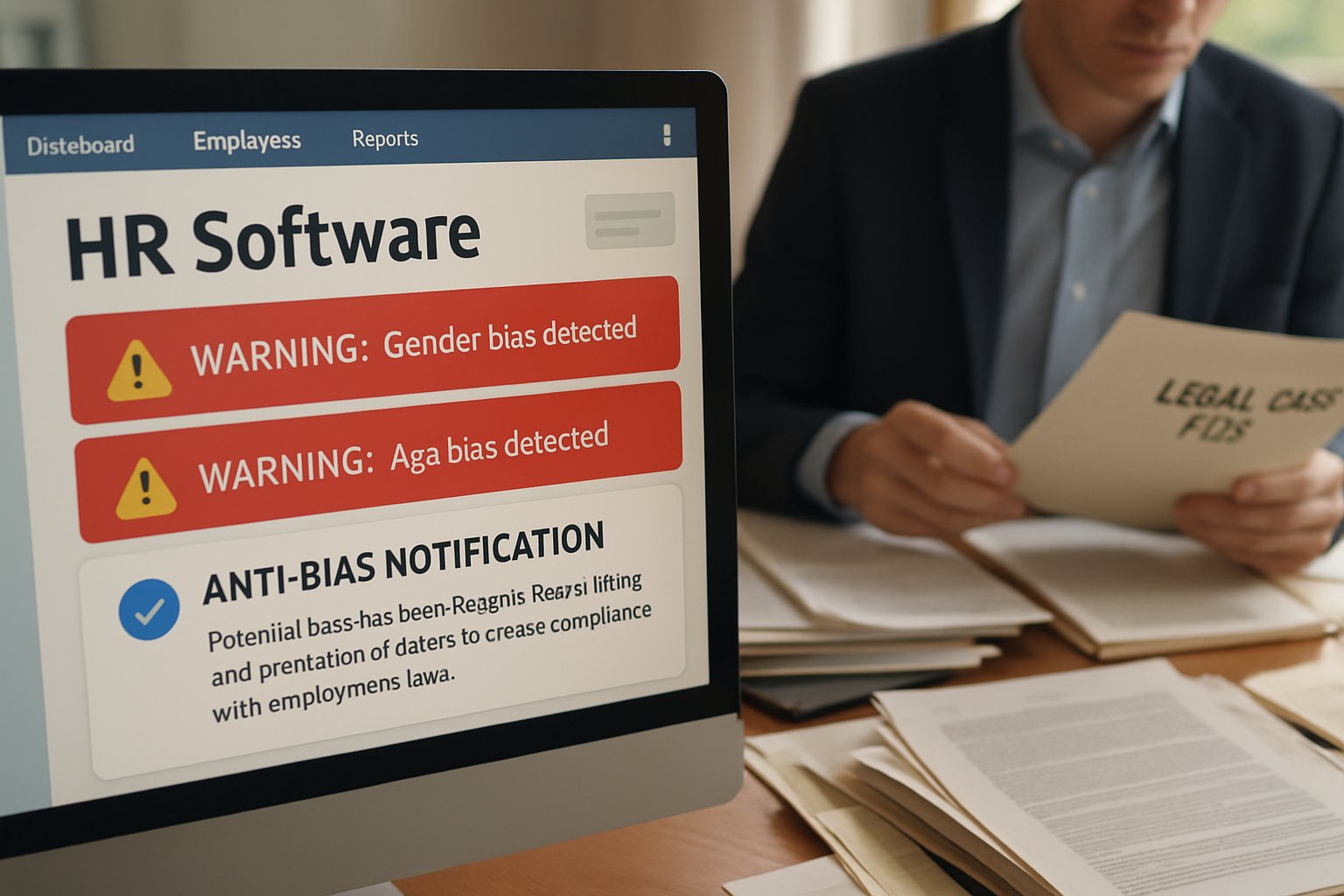
Major Cases Timeline Overview
Several other disputes moved quickly during 2025 and early 2026. Moreover, each case tests a distinct legal angle.
- March 19, 2025: ACLU lodged an ADA and Title VII complaint against Intuit and HireVue over inaccessible video analysis.
- January 2026: A proposed class action claims Eightfold’s scoring reports violate the Fair Credit Reporting Act.
- 2024-2026: Additional settlements surfaced, including earlier HireVue and CVS accords that required bias audits and policy reforms.
Furthermore, press coverage has intensified as these filings proceed. Plaintiffs’ firms advertise opt-in opportunities across social media, expanding awareness within the Workforce. Consequently, vendors must prepare for subpoenas covering model validation, data provenance, and Screening outcomes. The timeline underscores how quickly AI HR litigation matured from isolated claims to coordinated national campaigns.
Emerging Legal Theories
Counsel have advanced creative theories to fit algorithmic tools within existing statutes. Consequently, courts must decide vendor liability and procedural duties.
Disparate Impact Claim Details
Plaintiffs rely on statistical evidence showing protected groups receive lower scores or rejection rates. Therefore, even neutral code may cause illegal Discrimination. Workday’s collective action exemplifies this route, pairing internal model documentation with demographic analytics. However, the President’s April 23, 2025 directive deprioritized federal disparate-impact enforcement, pushing matters toward private suits and state regulators.
FCRA Consumer Report Argument
The Eightfold complaint contends that enriched profiles constitute consumer reports under the FCRA. Consequently, vendors would need applicant consent, accuracy checks, and adverse-action notices. Should judges agree, AI HR suppliers nationwide may face steep compliance costs. Moreover, parallel state privacy statutes could create overlapping obligations.
Collectively, these theories expand liability beyond traditional Recruitment practices. Nevertheless, vendors argue that customers control final decisions, challenging causation. The next section explores shifting regulations that will guide outcomes.
Regulatory Landscape Shifts
Policy makers also act, though unevenly. New York City’s Local Law 144, effective January 2024, mandates bias audits and disclosure for automated Screening. California followed with employment ADS rules effective October 2025, declaring biased tools unlawful unless job-related and necessary. Meanwhile, federal agencies retreated. The EEOC circulated an internal memo in September 2025 narrowing disparate-impact cases. Consequently, state attorneys general and private plaintiffs now fill the enforcement vacuum. NIST’s AI Risk Management Framework offers technical guidance, emphasizing lifecycle bias controls and Ethics principles. Moreover, SHRM surveys report 51% of recruiters rely on algorithmic systems, adding urgency. Therefore, organizations must track multi-level compliance, particularly when deploying AI HR platforms across jurisdictions.
The fractured landscape creates conflicting incentives. However, proactive harmonization can reduce exposure, as the following mitigation strategies show.
Business And Technical Mitigations
Companies cannot wait for definitive rulings. Consequently, many employers adopt layered safeguards. Organizations deploying AI HR programs often begin with five common steps.
- Independent bias testing with representative demographic datasets before every major release.
- Human-in-the-loop overrides whenever automated scores trigger adverse actions.
- Accessible interfaces, captioning, and alternative assessments to avoid disability Discrimination.
- FCRA-style disclosure, consent forms, and dispute channels for candidate profiles.
- Documented data provenance, retention limits, and clear Ethics governance charters.
NIST guidance reinforces these steps, urging continuous risk monitoring. Furthermore, professionals can enhance their expertise with the Chief AI Officer™ certification. The credential equips leaders to align AI HR strategy with compliance, Security, and Workforce objectives. Consequently, early adopters report lower litigation anxiety and smoother Recruitment outcomes.
These controls do not guarantee victory in court. Nevertheless, they demonstrate good-faith efforts that often sway regulators and judges. The final section distills practical lessons.
Strategic Takeaways For Employers
Legal exposure grows alongside adoption. Consequently, boards should treat algorithmic hiring risk like any other enterprise hazard. First, map every AI HR component across the talent lifecycle. Secondly, audit vendor contracts for indemnity, data rights, and transparency clauses. In contrast to legacy software, algorithms evolve post-purchase, demanding ongoing vigilance. Moreover, extend Workforce training to recruiters and hiring managers who rely on automated Screening. Clear protocols reduce hasty overrides and inconsistent decisions. Additionally, maintain communication channels with advocacy groups and regulators. Early dialogue often forestalls costly Discrimination claims. Finally, validate outcomes periodically, comparing protected-class pass rates against benchmarks. Therefore, evidence of continuous improvement supports a good-faith defense.
These steps promote balanced innovation. However, unresolved judicial questions remain, requiring watchful attention that our conclusion summarizes.
Algorithmic hiring has entered a critical litigation phase. Courts now probe technical minutiae once hidden behind marketing decks. Meanwhile, state rules and private lawyers accelerate oversight as federal agencies pull back. Consequently, any AI HR initiative must embed rigorous audits, accessible design, and transparent notices. Employers that align Recruitment technology with robust Ethics standards protect their Workforce and brand. Moreover, professionals who master governance frameworks gain a competitive edge. Therefore, consider pursuing the Chief AI Officer™ certification to lead compliant transformations. Act now to build trustworthy systems before the next lawsuit reaches your inbox.


