

AI CERTs
4 hours ago
AI Homily Debate: Pope Clarifies Guidance
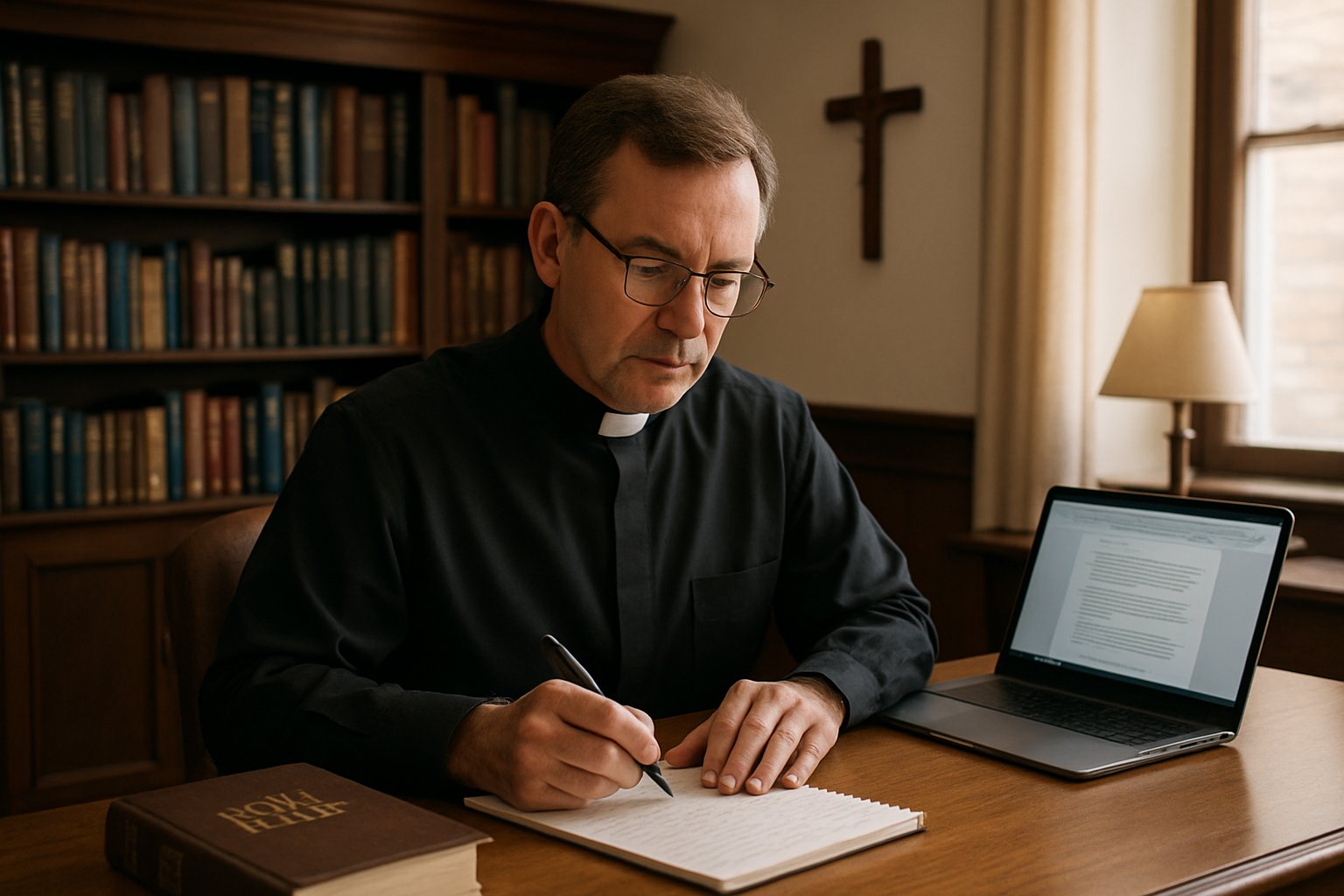
Rumors spread quickly when technology and faith collide. Consequently, several outlets reported that Pope Leo XIV had banned sermons entirely. However, Vatican documents do not support that dramatic claim. During a closed-door dialogue on 19 February 2026, the Pope urged priests to avoid artificial intelligence when drafting homilies. He warned, “Resist the temptation to prepare homilies with Artificial Intelligence,” aiming to protect preaching authenticity. That remark birthed the phrase increasingly echoed across forums: AI Homily. Moreover, the guidance was never issued as canon law or formal decree. Yet the message matters for ministers, technologists, and platform regulators alike. This article unpacks the Vatican conversation, platform context, and emerging ethical implications. Additionally, it offers concrete steps for clergy and developers navigating artificial intelligence inside religious spaces. Readers will also find certification resources for shaping responsible policy beyond church walls. Therefore, let us examine facts before drawing conclusions about sermons in the digital age.
Context Behind Papal Guidance
Firstly, understanding the setting clarifies the message. Pope Leo XIV met with Rome clergy inside the Vatican’s Saint John Lateran complex. During the informal exchange, priests posed questions about pastoral formation, youth outreach, and digital ministry. Subsequently, the Pope stressed disciplined preparation rooted in prayer, study, and personal witness. He cautioned that outsourcing reflection to algorithms could weaken intellectual muscles. Therefore, he urged restraint rather than issuing legislative commands. Vatican News published the transcript on 20 February 2026, framing it as pastoral counsel. In contrast, several media outlets abbreviated the nuance and framed the advice as a sweeping ban. Such compression fuels confusion among readers and developers alike. Consequently, stakeholders now debate how far the guidance extends. Remember, no canon law changed during that week. This distinction sets the foundation for deeper analysis ahead.
Timeline Of Key Events
Moreover, a concise timeline highlights how discussion escalated.
- 19 Feb 2026: Closed-door Q&A between Pope Leo XIV and diocesan priests.
- 20 Feb 2026: Vatican News releases full transcript for public review.
- May 2025: YouTube removes AI deepfake channel imitating the Pope's sermons.
- Late Feb 2026: International outlets report an alleged "ban" generating viral social chatter.
Consequently, each milestone shaped public perception of the AI Homily debate. Additionally, the timeline shows the issue predates the Pope’s recent warning.
Deepfakes Threaten Homily Authenticity
Deepfake technology can clone voices and faces with startling precision. Therefore, counterfeit papal sermons circulated widely before platform intervention. One terminated channel amassed eighteen thousand subscribers and almost one million views. Meanwhile, the most watched fake video reached three hundred thirty thousand impressions. Such numbers alarm pastoral leaders who cherish Authenticity in sacramental contexts. In contrast, technologists argue that detection tools are improving rapidly. Nevertheless, the same tools empower malicious actors to scale deception cheaply. Religion communities become prime targets because audiences often trust clerical imagery implicitly. Consequently, the Pope’s warning resonates beyond Catholic circles. Multiple faith traditions now wrestle with identical threats to liturgical speech. Authenticity remains central to worship, regardless of denomination or platform. These examples illustrate why proactive guidance matters. Moreover, they demonstrate the stakes when AI Homily content spreads unchecked. Such awareness prepares us for the ethical reflection ahead.
Ethical Questions For Clergy
Ethics sits at the heart of pastoral technology adoption. Priests face workload pressures, especially in understaffed parishes. Some consider generative models helpful for outlining thematic structures quickly. However, critical questions arise about intellectual ownership and spiritual responsibility. Does an algorithm truly grasp Scripture’s living spirit? Furthermore, would congregations accept synthetic reflections as authentic proclamation? The Pope’s analogy of unused muscles underscores personal engagement with sacred texts. Religion scholars add that prayerful discernment cannot be delegated to code. Consequently, many diocesan formation programs emphasize manual exegesis exercises. Nevertheless, some ethicists argue for balanced tool use under clear disclosure norms. Their view treats AI Homily drafts as preliminary aides, not finished spiritual counsel. This debate illustrates evolving Ethics within clergy practice. Understanding both sides will shape future policy discussions. Therefore, continued dialogue remains essential.
Diverse Stakeholder Reactions Emerge
Reactions to the guidance differ among stakeholders. Supporters praise the emphasis on pastoral Authenticity and intellectual rigor. OSV News called the remarks "important counsel for protecting witness". Meanwhile, some technologists highlight productivity gains possible when models draft initial outlines. In contrast, platform representatives underline their duty to remove deceptive content impersonating public figures. YouTube cited existing policies against misleading audio or video. Furthermore, digital Ethics scholars urge transparent labeling of any machine-generated religious speech. Grass-roots priests respond pragmatically, noting time saved by simple grammar suggestions. Nevertheless, they acknowledge the risk of homogenized sermons lacking local context. These mixed reactions show the AI Homily conversation is far from settled. Consequently, decision makers should consider evidence from multiple domains before enacting norms. Such inclusive dialogue will prevent premature polarization.
Practical Guidance And Tools
Clergy and technologists can adopt practical safeguards immediately. Moreover, several straightforward steps reduce vulnerability to misuse.
- Verify source URLs before sharing any purported papal audio.
- Use watermarking or cryptographic signatures for official Vatican livestreams.
- Disclose limited AI assistance whenever preparing an experimental AI Homily draft.
- Employ plagiarism detectors to confirm original commentary and proper citations.
- Pursue continuous formation through the AI Policy Maker™ certification.
Additionally, sermon preparation workshops can integrate peer review sessions for constructive feedback. Therefore, parishes reinforce accountability while embracing measured innovation. These tools encourage responsible experimentation. Consequently, clergy safeguard community trust during digital transformation.
Future Monitoring And Action
Looking ahead, observers expect further clarification from the Vatican or local bishops. However, no formal decree appears imminent. Subsequently, academic theologians will likely publish frameworks for evaluating AI Homily quality. Platform policies may tighten impersonation rules as deepfake generation tools mature. Moreover, seminaries could introduce mandatory digital Ethics modules. Cross-disciplinary research teams are already assessing comprehension and retention among congregants hearing algorithmic drafts. Religion educators stress that empirical data should guide decisions, not hype. Ultimately, transparent metrics will reveal whether technology enhances or degrades homiletic effectiveness. These developments warrant continuous monitoring. Therefore, stakeholders must remain adaptable and collaborative. Such vigilance will keep the AI Homily conversation grounded in reality.
Conclusion And Next Steps
The Pope’s February remarks sparked a timely debate at the intersection of ministry and machine learning. Importantly, no sweeping prohibition exists; instead, careful pastoral guidance underscores Authenticity and human presence. Moreover, evidence from deepfake incidents confirms why vigilance remains essential. Ethics, platform policy, and pastoral formation must evolve together. Consequently, leaders who master both theology and technology will serve communities most effectively. Professionals can deepen insight through the linked certification and apply lessons beyond church walls. Explore the resource, elevate your AI Homily strategy, and champion responsible innovation. Ultimately, each AI Homily should emerge from hearts committed to truth, service, and informed creativity.


