

AI CERTS
3 months ago
AI Era Reshapes Lending Compliance Obligations
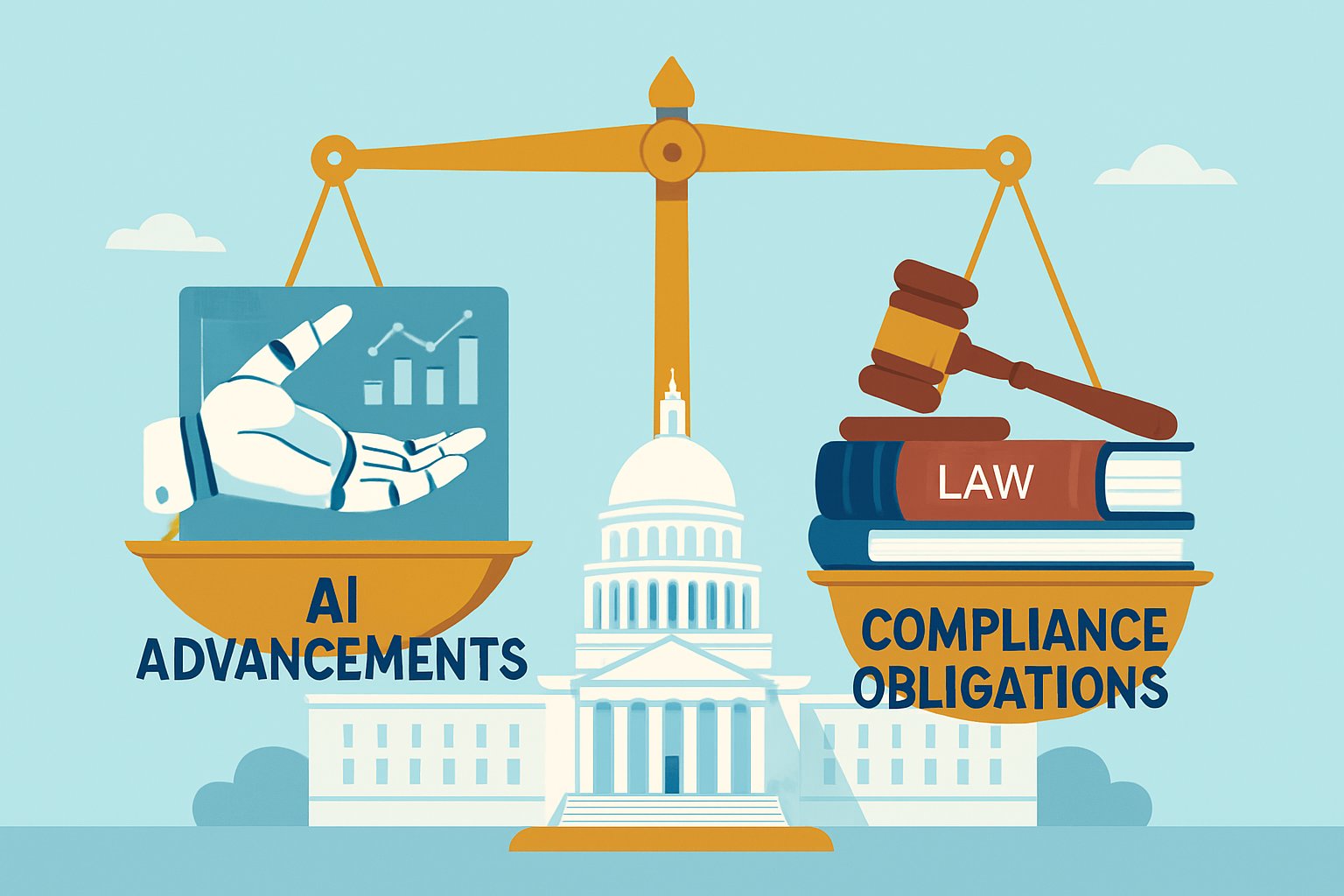
Massachusetts extracted $2.5 million from Earnest over flawed student loan algorithms this July. Federal agencies followed with fresh guidance covering adverse-action notices and automated valuation models. EU lawmakers labelled many credit models high-risk, imposing lifecycle testing and documentation duties. Industry surveys still project massive value; McKinsey cites $340 billion in annual banking upside. This upside fuels rapid adoption, yet every new model widens potential liability. Therefore, lenders must balance innovation with meticulous governance to survive the tougher era ahead.
Compliance Pressures Intensify Now
Recent policy statements confirm there is no artificial intelligence exemption under consumer or civil rights statutes. Moreover, Lending Compliance officers must now document model logic as carefully as traditional scorecards.
CFPB Director Rohit Chopra warned that creditors still owe precise denial reasons, regardless of algorithmic complexity. Therefore, black-box defenses will likely fail during examinations or litigation.
Collectively, these messages raise the baseline for every lender. In contrast, the next section highlights where enforcement is already landing.
Key Enforcement Flashpoints Emerging
July’s Earnest settlement offers a roadmap of likely pain points. State Scrutiny focused on knockout rules, inadequate bias testing, and misleading adverse-action notices.
Similarly, federal agencies finalized rules for automated valuation models that demand discrimination safeguards and robust validation. Mortgage Lenders running appraisal engines must update quality control before the rule’s phased deadlines arrive.
- Unexplained model variables breaching Lending Compliance expectations
- Vendor algorithms lacking documented bias audits
- Generic denial codes violating specificity rules
Consequently, enforcement targets both technical design and surrounding governance process. Subsequently, we explore how diverse states complicate that landscape.
State Patchwork Drives Complexity
While Washington debates new statutes, attorneys general are already filling perceived gaps. Colorado, Texas, and Massachusetts showcase rising State Scrutiny backed by consumer-protection authority.
Requirements also differ across marketing disclosures, opt-out rights, and data retention. Therefore, multi-state Mortgage Lenders confront conflicting timelines and reporting templates.
Regulatory Risk multiplies when compliance teams miss local nuances. Moreover, enforcement forums can switch from federal regulators to state courts overnight.
Effective Lending Compliance architectures therefore, require dynamic jurisdictional tracking. Harmonizing controls across jurisdictions demands proactive mapping and flexible policy design. Next, we examine how firms are operationalizing that strategy.
Operational Responses Taking Shape
Boards increasingly request heat maps detailing model inventory, ownership, and status. Additionally, many have woven Lending Compliance metrics into executive scorecards.
Leading banks now embed model risk professionals into agile development squads. Consequently, validation occurs in sprint cycles rather than post-deployment.
- Define clear model taxonomies aligned with Lending Compliance obligations
- Run pre-deployment disparate impact tests using counterfactual analysis
- Map explainability outputs to consumer notice templates
- Audit vendor training data and survivorship assumptions
- Maintain remediation playbooks for discovered bias
Professionals can enhance their expertise with the AI Security & Compliance™ certification. Moreover, credentialed staff help demonstrate competent oversight to demanding examiners.
These steps create defensible processes but cannot erase every uncertainty. Therefore, understanding the technology’s dual nature remains essential.
Technology Benefits And Risks
McKinsey estimates generative AI could unlock $340 billion yearly for banking. Furthermore, EY surveys show executives ranking AI among top innovation priorities.
Sound Lending Compliance practices help capture gains without legal fallout. In contrast, unchecked deployment intensifies Regulatory Risk through bias, data leakage, and holiday drift.
Mortgage Lenders also face reputational damage if automated decisions appear arbitrary. State Scrutiny and global watchdogs therefore stand ready to intervene.
Nevertheless, disciplined governance lets institutions reap efficiency while protecting consumers. Balancing upside and danger defines strategic success. Finally, we look ahead to near-term rulemaking signals.
Future Regulatory Trajectory Ahead
Observers expect continued reliance on existing statutes for rapid enforcement. Meanwhile, examiners will increasingly deploy AI, raising expectations for auditable evidence.
EU implementation timelines mean cross-border lenders must align documentation with high-risk system standards. Consequently, global Regulatory Risk management will hinge on shared taxonomies and data lineage.
Industry advocates urge proportionate rules to avoid stifling inclusion. Nevertheless, consumer groups insist tougher Lending Compliance penalties remain necessary.
GAO Oversight Signals Rise
GAO reports show supervisors adopting AI to detect anomalies faster. Subsequently, firms should anticipate deeper data requests during examinations.
Expect policy debates to intensify as early enforcement sets precedent. Stakeholders should monitor rulemaking dockets and agency speeches closely.
Heightened requirements signal a long haul for risk teams. Consequently, Lending Compliance now sits at the strategic core for Mortgage Lenders navigating expanding Regulatory Risk and State Scrutiny. Robust frameworks, continuous testing, and certified talent form the new minimum standard. Moreover, executives must track cross-border developments to avoid fragmented controls. Effective strategies blend agility with documented rigor. Therefore, organizations should invest in governance, seek specialized education, and engage regulators early. Explore additional insights and certifications to safeguard innovation while upholding consumer trust.


