

AI CERTS
2 hours ago
AI Education Clash: SNU Bans Generative Tools in Freshman Exam
Supporters applaud decisive action against potential cheating. Critics, meanwhile, fear the policy misunderstands literacy in an algorithmic era.
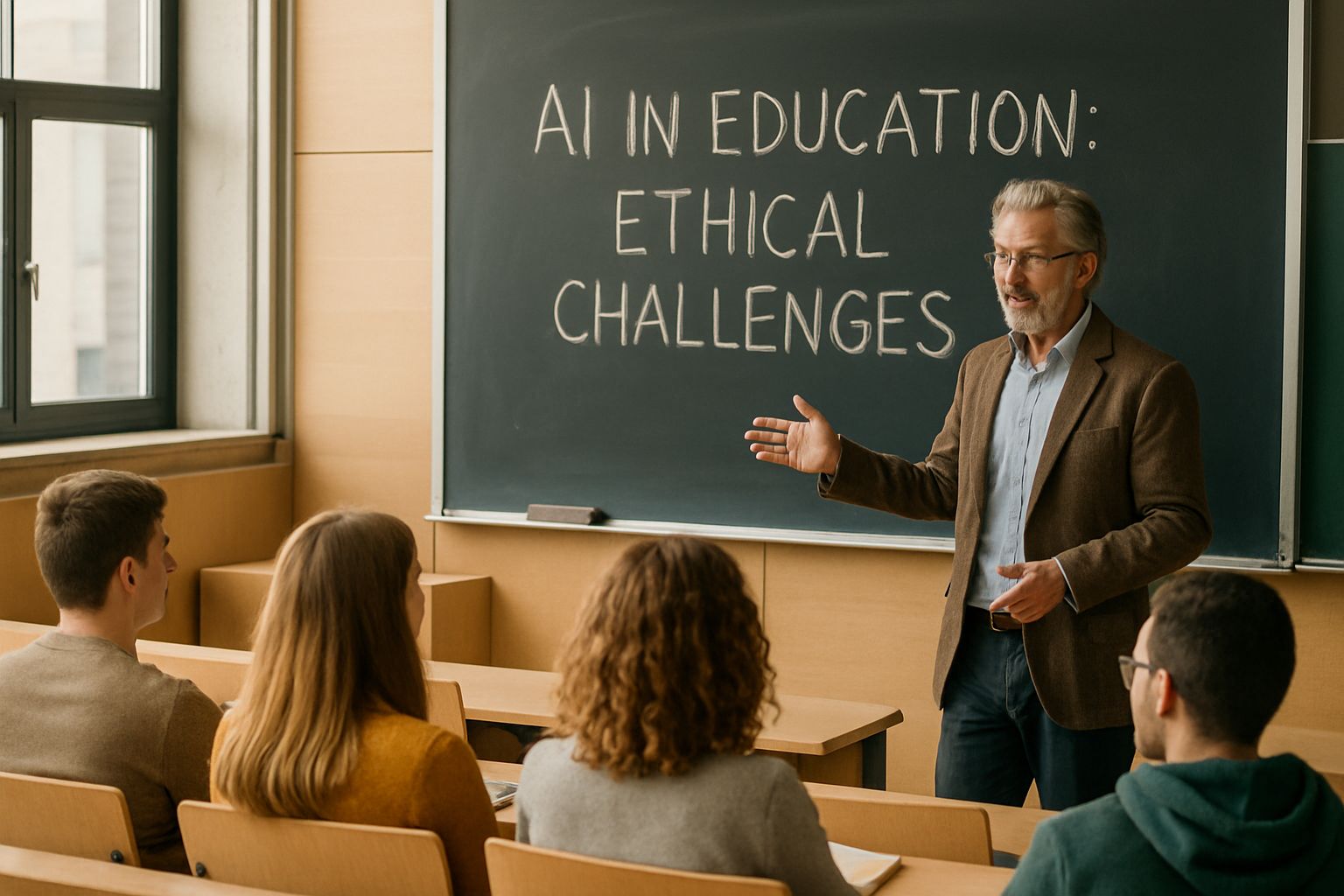
This article unpacks the policy, reactions, and strategic implications for universities worldwide. Moreover, it offers practical guidance for educators balancing innovation and trust.
Policy Shift Raises Stakes
SNU officially announced the prohibition on 27 January 2026. Therefore, every incoming student must sign an online ethics pledge before accessing the prompt. The mandate targets the compulsory assessment that diagnoses baseline composition proficiency for placement.
Previously, the test only warned against plagiarism, not specific technologies. Consequently, administrators argued a stronger stance was necessary after recent cheating scandals. They highlighted falling average scores, from 73.7 in 2017 to 60.7 in 2024.
- 2017 average: 73.7
- 2020 average: 65.6
- 2024 average: 60.7
Such numbers, officials claim, justify immediate reform. In contrast, some faculty worry the sudden prohibition sacrifices pedagogical nuance for optics. These diverging views illustrate the stakes for assessment legitimacy. However, understanding exam logistics clarifies the enforcement challenge ahead.
Exam Format And Timeline
The assessment opens on 2 February at 09:00 and closes on 11 February at 17:00. Students view the writing prompt once, then submit within 72 hours. Additionally, responses must contain 1,800 to 2,000 Korean characters, excluding citations.
Submission occurs through the university’s SHINE portal, without live proctoring. Meanwhile, system logs will record timestamps and file metadata for later audits. Nevertheless, officials have not disclosed any AI‐text detection software or browser monitoring.
This opacity fuels concerns about enforceability and fairness. Consequently, many observers doubt the Ban’s practical impact on determined Cheating. Such mechanics define the operational battlefield for integrity efforts. Therefore, we must examine why administrators felt compelled to escalate restrictions.
Integrity Concerns Spur Ban
University leaders frame the prohibition as a safeguard against escalating Cheating tactics. Earlier in December 2025, SNU invalidated a final exam after mass browser switching. Moreover, peer institutions Yonsei and Korea University faced similar scandals last year.
Therefore, stakeholders fear reputational damage if misconduct remains unchecked. Generative models can draft entire essays within seconds, undermining authentic prose measurement. Consequently, the Ban aims to provide uncontaminated data for remedial course planning.
Supporters argue the pledge deters casual misuse, even if it fails against calculated plots. They also claim students must demonstrate foundational competence before integrating AI Education tools. These factors explain the administration's risk calculus. Meanwhile, critics continue pressing for a more nuanced approach.
Critics Question Blanket Ban
Opponents counter that outright prohibition ignores the realities of modern AI Education. Professor Park Joo-ho proposes teaching transparent collaboration with models rather than forbidding them. He suggests assignments requiring disclosure of AI prompts and iterative revisions.
Additionally, Ajunews editorialists call the remote pledge system unenforceable. They stress detection tools remain unreliable and can punish innocent students. In contrast, process-based grading or oral defenses could verify authorship effectively.
Nevertheless, implementing such redesigns demands staffing and budget commitments. Stakeholders must weigh these trade-offs before expanding the Ban campus-wide. Overall, the debate centers on pedagogical relevance, not technology alone. Consequently, we shift to potential constructive frameworks.
Rethinking Writing In AI
Beyond policing, universities need a long-term blueprint for responsible AI Education. Curricula can incorporate AI critiques, data provenance analysis, and bias mitigation exercises. Furthermore, faculty can set tiered expectations: draft with AI, then annotate human edits.
Such pedagogy mirrors professional workflows adopted by newsrooms and consultancies. Students would graduate fluent in both composition mechanics and model oversight. Consequently, the line between legitimate assistance and Cheating becomes transparent.
Professionals may deepen expertise through the AI Educator™ certification. Moreover, such credentials align with institutional goals of scalable, ethical AI Education adoption. Together, these practices position learners for algorithmically augmented careers. Subsequently, universities must operationalize them through coherent policy roadmaps.
Strategic Path Forward
Universities must balance integrity, innovation, and equity when drafting AI Education policies. First, articulate clear definitions distinguishing assistance, collaboration, and plagiarism. Second, design assessments that capture process, not only final textual output.
Third, deploy layered enforcement, combining pledges, analytics, and selective in-person interviews. Furthermore, gather longitudinal data to evaluate whether policies actually lift scores. In contrast, reactionary bans without metrics risk bureaucratic theater.
Subsequently, stakeholder forums should review outcomes and iterate guidelines annually. SNU’s current experiment will offer valuable evidence, whatever the Cheating rate eventually proves. These steps convert abstract ideals into measurable actions.
SNU’s writing exam crackdown marks a pivotal case study. Consequently, institutions worldwide watch for lessons on AI Education integrity. The debate shows that effective AI Education demands transparent rules, resilient design, and continuous training.
Universities cannot rely on detection alone; they must embed AI Education across curricula and support services. Therefore, leaders should pilot mixed-method assessments and invest in faculty development. Ready to build systematic capability? Enroll in the linked certification and advance responsible AI Education today.


