

AI CERTS
3 hours ago
AI Drives Premium Hikes, Demands New Risk Assessment
However, not every executive grasps why the shift feels sudden. Moreover, several intertwined market forces accelerated pricing changes in only twelve months. The following analysis explains those forces and offers practical responses.
Key Market Shift Drivers
AI amplifies cyber threats through deepfakes and automated phishing. Meanwhile, regulators debate liability for hallucinations and copyright breaches. Reinsurers, fearing correlated losses, tighten capacity. For example, Munich Re warns that the best model still fails unpredictably.
Additionally, Verisk released optional generative-AI exclusions effective January 2026. Carriers adopting these forms remove ambiguous exposures. Businesses therefore confront narrowed protection unless they buy dedicated cover.
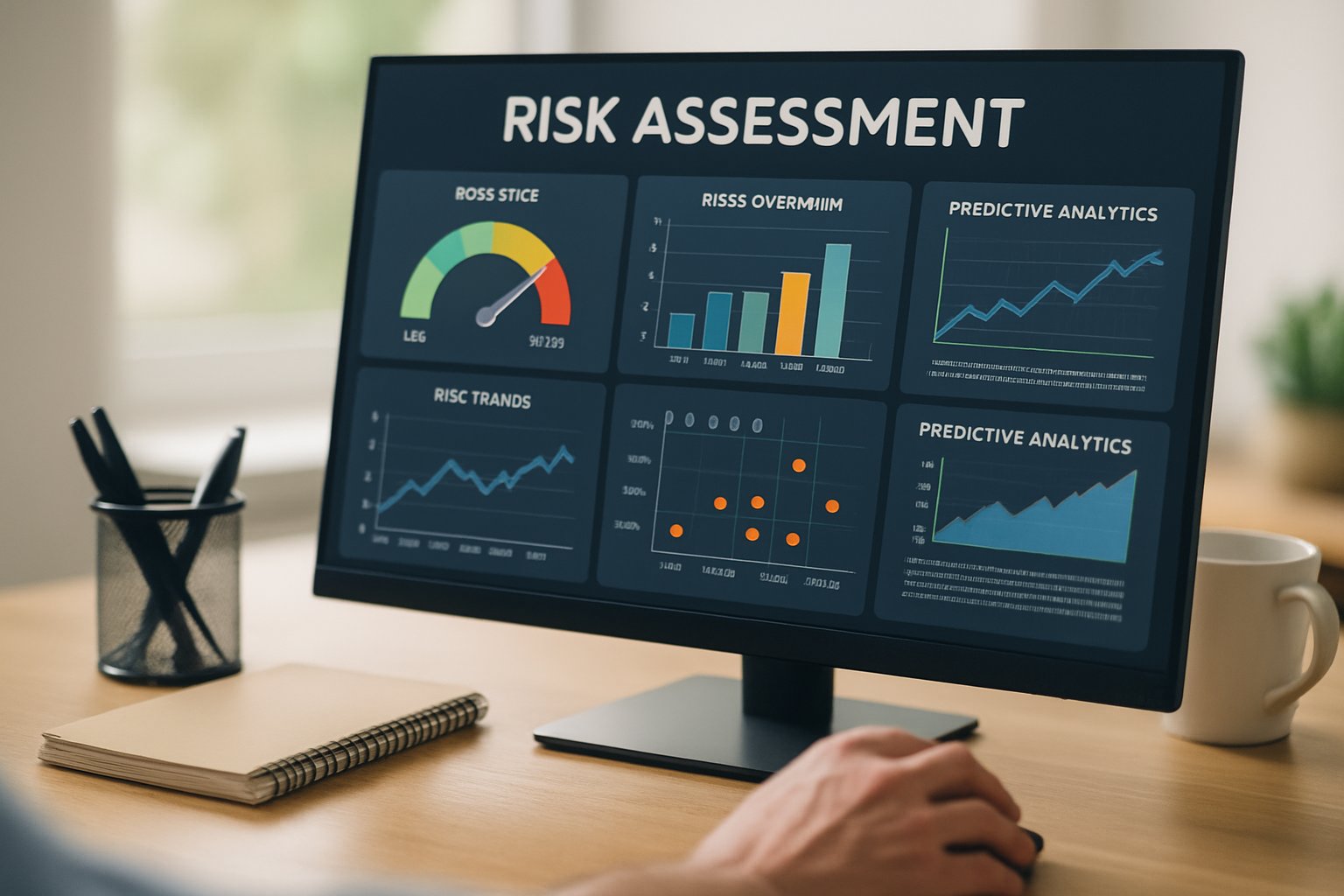
These drivers converge, pushing boards to prioritise Risk Assessment. Nevertheless, many still underestimate timeline pressure. The next section explores pricing mechanics.
Pricing And Capacity Trends
Forrester projects cyber written premiums will grow fifteen percent in 2026. Furthermore, AM Best notes global cyber volume already reached USD 15.3 billion in 2024. Underwriters attribute a material slice of that rise to AI-enabled losses.
In contrast, huge model providers struggle to secure limits. OpenAI and Anthropic even study captive solutions because commercial cover remains scarce. Consequently, capacity shortages spill into broader markets, raising premiums for mid-market buyers.
Proper Risk Assessment helps differentiate well-governed insureds. Carriers reward robust controls with smaller surcharges. Nonetheless, organisations lacking controls endure double-digit increases. These facts set the stage for policy wording changes.
Exclusions Reshape Policy Coverage
Silent AI once sat inside general liability. Subsequently, carriers added exclusions that carve out algorithmic error and synthetic media. Policyholders must now purchase endorsements or stand-alone products.
Verisk forms provide standard text adopted by many carriers. Additionally, brokers report bespoke deepfake response add-ons entering the market. Each option demands granular Risk Assessment evidence before binding.
Coverage clarity benefits both sides. However, exclusion proliferation risks gaps for small enterprises. These limitations highlight the importance of understanding contractual language. Next, we examine market demand signals.
Demand Rapidly Outpaces Supply
A 2025 survey of 600 corporations revealed compelling numbers:
- Over 90% want generative-AI insurance.
- Two-thirds would pay at least ten percent extra.
- Fifteen percent accept increases above twenty percent.
Moreover, brokers confirm rising quote requests for algorithmic liability endorsements. Buyers recognise that adequate Risk Assessment reassures boards and investors. Finance chiefs, therefore, allocate bigger budgets despite higher premiums.
Consequently, specialist carriers seize the opportunity. Startups launch products covering deepfake extortion, intellectual property disputes, and model drift. Yet supply still lags demand, reinforcing upward pricing pressure. We now turn to data limitations.
Persistent Actuarial Data Gaps
Traditional actuarial models rely on long loss histories. AI risks lack such depth. Additionally, the technology evolves faster than datasets accumulate. Insurers thus struggle to parameterise frequency and severity.
Furthermore, systemic events could trigger simultaneous claims across thousands of users. Existing actuarial models capture little correlation insight. Consequently, reinsurers raise attachment points, inflating primary rates.
Bias in available data complicates modelling further. In contrast, new statistical techniques attempt synthetic scenario generation. Nevertheless, uncertainty persists, so prudent Risk Assessment remains indispensable. Governance emerges as the practical mitigation path.
Governance Mitigates AI Exposure
Boards can reduce costs by demonstrating mature controls. For instance, Aon advises documented model inventories, vendor audits, and red-team testing. Moreover, continuous monitoring detects drift before losses occur.
Organisations should incorporate fairness reviews to limit algorithmic bias. Regulators increasingly expect such oversight. Therefore, embedding governance into product lifecycles satisfies both compliance and insurer questionnaires.
Professionals can deepen expertise through the AI for Government™ certification. Completing structured coursework strengthens internal Risk Assessment protocols.
Strong governance cuts incident frequency, protecting balance sheets and signalling reliability to capital markets. The final section outlines strategic moves for the coming renewal cycle.
Strategic Industry Next Steps
Executives should begin renewal planning early. Firstly, map every generative-AI integration. Secondly, run scenario analyses using updated actuarial models if available. Thirdly, engage brokers about capacity months ahead.
Moreover, maintain transparent dialogue with reinsurers concerning systemic triggers. Finance leaders must budget for possible ten to twenty percent premiums uplift. Meanwhile, risk teams should track evolving regulatory guidelines to pre-empt compliance issues.
Insurers will refine wording as loss data grows. Nevertheless, uncertainty will linger. Ongoing Risk Assessment, coupled with disciplined governance, positions firms to secure favourable terms.
These recommendations summarise actionable steps. Consequently, organisations can transform AI-driven challenges into competitive resilience.
Conclusion
AI is already rewriting the insurance equation. Premium trajectories, capacity constraints, and exclusionary wording underscore a transformed landscape. However, disciplined Risk Assessment offers a navigational compass. Furthermore, data-driven governance reduces exposure, supports finance planning, and appeals to underwriters. Consequently, firms that invest now will secure cost advantages later. Interested leaders should explore the linked certification and deepen their strategic edge today.


