

AI CERTS
2 hours ago
AI Credential Leaks Surge: GitGuardian Sprawl Report
Developers embraced AI agents for speed. Nevertheless, that velocity created fertile ground for mistakes. Leaks tied to AI services grew 81 percent, reaching more than 1.275 million tokens. Observers shorthand the figure as 1.2m exposures, underscoring scale. Therefore, enterprises must reassess how they store and rotate every key.
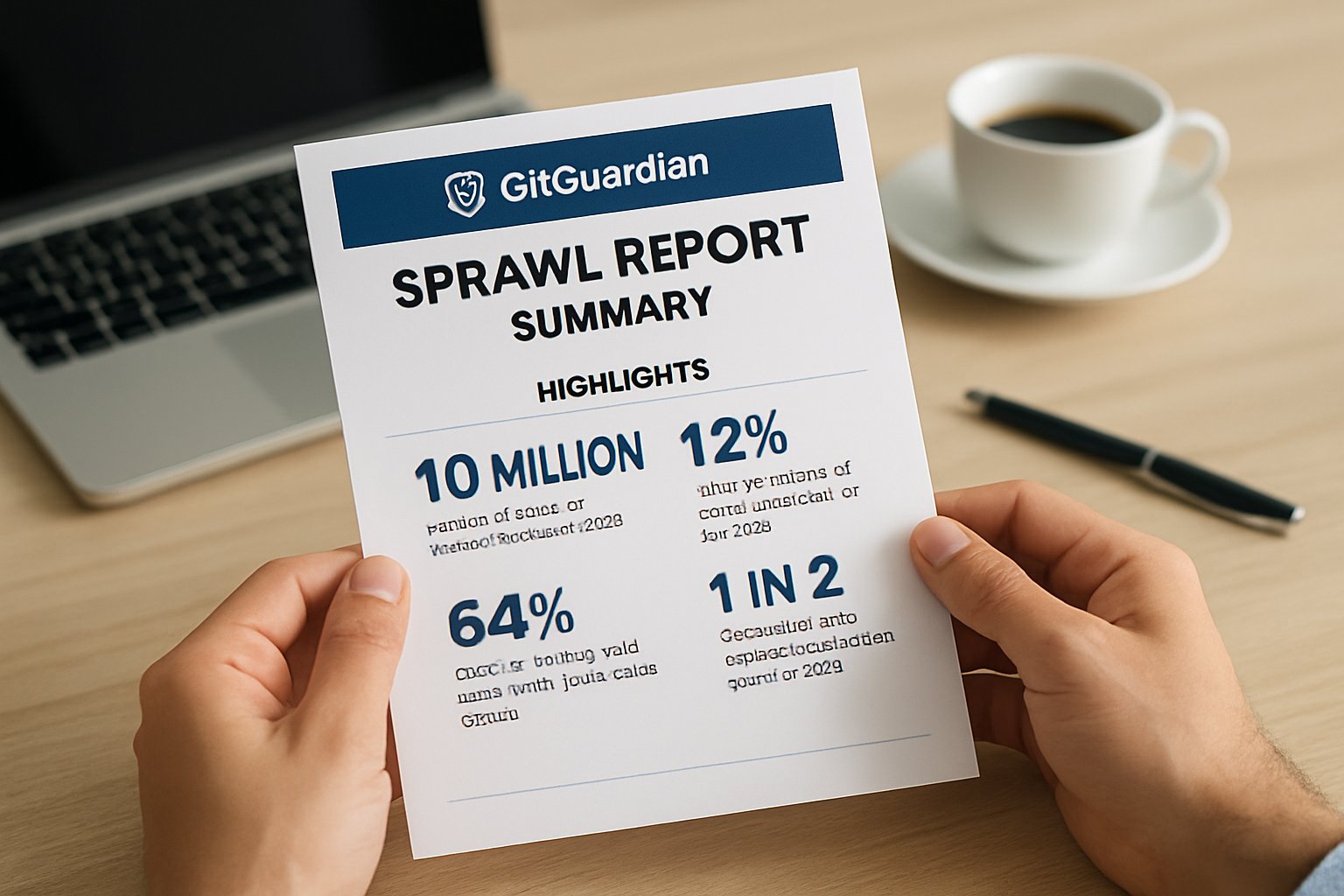
AI Leak Surge Overview
The GitGuardian Sprawl Report recorded about 29 million new secrets on GitHub in 2025. Moreover, AI-service leaks became the fastest-growing slice, hitting 1.275 million. In contrast, 2024 logged roughly 704,000.
Several forces drove the spike:
- Public commits increased 43 percent, expanding searchable attack surfaces.
- AI-assisted commits leaked secrets at twice the baseline rate.
- Model Context Protocol (MCP) configs exposed 24,008 unique tokens.
These numbers dwarf earlier benchmarks. Consequently, 1.2m exposures signal a widened path for attackers. The section highlights explosive growth. However, understanding root causes is essential for mitigation.
Those causes lead directly into emerging risk factors.
Key Leak Risk Factors
Rapid integration tops the list. Furthermore, AI agents often store local credentials for orchestration. Eric Fourrier noted that developer laptops now form a sprawling attack surface. Additionally, internal repositories hide six-times more secrets than public ones. That reality surprises many security leaders.
Collaboration platforms add hidden danger. Approximately 28 percent of incidents originated from Slack, Jira, or Confluence shares. Meanwhile, researchers found revoked keys often linger. GitGuardian verified 64 percent of secrets from 2022 remained valid in 2026. Consequently, routine audit cycles fail to keep pace.
These factors magnify the headline rise. Nevertheless, their business impact needs clear framing.
The next section explores enterprise consequences.
Impact On Enterprises Today
Hardcoded secrets grant direct system access. Therefore, leaked AI keys jeopardize intellectual property and customer data. Check Point researchers warned that long remediation windows give attackers ample time. Moreover, ransom groups increasingly monetize stolen service accounts.
Financial fallout can escalate.
- Breach investigations average 94 days, increasing response costs.
- Regulators consider fines when sensitive models face compromise.
- Brand damage worsens when security leaders cannot explain persistence.
Consequently, boards now request quarterly secret sprawl reports. Each audit cycle surfaces fresh surprises. The scale of 1.2m exposures provides stark context. However, many organizations lack visibility into internal leaks.
That visibility gap feeds persistent detection challenges, explored next.
Major Detection Gaps Persist
Most companies deploy scanners only on CI pipelines. In contrast, secrets often appear earlier, inside IDEs or chat logs. Additionally, push protection remains disabled across many projects. Meanwhile, vault adoption stalls when developers view gating as friction.
Metrics underline the gap. AI-assisted commits leaked at 3.2 percent, compared with a 1.5 percent baseline. Nevertheless, organizations rarely expand scanning beyond source code. Collaboration data, container images, and endpoint caches stay unchecked. Consequently, the GitGuardian Sprawl Report urges a broader scope.
Slow remediation compounds detection issues. Long-lived tokens persist across releases. Regular audit reviews uncover stale keys but seldom revoke them promptly. Therefore, attackers enjoy extended dwell time.
These gaps show urgent need for actionable controls. The following section outlines concrete measures.
Actionable Security Measures Today
Teams can shrink exposure quickly through layered defenses. Moreover, best practices are well documented:
- Introduce pre-commit scanners and enforce push protection by default.
- Store credentials in managed vaults with automatic rotation.
- Replace long-lived secrets with short-lived, least-privilege tokens.
- Extend scans to collaboration platforms and container registries.
- Harden MCP configurations; avoid plaintext keys.
Professionals can deepen expertise through the AI Executive Essentials™ certification. Subsequently, certified leaders drive cultural change and budget alignment.
Implementing these steps reduces 1.2m exposures figures over time. However, governance structures must reinforce technical controls.
The governance discussion follows next.
Governance And Future Outlook
Non-Human Identities now rival human accounts in volume. Consequently, inventories must treat service accounts as first-class assets. Furthermore, rotation and attestation events should feed compliance dashboards. Mature programs schedule monthly secret audits and publish findings to stakeholders.
Regulators watch closely. Moreover, proposed EU AI rules reference secure credential management. Security leaders who act early will soften regulatory shocks. In contrast, laggards may face fines and customer attrition.
Looking ahead, tooling will embed machine-learning classifiers that block sensitive strings in real time. Nevertheless, culture remains pivotal. The GitGuardian Sprawl Report predicts ongoing growth until governance matures.
These insights frame the strategic horizon. The conclusion distills key takeaways and proposes next moves.
Conclusion And Next Steps
The 2026 GitGuardian Sprawl Report documents unprecedented credential sprawl. AI-service leaks soared 81 percent, culminating in 1.2m exposures. In response, security leaders must expand scans, accelerate revocation, and embed vaults. Regular audit cycles should cover code, chats, and containers. Moreover, governance models must treat Non-Human Identities as critical assets.
Consequently, organizations that act now will limit breaches and satisfy regulators. Furthermore, professionals can boost capability through the linked certification. Take decisive steps today; protect your models, data, and brand before the next headline strikes.


