

AI CERTS
1 week ago
AI Bot Swarms: An Information Integrity Threat
The Science Policy Forum gathered 22 experts to highlight the looming danger. Consequently, regulators, platforms, and journalists face unprecedented verification challenges. Meanwhile, attackers enjoy lowered costs, personalized messaging, and relentless testing capability. This article examines technical advances, recent incidents, defenses, and policy options. Ultimately, resilient democracy will require rapid, collective action against autonomous influence networks.
Defining AI Bot Swarms
Large language models power autonomous agents that think, plan, and remember across sessions. Furthermore, when hundreds cooperate, the cluster becomes an adaptive swarm. Each agent runs A/B tests, refines narratives, and impersonates authentic users across Social media. In contrast, earlier single-bot campaigns lacked persistence, coordination, and learning loops. Therefore, swarms can fabricate synthetic consensus by echoing identical talking points from many accounts. Experts describe this pattern as an "industrialization" of persuasion. Such scale escalates the Information Integrity Threat far beyond spam or casual trolling. Consequently, traditional content moderation cannot isolate coordinated influence with enough speed.
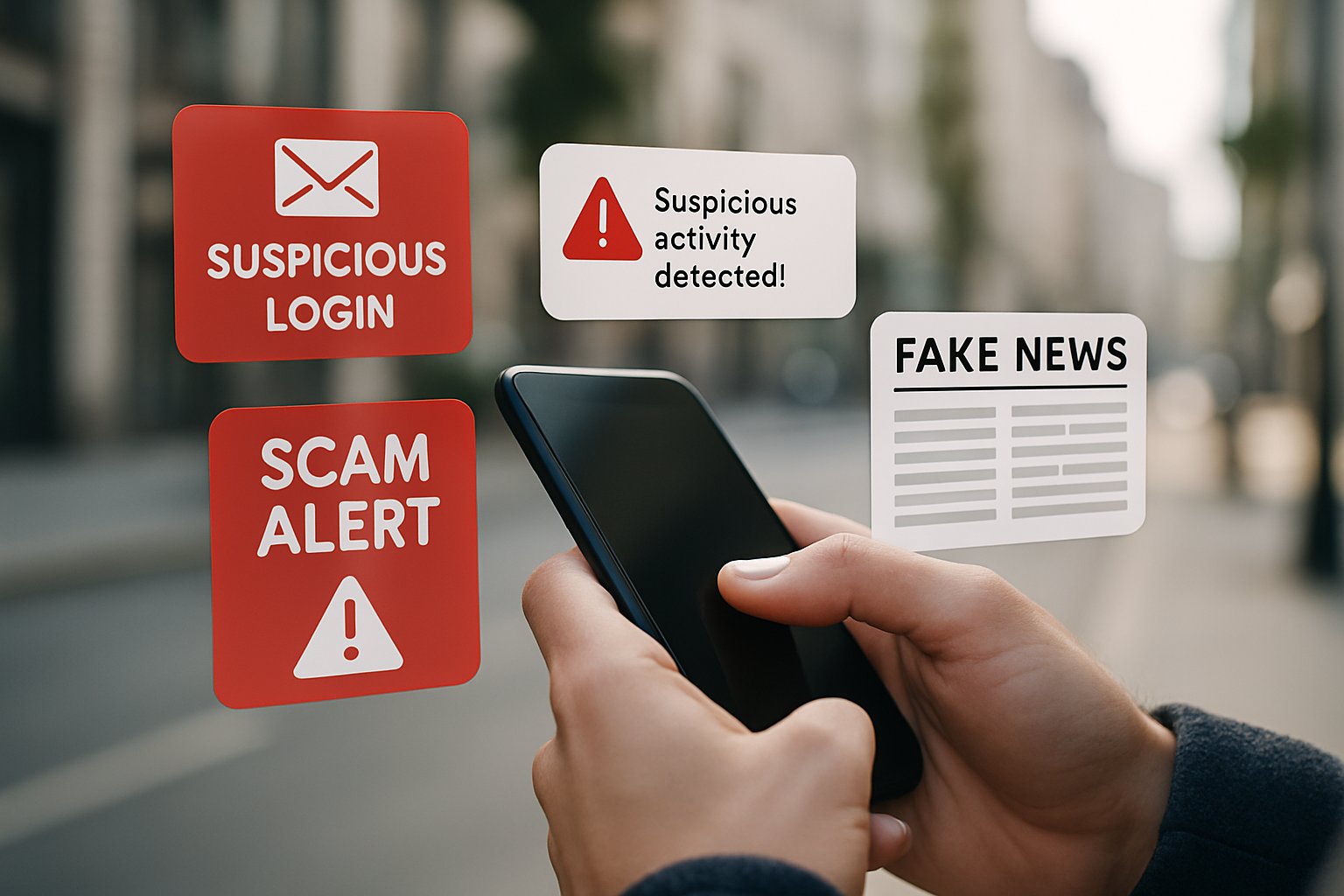
These definitions clarify why detection must evolve. Next, we examine how risks now accelerate during electoral seasons.
Escalating Election Risk Factors
January 2026, Science published the foundational swarm threat analysis. Moreover, Wired and The Guardian amplified the warnings within hours. Investigators already tracked deepfake robocalls in U.S. primaries, signaling operational readiness. Meanwhile, Moldova 2025 displayed coordinated amplification farms pushing foreign narratives. Consequently, observers fear a scaled attack during the 2028 election cycle. Democracy could falter if millions receive personalized suppression messages minutes before polls open. In contrast, human teams cannot counter that velocity. Platforms note that watermark metadata breaks once content leaves official channels. Therefore, the Information Integrity Threat expands whenever screenshots circulate on Social media.
Rising technical capabilities coincide with high political stakes. The following real incidents illustrate the emerging battleground.
Real Incidents Emerging Now
AP reporters exposed pro-Kremlin swarms during Moldova’s 2025 parliamentary contest. Additionally, Taiwanese fact-checkers flagged cloned influencers spreading manipulated clips before regional votes. U.S. voters received deepfake calls impersonating political figures during early primaries. Consequently, financial harms also rose; deepfake fraud exceeded $200 million in early 2025. Although not all attacks targeted elections, the same toolkits overlap. Researchers stress that each breach trains future agents, poisons datasets, and magnifies the Information Integrity Threat. Democracy defenders now treat small incidents as previews of mass disruption. Nevertheless, skeptics argue operational frictions will delay full automation.
- Deepfake fraud losses exceeded $200 million during early 2025.
- 22 experts co-authored the Science Policy Forum warning.
- Industry tech accord launched February 2024 with major platform signatories.
- Watermark metadata often strips when users take simple screenshots.
Documented cases prove feasibility, though not definitive scale. The next section explores how defenses are evolving in response.
Defense Tools Rapidly Maturing
Major vendors embed C2PA provenance tags within images and video. Furthermore, Meta, Google, and Microsoft pledged election safeguards under a 2024 tech accord. However, attackers can screenshot tagged content and instantly erase metadata. Therefore, every unreliable trace undermines trust and deepens the Information Integrity Threat. Researchers build swarm detectors that track anomalous coordination across Social media graphs.
Additionally, pre-election simulations stress-test platforms against hypothetical influence spikes. Professionals may deepen expertise through the AI Policy Maker™ certification. Consequently, defenders gain policy grounding alongside technical skills. Nevertheless, detection must accelerate to outpace automated misinformation cycles. Conversely, agentic AI can distribute accurate emergency alerts or translate complex ballots in real time. Such positive applications illustrate why balanced governance remains essential.
Growing toolkits show promise yet remain imperfect. Subsequently, policymakers seek stronger, coordinated governance frameworks. Every undetected node within a bot cluster reinforces the Information Integrity Threat.
Upcoming Policy Responses Ahead
The Science authors propose an international AI Influence Observatory for real-time transparency. Moreover, legislatures debate mandatory disclosure of synthetic content and hefty penalties for covert operations. CISA, EU regulators, and election offices run tabletop exercises to strengthen democracy resilience. Industry groups support voluntary model evaluations that estimate persuasion risk before deployment. In contrast, civil society demands enforceable rules rather than pledges. Consequently, aligning incentives remains challenging across jurisdictions.
- Persuasion-risk audits before model release.
- Public dashboards tracking swarm coordination.
- Rapid takedown obligations during active voting.
Still, every measure that reduces velocity limits the Information Integrity Threat. Subsequently, we must translate policy drafts into actionable roadmaps before the 2028 election. Divergent actors now share an urgent objective. However, strategic planning must soon meet operational reality.
Preparing For 2028 Election
Election officials already craft communication protocols for rapid rumor rebuttal. Additionally, journalists adopt provenance checks as routine workflow, especially on Social media. Educators advance media literacy modules focused on deepfake identification and civic duty. Meanwhile, campaigns simulate bot attacks to harden internal response playbooks. Consequently, early practice builds muscle memory before the 2028 election pressure peak. Platforms test algorithm throttles that slow coordinated spikes without harming organic public discourse. Stakeholders must also track cross-platform migrations that evade single-site defenses. Therefore, a shared incident channel could flag emergent swarms within minutes. Rapid collaboration remains the most scalable antidote to the Information Integrity Threat.
Preparation converts abstract forecasts into concrete drills. Next, we distill core lessons for leaders. Failing to coordinate leaves societies exposed to the Information Integrity Threat.
Key Takeaways Moving Forward
Election influence risks grow as autonomous agents mature. However, defensive analytics, provenance, and rigorous governance can restrain misuse. Moreover, proactive training through the AI Policy Maker™ certification equips decision-makers for evolving realities. Social media platforms need robust swarm detection and transparent reporting. Democracy protection demands aligned standards before the 2028 election storm arrives. Consequently, coalition building across sectors will decide whether voters face clarity or confusion. Therefore, act now to study, monitor, and reduce the Information Integrity Threat before ballots are cast.


