

AI CERTs
2 hours ago
AI Bias and Digital Blackface: The New Virtual Influencer Crisis
Hyperreal synthetic personas flood feeds faster than moderation teams can blink. Generative video, voice, and image models now let anyone build convincing characters in minutes. Consequently, scholars warn that an old online practice has entered a dangerous commercial stage.
The practice is called digital blackface, and it mimics Blackness without lived experience. Meta's deleted 'Liv' persona and the viral 'Bush Legend' account broadcast the threat globally. Furthermore, market analysts project virtual influencers to reach almost 46 billion dollars by 2030. That growth collides with intensifying concerns about AI Bias baked into training data and deployment pipelines. Meanwhile, Ethics watchdogs issue urgent advisories on cultural appropriation and consent. Brands still seek cheap, controllable ambassadors who never complain or unionize. This article unpacks the technology, economics, and Social Impact, then outlines responsible paths forward.
Digital Blackface Surge Today
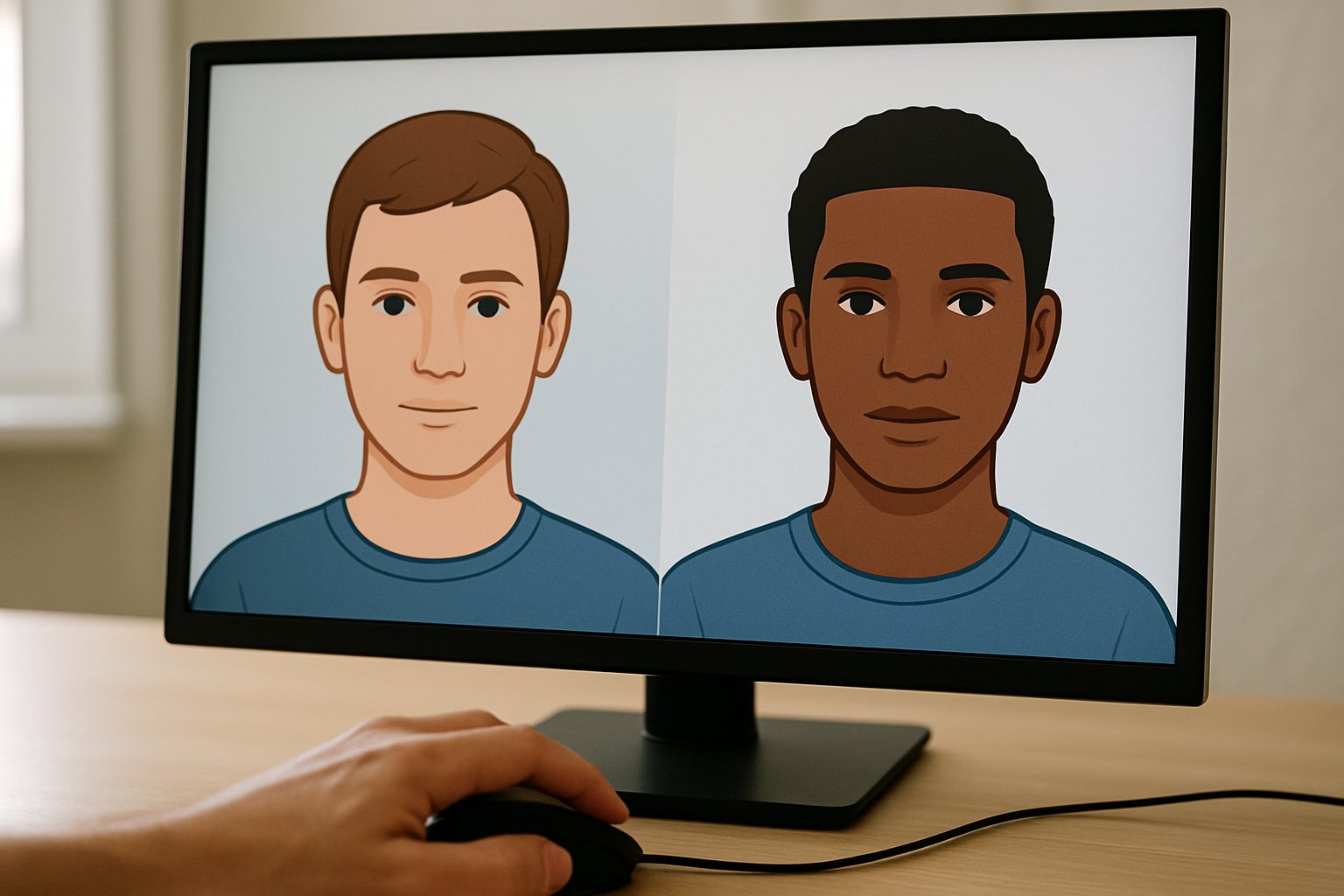
Digital blackface once referred mainly to reaction GIFs featuring exaggerated Black emotions. Moreover, algorithmic creation tools have weaponized the trend by producing entire fictitious lives. Guardian reporting from February 2026 documented a notable spike in AI-generated Black archetypes across political content.
In contrast, Meta’s 2025 removal of 28 personas showed platform leaders recognize reputational peril. Nevertheless, the deletion happened only after journalists highlighted AI Bias, sexist, and classist portrayals scripted into 'Liv'. Safiya Umoja Noble summed up the pattern, noting recycled tropes rooted in centuries of minstrelsy.
These examples prove the crisis is already visible. However, understanding toolchains explains why scale exploded.
Creation Tools Accelerate Trend
Text-to-video engines like Sora democratize cinematic visuals through simple prompts. Additionally, voice cloning startups supply convincing accents and emotional intonations drawn from scraped datasets. Training corpora often lack consent from marginalized creators, embedding AI Bias before a single prompt runs.
Runway, Midjourney, and Google models promise safety layers. However, researchers find filters focus on sexual or violent content, not nuanced Racial Stereotypes. Consequently, problematic avatars flow effortlessly to Instagram, TikTok, and X.
Tool accessibility fuels output growth at exponential rates. Therefore, financial incentives now dominate the conversation.
Market Forces And Profit
Grand View Research values the virtual influencer market at six billion dollars last year, despite mounting AI Bias concerns. Moreover, analysts project forty percent annual growth through 2030. Brands applaud predictable scheduling, limitless customisation, and zero HR complaints.
Consequently, some marketing agencies deliberately design sensational Black avatars to maximize engagement algorithms. In contrast, authentic Black creators rarely see licensing fees when their likeness guides model training.
- Lower production costs than hiring human talent.
- Always-available content responsive to trending memes.
- Data-driven persona tweaks boosting click-throughs.
- Scalable multilingual voiceovers without extra contracts.
Nevertheless, corporate enthusiasm overlooks long-term Social Impact on trust and representation.
Profit motives keep digital blackface lucrative. However, harms accumulate rapidly for targeted communities.
Harms And Community Costs
Synthetic BIPOC avatars often recycle welfare-queen or criminal tropes, intensifying AI Bias and Racial Stereotypes online. Consequently, viewers internalize distorted narratives while genuine voices fight algorithmic invisibility. Researchers link disinformation campaigns using fake Black voters to suppressed turnout in swing districts.
Meanwhile, Indigenous activists condemned the 'Bush Legend' persona for violating cultural and intellectual property. The account monetized dance trends and language snippets without community approval. Joy Buolamwini warns that emotional harm grows when people learn cherished stories came from code.
- Pervasive AI Bias reinforces colonial power imbalances.
- Mental health strain for marginalized teenagers.
- Commercial extraction without equitable royalties.
- Erosion of public trust in authentic protest footage.
Therefore, the problem spans psychological, economic, and democratic dimensions.
These harms underscore urgent reform needs. Subsequently, analysts examine why safeguards remain inconsistent.
Guardrails Lag Behind Demand
OpenAI, Google, and Meta tout watermarking, provenance metadata, and usage policies. However, implementation gaps allow adversaries to remove marks or reroute content through other generators. Platform transparency reports rarely separate abuses involving Racial Stereotypes from generic policy violations.
Moreover, opt-out systems require creators to know about obscure forms and legal jargon. Consequently, many artists never exercise their supposed rights. Meanwhile, unchecked AI Bias complicates watermark detection and misuse reporting. Regulators debate FTC truth-in-advertising rules, yet no jurisdiction targets digital blackface explicitly.
Incomplete guardrails leave communities vulnerable. In contrast, stakeholder coalitions propose multilayer governance models.
Policy Paths And Accountability
Civil society groups urge mandatory dataset audits and representative oversight boards. Additionally, scholars propose fines tied to monetized views of synthetic hate content. The EU AI Act may offer templates for risk classification, though AI Bias enforcement details remain fluid.
Meanwhile, U.S. lawmakers explore civil rights extensions covering algorithmic impersonation harms. Consequently, brands might soon need documentary evidence of consent for any synthetic persona. Legislators want dataset labels highlighting presence of Racial Stereotypes before public release.
Industry adoption could improve Ethics outcomes and reduce litigation threats.
Policy momentum is building yet uneven. Nevertheless, upskilling developers can accelerate protective design.
Responsible Development Skill Sets
Engineering teams require literacy in bias detection, cultural consultation, and participatory research. Furthermore, applied certifications close knowledge gaps faster than ad-hoc reading groups. Professionals can enhance their expertise with the AI Developer certification.
That program covers fairness metrics, interpretability, and stakeholder communication for high-impact deployments. Moreover, graduates learn to measure Social Impact and document mitigation steps for auditors. Consequently, organizations gain talent able to surface AI Bias early and align products with Ethics principles.
Skill investment turns aspiration into concrete safeguards. Therefore, culture change becomes operational and measurable.
Conclusion And Next Steps
Digital blackface now exploits affordable generative AI pipelines, eclipsing the meme era's limited reach. Market momentum, inadequate guardrails, and entrenched AI Bias converge to reproduce damaging Racial Stereotypes at scale. However, policy action, transparent datasets, and accountable design can still redirect this trajectory. Technical leaders should audit workflows, partner with affected communities, and champion enforceable Ethics standards. Consequently, organizations that invest in inclusive skills and certifications will shape a healthier Social Impact landscape. Start today by reviewing development pipelines and pursuing the accredited training linked above.


