

AI CERTs
2 hours ago
AI Amplifies Identity Theft With Synthetic Fraud Surge
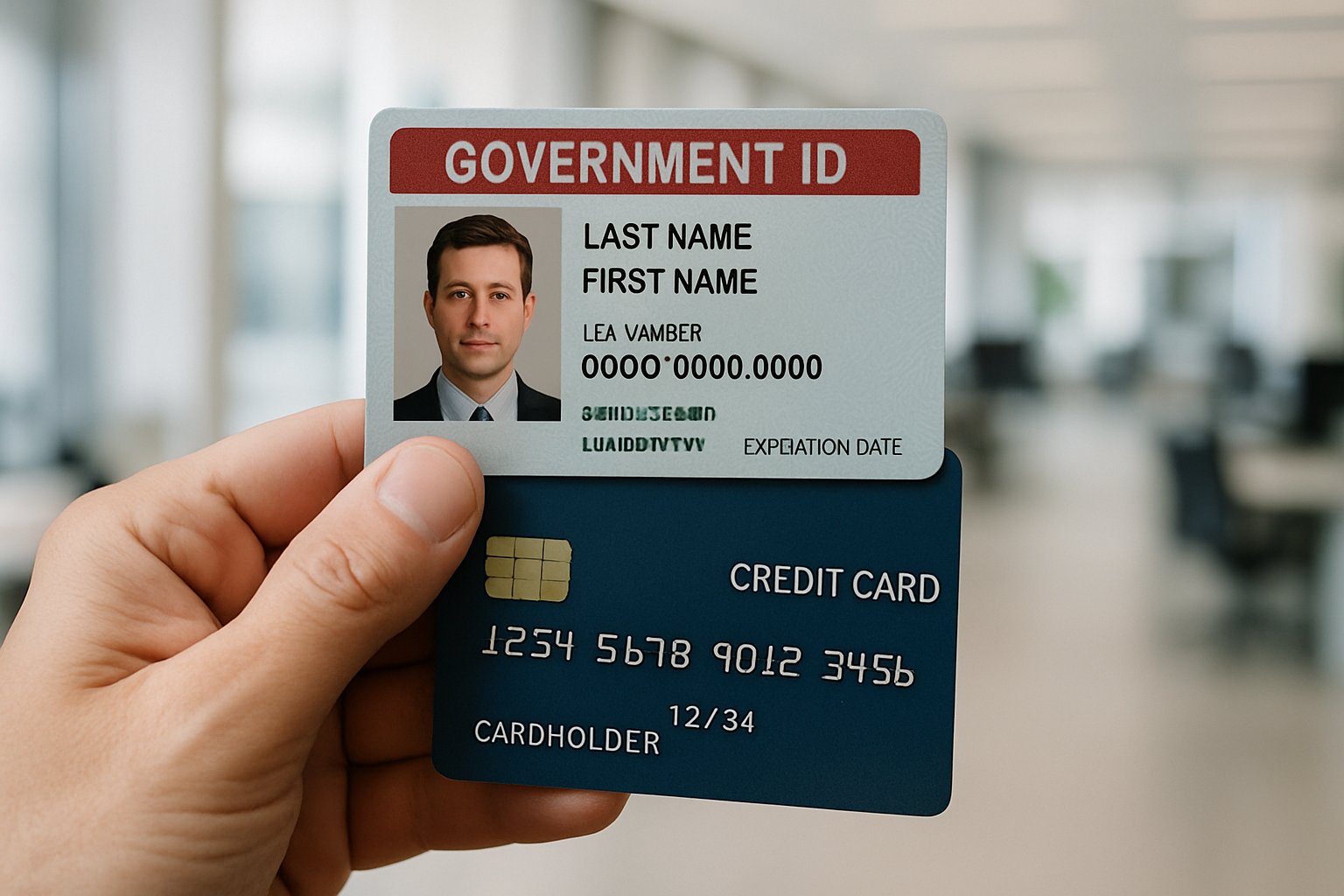
Generative AI just rewrote fraud playbooks. Across finance, e-commerce, and healthcare, attackers now manufacture entire customer personas within minutes. Consequently, verification teams confront a wave of deepfake videos, cloned voices, and counterfeit paperwork. The surge has escalated Identity Theft from a chronic annoyance to a systemic business hazard. Moreover, industry datasets show triple-digit growth in synthetic accounts during 2025 alone. Sumsub measured a 311% jump in synthetic-ID document attacks in North America year over year. Meanwhile, TransUnion estimated $3.3 billion in exposure for United States lenders. These numbers underscore a simple truth: AI has democratized professional-grade Forgery. Therefore, executives must reassess risk models, staff training, and technology roadmaps immediately. The following report dissects the crisis, quantifies losses, and outlines emerging defenses.
Crisis Overview And Scale
Industry watchers describe 2025 as the year synthetic fraud went mainstream. Furthermore, accessible image and voice generators removed technical barriers for low-skill criminals. In contrast, compliance budgets grew incrementally, leaving detection gaps. The imbalance widened opportunities for Identity Theft rings operating across borders.
- Sumsub: deepfake fraud rose 1,100% between Q1 2024 and Q1 2025.
- Synthetic identity Documents attacks climbed 311% in North America over the same period.
- TransUnion recorded $3.3 billion credit exposure tied to synthetic profiles in 2024.
- Alloy survey: 67% of fraud leads reported higher attack volumes in 2025.
- 91% of respondents blamed AI tools for amplified Identity Theft incidents.
Collectively, these figures chart an exponential threat trajectory. However, understanding what fuels that trajectory is equally critical; the next section explores those drivers.
AI Tools Fuel Surge
Cheap diffusion models now fabricate high-resolution passports, driving Forgery kits under $50. Additionally, large language models craft persuasive onboarding answers that bypass rule-based checks. Fraud-as-a-Service marketplaces bundle those assets with leaked Security tokens and stolen Social numbers. Consequently, novices can scale Identity Theft operations without deep technical knowledge.
Deepfake video has also pushed digital Impersonation to unprecedented realism. Moreover, voice clones defeat call-center liveness prompts in under 30 seconds. Analysts warn that each blocked vector spawns new variants, sustaining Identity Theft momentum.
Off-the-shelf innovation has become the criminal growth engine. In contrast, financial losses materialize most clearly on bank ledgers, which the next section quantifies.
Cost To Institutions Mount
Balance sheets reveal the real damage. TransUnion pegged synthetic credit exposure at $3.3 billion for 2024 alone. Furthermore, industry aggregates place total United States Identity Theft fraud near $35 billion annually. Those funds could finance 400 mid-size community banks for a year.
- Higher loan loss reserves reduce capital available for growth initiatives.
- Regulatory scrutiny intensifies, raising ongoing Security compliance costs.
- Customer onboarding friction grows as more Documents checks trigger manual reviews.
- Brand erosion occurs when Impersonation scams hit media headlines.
Collectively, these ripple effects threaten profitability across financial services. However, defenders are upgrading toolkits; the following section maps those advances.
Detection Tactics Evolve Rapidly
Data scientists now combine device fingerprints, behavioral biometrics, and public-record linkages. Subsequently, anomaly models flag profiles lacking vehicle registration or known relatives. Vendors report 30% to 50% accuracy gains when multi-signal approaches converge. Nevertheless, high-quality deepfakes still bypass human reviewers in most Identity Theft workflows.
Liveness challenges ask users to move, speak, and blink before cameras. Additionally, cryptographic watermarks help separate authentic Documents from AI fabrications. Yet attackers answer with real-time Impersonation loops that stream synthetic video during verification. Therefore, defenders treat Forgery detection as an arms race rather than a project with an end.
The cat-and-mouse dynamic shows no sign of slowing. Consequently, policymakers and industry alliances are stepping in, as detailed next.
Policy And Collaboration Imperatives
Regulators now frame synthetic fraud as a systemic stability risk. In October, the Federal Reserve urged cross-institution data sharing to curb Identity Theft onboarding losses. Moreover, draft guidelines propose registries of confirmed synthetic profiles indexed by public identifiers. Industry groups back the idea but demand clear privacy and Security safeguards.
European proposals focus on restricting AI models that generate official Documents by default. Nevertheless, critics argue that open-source diffusion checkpoints will remain available, sustaining global Forgery supply. Therefore, collaboration between platforms, banks, and law enforcement remains the practical path forward.
Policy momentum is building, yet skills gaps persist among operational teams. The next section explains how professionals can upskill quickly.
Upskill For Proactive Defense
Effective defense demands multidisciplinary talent spanning fraud analytics, AI, and compliance. Consequently, professionals eye credentials that validate both technical depth and governance insight. Practitioners can enhance expertise with the AI Ethical Hacker™ certification. The program covers adversarial testing, deepfake spotting, and Identity Theft incident response.
Additionally, organizations should embed continuous training within Security operations centers. Rotating staff through simulated Forgery and Impersonation drills builds response muscle memory. Meanwhile, shared playbooks help reduce false positives and customer friction.
Upskilling ensures human expertise keeps pace with algorithmic adversaries. Finally, the conclusion distills the most urgent takeaways.
Final Thoughts Take Action
Synthetic fraud driven by AI now reshapes financial risk landscapes. Moreover, escalating Identity Theft losses, soaring Forgery volumes, and sophisticated Impersonation attacks challenge every compliance team. Consequently, institutions must pair layered detection, policy collaboration, and continuous education to stay viable. The data shows multi-signal analytics already improve Security outcomes, yet skilled practitioners remain essential. Therefore, invest in specialized programs like the AI Ethical Hacker™ certification and embed agile response drills across functions. Act now, safeguard your customers, and convert fraud resilience into competitive advantage.


