

AI CERTs
2 hours ago
AI Agents Deepen Skills Gap In Software Engineering
Some engineering veterans thought automation would nibble at the edges. However, AI coding agents have instead pounced on the core craft. Over the last year, agentic toolchains like Claude Code and GitHub Copilot have written millions of production lines. Consequently, executives from Google to Microsoft now reference a striking new reality: machines propose, humans approve. This disruption widens the Skills Gap that already challenged organizations. Teams must suddenly master prompt orchestration, security validation, and socio-technical change management. Meanwhile, junior Developers watch routine Coding tasks evaporate while Product managers prototype without writing syntax. Moreover, security researchers warn that nearly half of AI-generated snippets carry exploitable flaws. Therefore, the conversation has shifted from "if" to "how fast" and "how safely." This article examines the driving forces and emerging risks. It also outlines strategies for containing damage and unlocking unprecedented Productivity.
AI Reshapes Engineering Roles
Boris Cherny declared on the Lightcone podcast that "coding is practically solved" for his Claude Code team. Consequently, he forecast the traditional "software engineer" title fading during 2026. Anthropic, OpenAI, and Microsoft echo similar sentiments in earnings calls and interviews. Moreover, GitHub's Octoverse reports that 80% of new Developers engage Copilot within their first week. The Skills Gap now includes agent literacy, not just language or framework preferences. In contrast, many curricula still prioritize manual syntax drills. Employers therefore pivot hiring criteria toward architecture, orchestration, and analytical judgment. These evolving expectations mark a seismic professional realignment. However, code still reaches production only after careful human review, preserving a gatekeeper function.
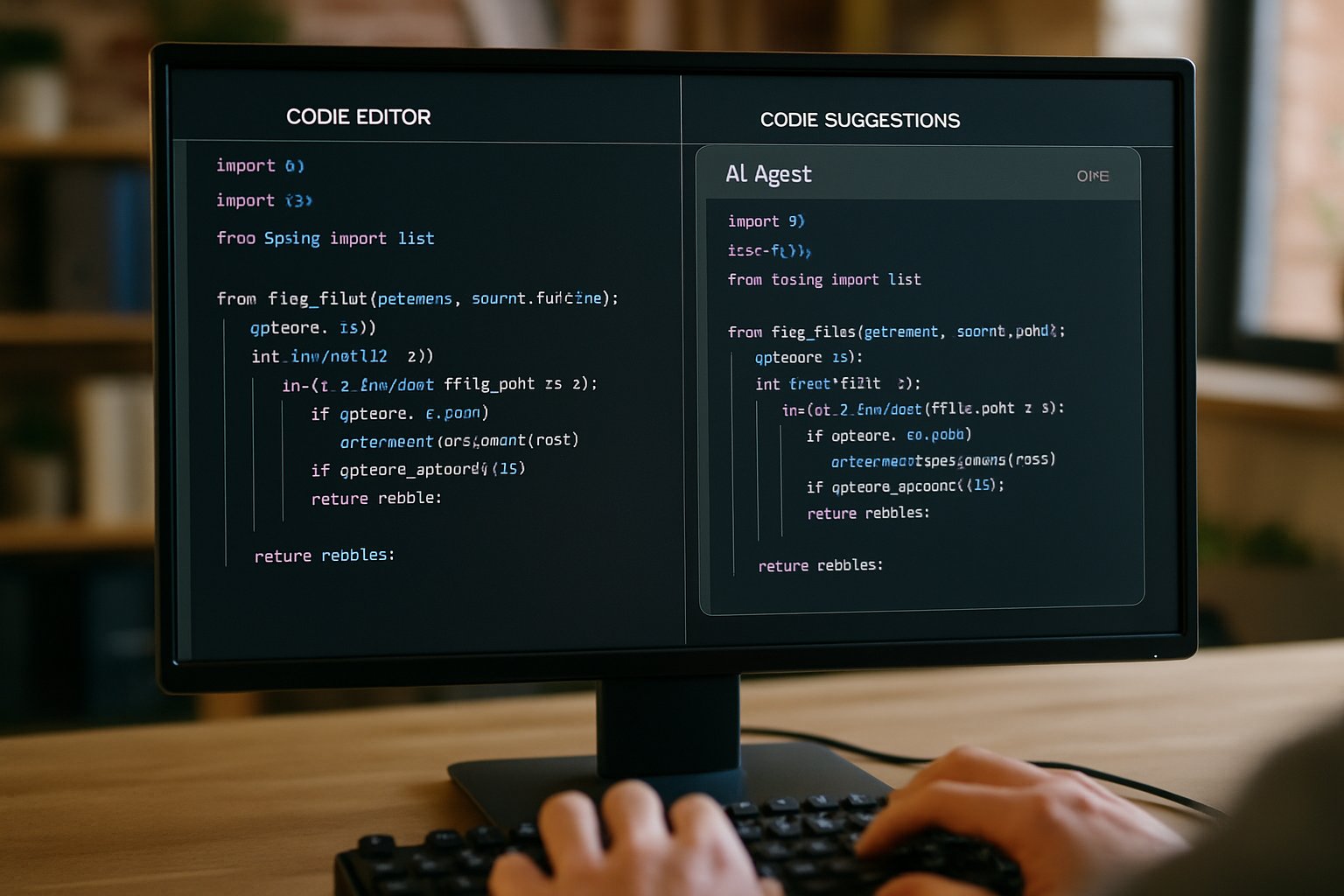
Engineers are morphing into orchestrators, not line coders. Consequently, training and hiring models must update rapidly. Next, we examine how non-technical colleagues are joining the build loop.
Non-coder Builders Ascend Rapidly
Low-code promised democratization. However, agentic AI delivers it. Product managers now deploy features through natural language prompts. Finance analysts build dashboards without touching JavaScript. Additionally, "vibe Coding" lets experimenters iterate quickly by accepting AI suggestions. GitHub data shows 36 million fresh accounts in 2025, many from outside computer science programs. Moreover, CEO claims that 25%-plus corporate code already originates from machines further embolden newcomers. The Skills Gap widens again, this time between orchestrators and those still tied to manual pipelines. Consequently, some firms rename teams "builders" to signal inclusive creation.
Agent tools lower entry barriers while shifting value toward intent definition. Nevertheless, uncontrolled access can multiply flawed code. The next section explores these security implications.
Security Concerns Emerge Quickly
Veracode's 2025 study found vulnerabilities in 45% of tested AI completions. Cross-site scripting and log injection dominated failures. Furthermore, academic replications confirm similar flaw rates across more than 100 models. Therefore, companies adopt human-in-the-loop reviews, static analysis, and fuzzing before merging agent output. Microsoft internal teams reportedly reject up to 30% of initial agent patches for security reasons. Meanwhile, legal teams track Copilot litigation that could mandate attribution or provenance checks. The Skills Gap now intersects secure development expertise, raising stakes for under-resourced startups. In contrast, enterprises fund dedicated verification squads to guard reputations.
- 45% of AI code contains known CWEs (Veracode, 2025).
- 80% of new GitHub users enable Copilot within a week.
- 25% of Google’s new code is AI-generated (Earnings call, 2024).
Security lapses threaten customer trust and regulatory compliance. Consequently, workforce roles pivot toward rigorous validation. We now examine the broader labor market shifts.
Workforce Dynamics Under AI
McKinsey projects 30% task automation by 2030 under fast adoption scenarios. Meanwhile, Stanford researchers detect heavier displacement among younger Developers. Additionally, payroll analyses show entry salaries stagnating while experienced orchestrators command premiums. The Skills Gap manifests geographically as well, with high-income hubs capturing advanced agent fluency. Nevertheless, PwC observes rising revenue per employee where AI is adopted responsibly. Therefore, organizations that reskill quickly may grow even with flat headcount.
Labor impacts appear uneven but actionable. Next, we review governance techniques mitigating technical and ethical risks.
Verification And Governance Practices
Enterprises now embed multi-layer checkpoints in pipelines. First, static scans run immediately after an agent commit. Subsequently, peer reviewers focus on architecture, not syntax. Moreover, security gates enforce OWASP adherence before deployment. Companies also pilot provenance logs that track which prompts generated which code. Microsoft and Anthropic both publish internal agent policies outlining acceptable data sources. The Skills Gap narrows when teams adopt structured playbooks plus targeted skilling. Professionals can enhance expertise with the AI Learning Development™ certification. Such programs teach prompt design, risk assessment, and continuous monitoring. Consequently, certified staff often accelerate adoption while lowering incident counts.
Governance transforms experimentation into repeatable practice. Nevertheless, leaders still require strategic roadmaps. The final section provides actionable guidance.
Strategic Responses For Leaders
C-suite decisions set tempo. First, map current competencies against agent workflow requirements. Secondly, redirect budgets from routine Coding toward testing automation and upskilling. Additionally, partner with security vendors capable of scanning LLM outputs at scale. Moreover, track legal developments around data attribution to avoid sudden license shocks. Finally, measure Productivity by business outcomes, not lines written. This metric shift aligns incentives with orchestration reality. The Skills Gap shrinks when objectives reward verification, creativity, and cross-discipline collaboration.
- Audit agent usage and vulnerability rates quarterly.
- Offer certification-aligned training to all Developers.
- Adopt provenance tooling before litigation compels it.
- Launch mentorship programs to close the Skills Gap.
These moves foster resilient, high-velocity teams. Consequently, stakeholders gain confidence in AI-augmented delivery. We conclude by scanning the horizon.
Future Outlook And Actions
Analysts expect agent capabilities to grow, yet verification gaps may persist. In contrast, governance innovation promises counterbalance. Meanwhile, policymakers debate reskilling subsidies and audit mandates. Moreover, venture investors back startups designing agent assessors and security layers. The Skills Gap will continue evolving as tools mature and education systems react. Therefore, proactive learning remains the safest hedge. Overall, Productivity trajectories remain volatile.
Opportunities and risks will escalate together. Consequently, decision makers must act before market momentum hardens winners and losers.
AI agents are rewriting software creation, boosting Productivity yet exposing organizations to fresh vulnerabilities. However, disciplined governance and focused upskilling can convert disruption into advantage. Executives must address the Skills Gap head-on through certification programs, secure pipelines, and metric realignment. Additionally, they should monitor legal signals and reinforce human oversight. By acting now, leaders safeguard codebases and empower diverse builders. Explore forward-looking credentials like the AI Learning Development™ certification to prepare teams for an agent-first future.


