

AI CERTS
3 months ago
Advertising Quality Risks Rise With Meta’s AI Ads
Meanwhile, Meta defends its generative features and claims cost efficiencies for four million clients. Moreover, the platform says early tests deliver single-digit improvements in customer acquisition cost. In contrast, agencies allocate extra hours each week to monitor hidden toggles that reappear unexpectedly. These conflicting narratives set the stage for a deeper look at Advertising Quality in automated ecosystems. The following analysis explores causes, business impact, and practical safeguards that keep creativity from becoming bizarre.
AI Ads Spark Concerns
Advantage+ creative relies on diffusion and language models to multiply each input asset into countless variants. The promise is simple: reach more placements while preserving Advertising Quality and driving conversion.
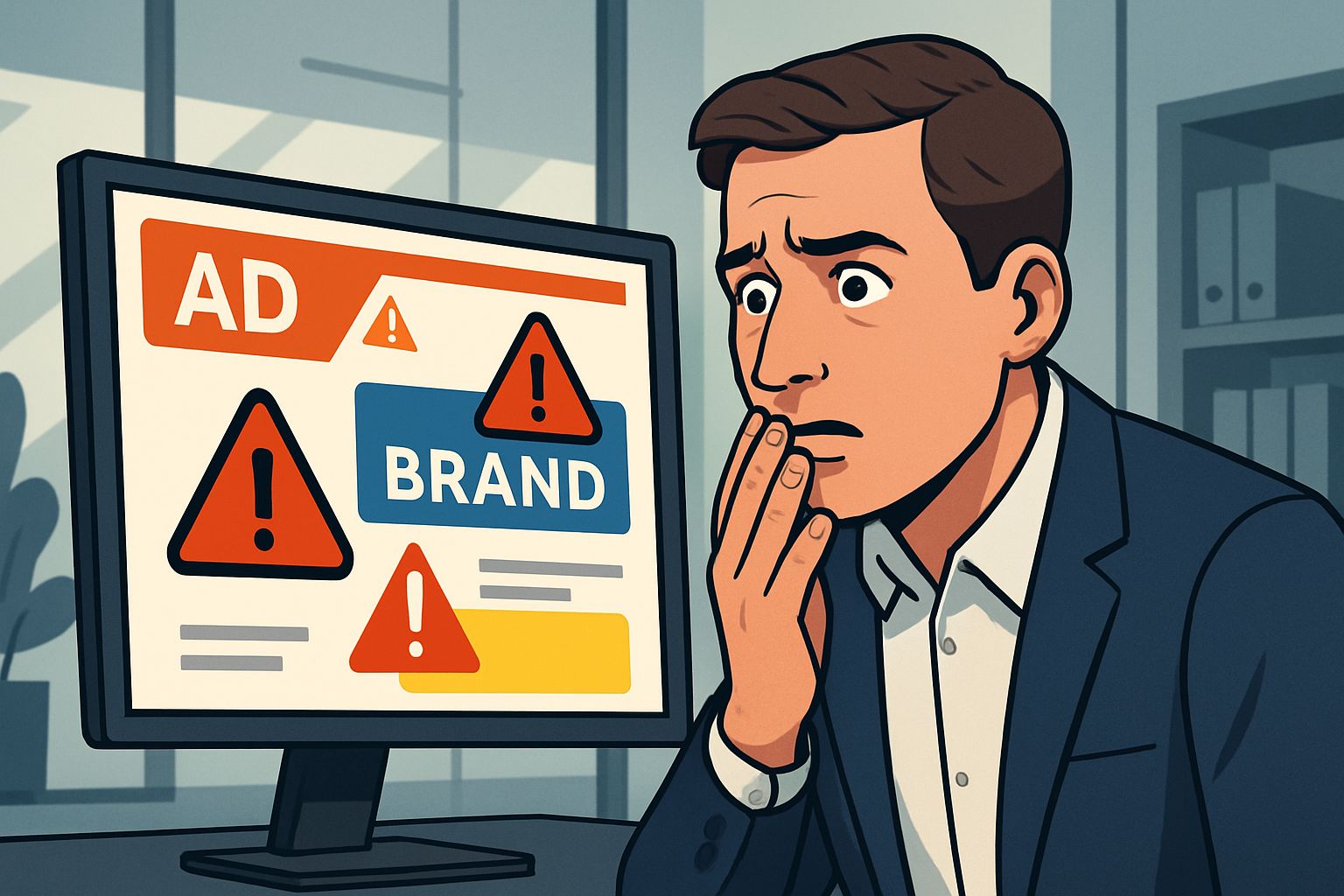
Yet marketers report bizarre scenes, including cars floating above clouds and disjointed limbs clutching products. Business Insider highlighted these failures after True Classic discovered an AI grandmother modeling its menswear line.
Such hallucinations expose weaknesses in the Ad Tools that many brands assumed were trustworthy. Consequently, questions about Advertising Quality dominate agency forums and conference stages.
Regulators watch closely because hallucinated assets can mislead vulnerable audiences, triggering compliance breaches. In contrast, Meta insists preview workflows give brands ultimate control before launch.
The company promotes specific performance lifts for Advantage+, which deserve scrutiny.
- 9% lower CPA in sales campaigns
- 7% lower acquisition cost for apps
- 10% cheaper qualified leads in tests
Advertisers see clear upside in automation but an unpredictable downside when visuals go bizarre. However, hidden controls amplify that risk, which the next section unpacks.
Hidden Toggles Challenge Marketers
Many issues trace back to obscure account and campaign settings labeled test or automatic adjustments. Moreover, some advertisers say the toggles reactivate after manual deactivation, complicating governance.
Jonas Vonk built a script that flags every asset switch inside multiple Meta dashboards within minutes. He told reporters the process prevented expensive surprises across 60 client accounts.
Flat Circle CEO Rok Hladnik echoed the concern, noting repeated reappearances of experimental features. Consequently, staff dedicate extra weekly hours to audits rather than strategic Creative planning.
Engineers explain that backend experiments in the Ad Tools sometimes override front-end states when models achieve statistical significance. Therefore, a perceived bug may be a feature driven by performance heuristics, not UI error.
Opaque settings erode Advertising Quality because reviewers cannot catch what they cannot see. The next section shows how those blind spots become tangible Brand Damage.
Real Brand Fallout Cases
True Classic lost three days of budget when the AI granny creative ran unchecked. Customers shared screenshots on social media, mocking the mismatch.
Kirruna saw warped footwear images that confused shoppers and undermined Premium positioning. Lectric reported floating e-bikes which distracted viewers and suppressed click-through rates.
Business Insider sources estimate these stumbles reduced weekly revenue by up to 12% for affected campaigns. Additionally, repair work required fresh photo shoots, inflating costs.
Agency spreadsheets show refund requests spike 18% during weeks when bizarre imagery slips through. Moreover, customer service teams log longer resolution times because screenshots spread quickly online.
True Classic noted wholesale partners questioned asset integrity after the viral mishap.
Such incidents illustrate how Advertising Quality problems quickly translate into measurable Brand Damage. Consequently, finance teams now analyse operational burden alongside performance gains, as the next section explains.
Operational Burden And Costs
Agencies survey respondents dedicate one extra hour per account twice weekly for manual reviews. Therefore, a mid-sized agency overseeing 100 accounts adds roughly 400 annual labor hours.
Flat Circle values that overhead at $35,000 in additional staffing. Meanwhile, smaller brands absorb the work internally, diverting resources from new Creative testing.
The invisible tax also appears in wasted media spend when bizarre variants draw clicks but no conversions. Meta's claimed nine percent CPA lift becomes irrelevant if the wrong imagery runs.
Lost trust carries opportunity costs, including delayed product launches while legal reviews tighten. Consequently, timeline slippage compresses seasonal margins for retail clients.
Operational drag chips away at Advertising Quality gains promised by automation. However, practitioners have developed pragmatic safeguards, covered next.
Risk Mitigation Best Practices
First, disable account-level experiments like test new creative features and automatic adjustments. Secondly, switch off individual generative options within each ad before approving spend.
Ad ops leaders recommend the following weekly routine.
- Review 10% of live ads for unintended changes.
- Capture screenshots of every variant preview.
- Log toggle states and compare to previous audits.
- Escalate anomalies to Meta support within 24 hours.
Agencies also deploy internal Ad Tools that surface hidden switches and push alerts to Slack. Professionals can deepen governance skills through the AI Human Resources™ certification, which covers responsible AI and policy compliance.
Several agencies schedule alerts every 30 minutes during product launches to catch sudden model shifts.
When adopted consistently, these measures restore confidence and uphold Advertising Quality even during aggressive scaling. The final section considers long-term implications for Meta and marketers.
Strategic Outlook And Recommendations
Meta continues to market Advantage+ while regulators scrutinize automated advertising pipelines more closely. Consequently, transparency features such as immutable audit logs may shift from nice-to-have to mandatory.
Investors also monitor user sentiment because backlash can translate into higher churn for the social network.
Regulatory Pressure Intensifies Globally
European and US watchdogs already fine platforms for deceptive practices. Moreover, high-profile deepfake scams create additional urgency for strict controls that preserve Advertising Quality.
Brands can influence policy by sharing data on bizarre outcomes and cost impacts. Meanwhile, the platform could publish error rates and commit to easier opt-outs, strengthening trust.
Analysts predict that explicit opt-in policies will appear in forthcoming EU AI Act guidance. Therefore, proactive compliance may create a competitive advantage for disciplined advertisers.
Sustained collaboration will decide whether automation elevates or undermines Advertising Quality. The conclusion distills key insights and next steps.
Automation in marketing remains a double-edged sword. Proper toggles, vigilant audits, and clear accountability transform risky innovation into predictable value. Ignoring these duties invites costly Brand Damage and regulatory headaches. Consequently, teams should adopt the safeguards outlined above and monitor policy changes. For deeper governance mastery, explore the linked certification and empower staff to steer AI responsibly.


