

AI CERTS
2 hours ago
Advertising Ethics Crisis: UK Regulator Slams Meta’s Casino Ads
Regulators and tech giants rarely clash so publicly. However, the dispute over illegal casino advertising has reached a boiling point. On 19 January 2026 the UK Gambling Commission accused Meta of hosting unlicensed gambling promotions. Tim Miller, executive director, said the platform was "turning a blind eye" to blatant violations. Consequently, industry observers view the confrontation as a pivotal test of Advertising Ethics.
The allegation centres on "Not on GamStop" ads that target self-excluded British players. Meanwhile, Reuters investigations suggest scam ads generate sizable revenue for the platform. These findings amplify pressure on lawmakers, advertisers, and compliance teams. Furthermore, investors are watching potential regulatory fallout closely. This article unpacks the evidence, responses, and broader implications for responsible advertising.
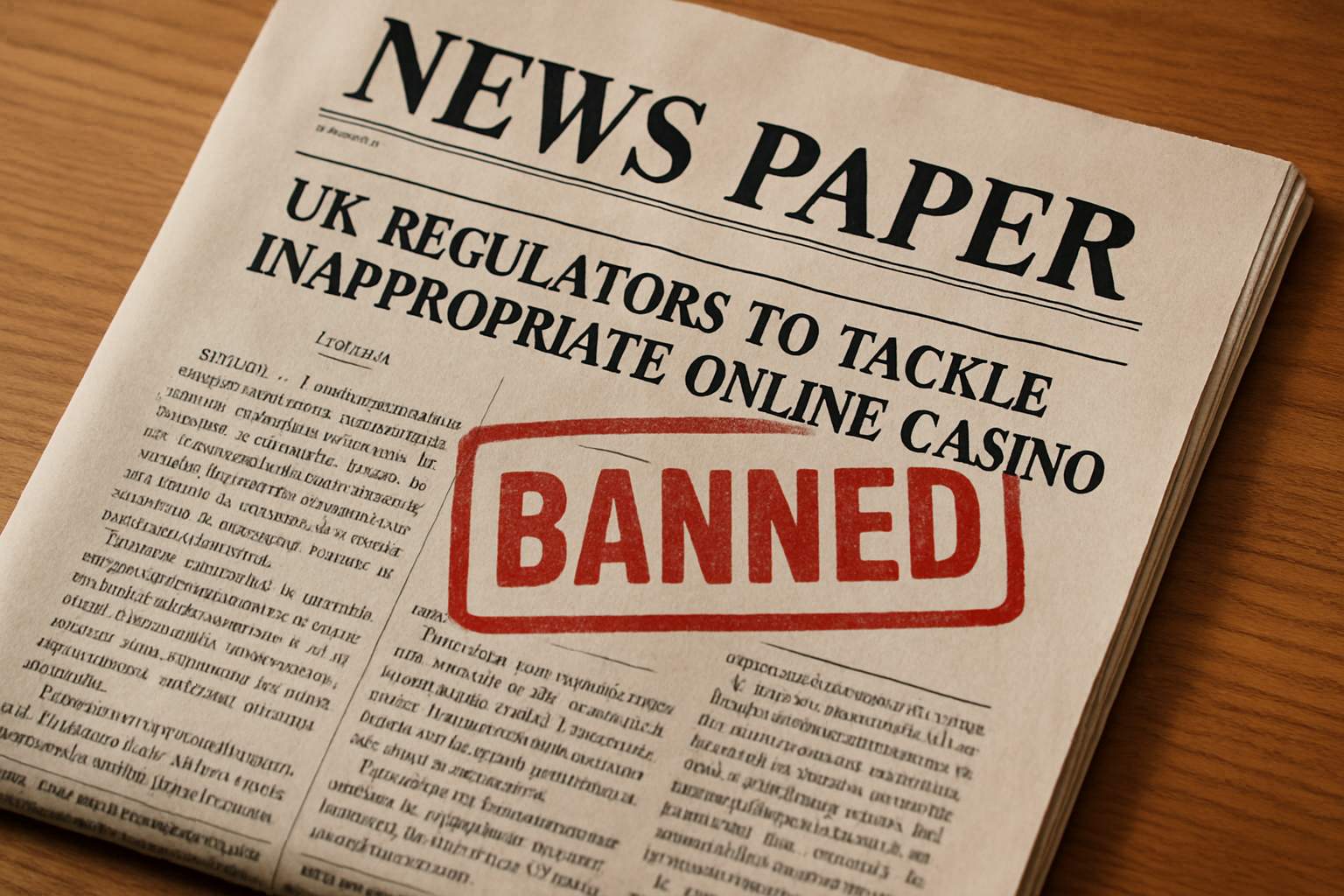
Regulator Raises Serious Alarm
Evidence gathered by the UK Gambling Commission paints a stark picture. During ICE Barcelona, Miller revealed 592 cease-and-desist notices issued since April 2025. Additionally, regulators reported 327,964 URLs to search engines, leading to 203,571 removals. In contrast, hundreds of "Not on GamStop" creatives remained visible in Meta’s Ad Library that same morning. Miller stated, "If we can find them then so can Meta." Therefore, the watchdog argues that proactive platform filters are insufficient. Advertising Ethics is, according to Miller, impossible when distribution channels ignore clear red flags. Moreover, the Commission warned that new Crime and Policing Bill powers may compel site blocking. These warnings underscore escalating regulatory resolve. Consequently, platform liability debates are moving from theory to practice.
The enforcement data signals impatience with voluntary change. Next, we examine the scale of illicit ads that fuel regulator frustration.
Scale Of Illicit Ads
Quantifying the problem demands hard numbers. Reuters obtained internal Meta documents estimating about 15 billion high-risk scam ads daily in December 2024. Moreover, roughly 10% of 2024 revenue—about $16 billion—allegedly stemmed from prohibited promotions. Meta has publicly disputed specific calculations yet not the broad classification of higher-risk Ads. Additionally, automated tools reportedly require 95% confidence before auto bans, allowing dubious campaigns to run.
Consequently, many operators accept elevated "penalty bid" prices rather than removal. Advertising Ethics advocates argue this approach monetizes harmful content. The UK Gambling Commission referenced these statistics during ICE Barcelona to justify tougher rhetoric. Meanwhile, self-excluded gamblers continue seeing enticing casino Ads across Facebook and Instagram. These volumes highlight the challenge ahead. Therefore, understanding the platform’s defence becomes essential.
The sheer scale magnifies regulatory urgency. We now review the company’s public response and operational constraints.
Meta Response And Limits
Meta claims it enforces strict gambling policies. However, Miller rejected that assurance as inadequate. The company tells reporters that violative campaigns are removed once identified. Furthermore, engineers are refining keyword blocks, machine learning models, and advertiser verification. Andy Stone emphasized ongoing cooperation with the UK Gambling Commission. Nevertheless, engagement has produced "very limited progress," according to Miller. Advertising Ethics critics insist voluntary efforts lack measurable targets. In contrast, regulators expect proactive elimination of unlicensed operators before impressions occur. Subsequently, calls for transparent KPIs have intensified. The platform has not yet published country-specific takedown figures. Consequently, skepticism persists among policymakers.
Platform statements offer intent but scarce evidence. Next, privacy concerns add another layer to the debate.
Broader Online Privacy Concerns
Illegal advertising rarely operates alone. The Guardian revealed 52 of 150 UK gambling sites leaked user data via Meta Pixel before consent. Moreover, leaked events triggered retargeting Ads within hours. Wolfie Christl called the practice a "blatant disregard" for privacy law. Subsequently, the ICO launched an inquiry into tracking pixels across sensitive sectors. Advertising Ethics demands respect for user autonomy alongside truthful messaging. In contrast, data leakage amplifies vulnerability among self-excluded individuals. Furthermore, platform profiles may be enriched with gambling behaviour, deepening potential harm. Therefore, regulators see privacy and gambling safety as intertwined challenges. These overlapping issues pressure both publishers and platforms.
Privacy violations worsen the advertising compliance gap. Industry reactions to that gap reveal shifting alliances.
Industry And Policy Reactions
Licensed operators face competitive undercutting by offshore sites. Consequently, trade bodies like the Betting & Gaming Council support tougher enforcement. However, supply-chain audits remain patchy, and some affiliates still promote unregulated venues. Moreover, Miller urged suppliers to make collaboration with illegal brands commercially toxic. Parliament responded by allocating £26 million over three years to bolster Commission resources. Additionally, the forthcoming Crime and Policing Bill proposes rapid domain suspension powers. Advertising Ethics scholars see these moves as signals of escalating platform accountability. Meanwhile, investor analysts weigh reputational risks against ad revenue growth. UK Gambling Commission briefings circulate widely among ESG research teams. Therefore, corporate boards feel mounting pressure to demonstrate ethical ad governance.
Policy trends point toward hard obligations, not voluntary pledges. Practical steps for compliance now take centre stage.
Practical Compliance Action Steps
Organisations seeking risk mitigation can act immediately. Firstly, audit creative libraries for disallowed terms such as "Not on GamStop." Secondly, implement pre-flight checks that flag landing pages lacking UK licences. Moreover, strengthen pixel governance by blocking data until explicit consent. Teams should log every override to ensure traceability. Furthermore, adopt independent certification frameworks to benchmark controls. Professionals can enhance their expertise with the AI Executive Essentials™ certification. Advertising Ethics guidance recommends embedding refusal clauses in media buying contracts. Additionally, demand detailed violation reporting from partners, including the platform. The following checklist summarises immediate priorities.
- Keyword and licence audits
- Real-time landing page scanning
- Strict pixel consent gating
- Contractual breach penalties
- Transparent violation dashboards
These measures close obvious loopholes quickly. Outlook considerations now deserve attention.
Outlook And Next Moves
Momentum for stricter oversight shows no sign of slowing. Moreover, cross-border collaboration between regulators is expanding. The platform may soon face country-specific transparency mandates regarding gambling Ads. In parallel, privacy authorities could levy fines for unlawful data transfers. Advertising Ethics will dominate boardroom agendas as enforcement intensifies. Additionally, investors incorporating ESG metrics will scrutinise advertising supply chains. Consequently, forward-looking brands should treat ethical compliance as a growth enabler, not a cost. The coming year will reveal whether voluntary reforms can satisfy regulators. Nevertheless, legislative mechanisms now exist to compel action if promises falter. Therefore, proactive adaptation appears the safer path.
Future developments will pivot on verifiable metrics. The conclusion distils the key lessons and next steps.
Regulators, platforms, and advertisers now confront a shared accountability moment. However, data shows voluntary filters alone cannot guarantee lawful Ads. Advertising Ethics therefore demands clear metrics, transparent reporting, and enforceable contracts. Moreover, privacy safeguards must advance in parallel with ad controls.
Platform leaders and industry partners who lead on these fronts will reduce legal exposure and build trust. Consequently, professionals should operationalise the action steps outlined above without delay. Advertising Ethics is no longer optional; it is a competitive differentiator. Explore the linked certification to deepen skills and drive responsible growth today.


