

AI CERTS
5 hours ago
Agentic Rise Of Autonomous Security Hardware
Meanwhile, new modules retrofit lines already cabled for power over Ethernet at the edge. Furthermore, early pilots show firearm detection, audible warnings, and rapid escalation when threats emerge. However, privacy advocates and analysts caution that autonomy introduces fresh governance and liability risks. This article examines the technology, market numbers, benefits, and challenges driving the next wave of secured infrastructure.
Autonomous Security Hardware Shift
Historically, surveillance cameras delivered images to monitoring rooms. Subsequently, operators interpreted threats and phoned responders. RAD argues that delay wastes precious seconds. Therefore, it inserts agentic AI at the edge using the RAM accessory and RADCam Enterprise. Both units run SARA locally, analyze video, and decide whether to speak or strobe. Moreover, they support firearm detection and contextual escalation without human clicks.
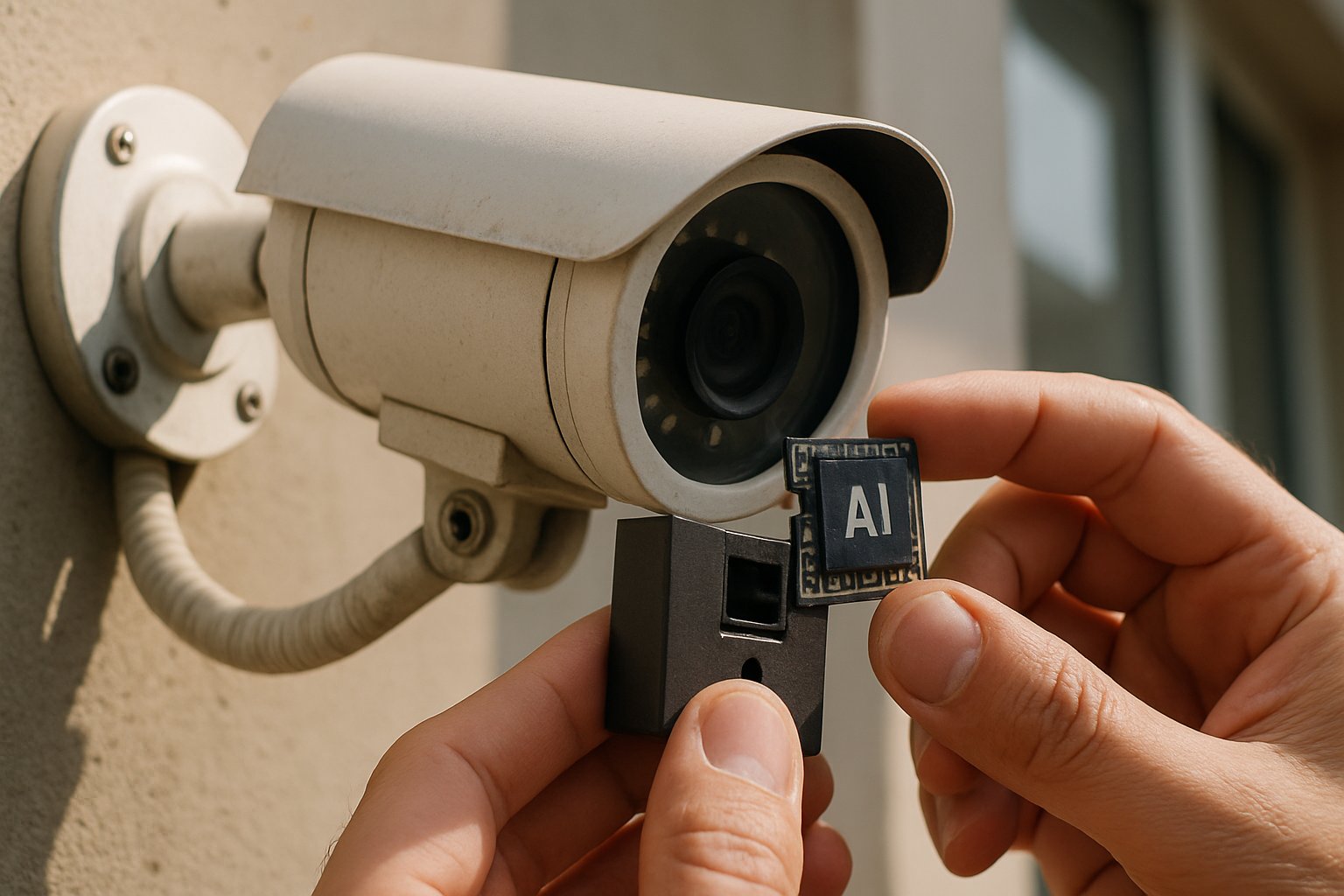
Steve Reinharz summarizes the gap simply. According to him, security fails when devices cannot act. Autonomous Security Hardware addresses that weakness by coupling sensors, analytics, and audio emitters in one housing. Consequently, integrators retrofit existing IP cameras rather than rip and replace. Costs fall while capabilities rise.
We can see a clear momentum toward active deterrence. However, understanding the addressable market quantifies that momentum.
Market Opportunity Metrics Overview
Independent reports estimate hundreds of millions of surveillance cameras worldwide. Meanwhile, RAD focuses on tens of millions of indoor PoE units across the United States. Furthermore, AITX disclosed SARA contracts covering over 2,000 video channels within one expansion.
Market research firm Technavio projects multi-billion dollar growth for smart security solutions through 2030. Consequently, integrators seek retrofit paths that preserve cabling investments. Autonomous Security Hardware sits at that intersection of savings and new value.
- USD 14-16B current global camera market size (multiple sources, 2025).
- Up to 1B installed surveillance cameras worldwide.
- 80% of automation adopters cite privacy and governance as top concerns.
These numbers illustrate huge potential and unresolved trust issues. Therefore, reviewing the underlying technology clarifies feasibility.
Key Technology Components Explained
At the core sits agentic AI, an architecture where models plan and act. RAD’s SARA embodies the concept for physical security. Additionally, RAM mounts between power and network lines, adding microphones, speakers, lights, and compute. RADCam Enterprise integrates those pieces within the camera itself.
Edge inference reduces cloud latency and bandwidth fees. Moreover, SARA tiers span Lite, Edge, and Assist, covering device, on-prem, and operator consoles. Detection modules include firearm, intrusion, and loitering patterns. Consequently, voice prompts trigger escalation workflows that alert guards, dispatchers, or police dashboards.
The stack blends perception, planning, and response within small enclosures. In contrast, legacy analytics merely watch and notify. Understanding benefits helps assess business cases.
Deployment Benefits And Costs
Enterprises cite several gains from the retrofit route. Firstly, RAM converts existing infrastructure within minutes. Secondly, automated talk-downs deter trespassers before theft occurs. Thirdly, subscription models shift capital expense into operating budgets.
Moreover, independent pilots report lower guard callouts and faster incident closure. RAD claims up to 60% cost reduction compared with manned monitoring.
Edge processing keeps footage local, easing bandwidth and privacy burdens. Meanwhile, high accuracy detection lessens nuisance alerts and supports measured escalation.
Cost, speed, and deterrence drive early demand. Nevertheless, risks require equal attention. The next section dissects those risks.
Risk Governance Privacy Issues
Privacy advocates, including Meredith Whittaker, warn about constant recording and automated speech. Furthermore, agentic systems widen attack surfaces through tokens and chained privileges. False positives could produce wrongful escalation or police deployments.
Regulators now tighten procurement rules, demanding code transparency and secure supply chains. Additionally, Gartner recommends phased rollouts, strong audit trails, and human oversight checkpoints. Therefore, buyers should request independent testing, privacy impact assessments, and SOC2 reports.
Autonomous Security Hardware must demonstrate reliability and respect for local regulations.
Governance concerns will influence adoption speed. However, structured procurement processes can balance innovation and safety. Selecting solutions involves practical steps.
Buying Autonomous Security Hardware
Decision makers should map current camera inventories and network capacities. Subsequently, they can pilot RAM on a limited corridor or parking area. Moreover, contracts should define alert thresholds, retention periods, and audit access. Consequently, leaders should allocate resources for model tuning and periodic revalidation.
Professionals can enhance their expertise with the AI Marketing Specialist™ certification, which covers governance and ROI analysis for emerging security platforms.
Structured pilots and skilled teams lower rollout risk. Therefore, future outlook matters. The final section looks ahead.
Future Outlook And Actions
RAD plans broader firearm detection support for third-party cameras in 2026. Meanwhile, police departments like Taylor, Michigan monitor pilot results before scaling citywide.
Analysts expect market consolidation as legacy vendors embed agentic capabilities or partner with RAD. Autonomous Security Hardware will become baseline across critical infrastructure within five years.
Nevertheless, transparent audits, privacy safeguards, and resilient cybersecurity must accompany every deployment. Consequently, executives should monitor evolving regulations and independent evaluations.
Momentum appears strong, yet oversight remains necessary. Therefore, a balanced strategy should guide next investments.
In summary, agentic AI is shifting physical security from passive watching to active intervention. RAD’s retrofit modules, talking cameras, and SARA software illustrate the promise and the controversy. Moreover, market data signals expansive opportunity, while governance requirements demand diligence. Nevertheless, organizations that test deliberately, document controls, and train their teams can capture significant value. Consequently, readers should evaluate pilots, study emerging standards, and pursue relevant credentials to stay ahead.


